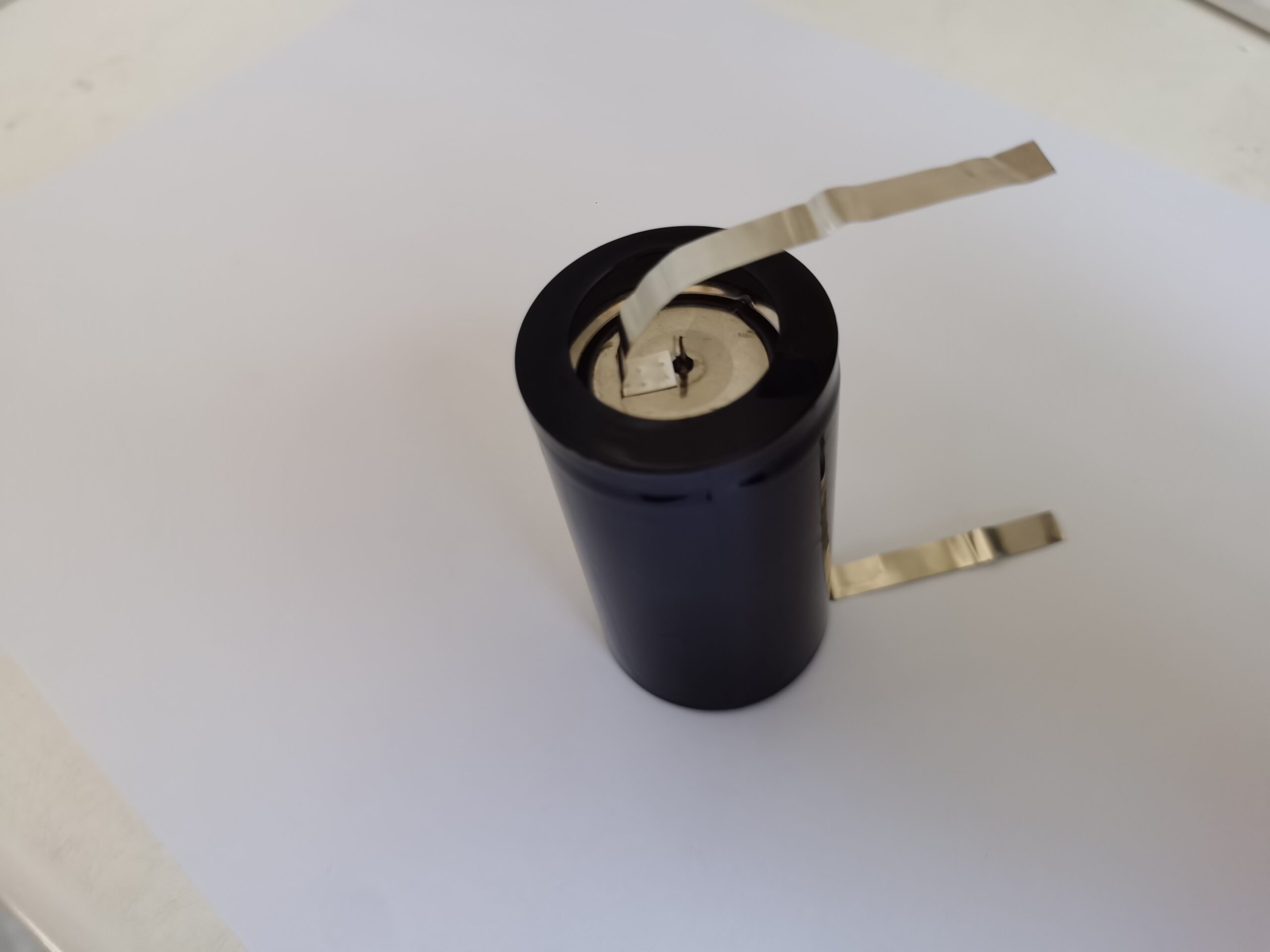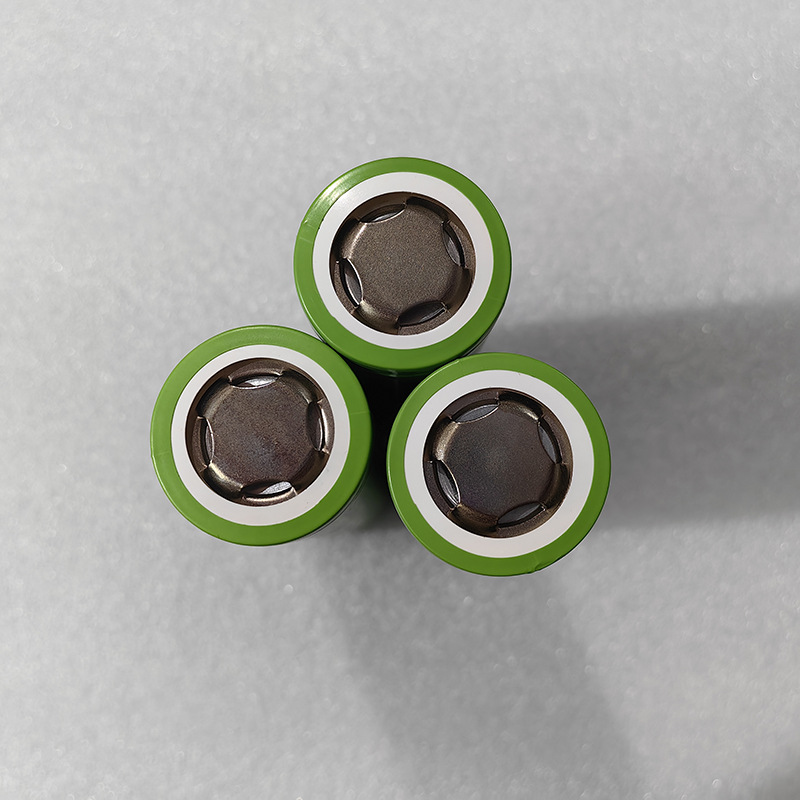

Saft LS33600 3.6V D Size Li-SOCl₂ Battery Replacement: Technical Analysis & Sourcing Guide
In the industrial battery sector, the Saft LS33600 is a benchmark for high-reliability primary lithium applications. As a 3.6V D Size Lithium Thionyl Chloride (Li-SOCl₂) battery, it powers critical infrastructure ranging from AMR/AMI smart meters to oil & gas telemetry systems. However, supply chain volatility and obsolescence planning often force engineers and procurement managers to seek compatible replacements.
As a professional lithium battery manufacturer, CNS Battery provides a technical deep dive into the specifications, safety protocols, and sourcing strategies for replacing the Saft LS33600. This guide focuses on maintaining system integrity while ensuring a seamless transition to alternative solutions.
Understanding the Saft LS33600: Core Specifications
Before seeking a replacement, it is crucial to understand the specific electrochemical profile of the Saft LS33600. This is not a standard alkaline cell; it is a specialized energy source designed for extreme environments.
Key Technical Parameters:
- Chemistry: Lithium Thionyl Chloride (Li-SOCl₂)
- Nominal Voltage: 3.6V
- Capacity: 19,000 mAh (Typical)
- Dimensions: Diameter 34.2mm x Height 61.5mm (Standard “D” Size)
- Operating Temperature: -55°C to +85°C
- Self-Discharge Rate: <1% per year
Technical Note on Voltage Delay:
A critical characteristic of Li-SOCl₂ chemistry is the “voltage delay.” Unlike Lithium Manganese Dioxide (Li-MnO₂) cells, which provide immediate voltage, Li-SOCl₂ cells require a brief period to reach full voltage after a high load is applied due to passivation. Engineers must ensure the replacement cell matches this characteristic or that the host device has a low-resistance path to maintain voltage stability.
Why Seek a Saft LS33600 Alternative?
While Saft batteries are renowned for quality, there are valid technical and logistical reasons to consider alternatives:
- Supply Chain Resilience: Diversifying suppliers mitigates risks associated with single-source components.
- Cost Optimization: In high-volume deployments (e.g., utility metering), alternative high-quality manufacturers can offer significant Total Cost of Ownership (TCO) savings without sacrificing performance.
- Long-Term Availability: Ensuring the battery chemistry and format will be available for the projected lifecycle of the device (often 10-20 years for primary lithium applications).
Technical Criteria for Replacement
When evaluating a replacement, simply matching the “D Size” dimension is insufficient. You must validate the following parameters to avoid system failure:
- Pulse Capability: The Saft LS33600 is rated for specific pulse loads. Verify the replacement cell can handle the peak current (I_max) of your application without significant voltage drop.
- Welding Specifications: The positive and negative terminals must be compatible with automated assembly processes (e.g., resistance welding parameters).
- Hermetic Seal: Primary lithium cells must maintain a hermetic seal for decades. Ensure the replacement utilizes laser welding or equivalent robust sealing technology.
CNS Battery: Your Source for 3.6V Li-SOCl₂ Solutions
CNS Battery specializes in high-energy primary lithium systems. For applications requiring a Saft LS33600 equivalent, we offer custom-engineered solutions that match the rigorous standards of the original while providing the flexibility needed for modern procurement.
Our engineering team focuses on delivering cells that meet the exact voltage, capacity, and dimensional requirements of the 3.6V D Size format. We understand that in primary battery applications, reliability is non-negotiable.
If you are currently facing lead time issues or require a second-source verification for your 3.6V Li-SOCl₂ needs, we recommend reviewing our technical datasheets.
For immediate engineering support or to request a sample for testing, please visit our Product Center or contact our technical sales team directly.
Safety & Handling Precautions
Handling primary lithium cells requires strict adherence to safety protocols:
- Do Not Recharge: Li-SOCl₂ cells are primary (non-rechargeable) batteries. Attempting to recharge them will result in explosion.
- Avoid High Current Discharge: These cells are designed for low-to-moderate drain applications. Short-circuiting or connecting to a load exceeding the specified current can cause thermal runaway.
- Terminal Protection: Always use insulating caps during storage and transport to prevent accidental shorting.
Conclusion
Finding a suitable Saft LS33600 replacement requires a deep understanding of lithium thionyl chloride chemistry and the specific demands of your application. By focusing on technical specifications rather than brand names alone, you can secure a reliable, long-term power solution.
For OEMs and system integrators looking to validate an alternative 3.6V D Size battery, CNS Battery provides the technical documentation and engineering support necessary for a smooth transition.
To discuss your specific requirements with a battery expert, please Contact Us today.