
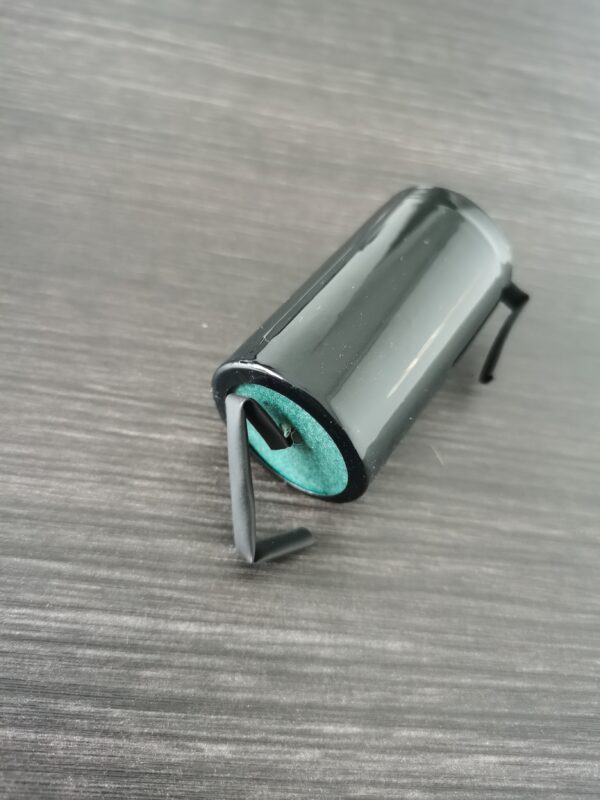
Saft LS26500 Li-SOCl₂ Battery Alternative for Emergency Beacons
Emergency beacons—including EPIRBs (Emergency Position Indicating Radio Beacons), PLBs (Personal Locator Beacons), and ELTs (Emergency Locator Transmitters)—demand power sources that deliver exceptional reliability over extended periods. The Saft LS26500 lithium thionyl chloride (Li-SOCl₂) battery has long been a reference standard in this critical application space. However, procurement challenges, supply chain volatility, and regional compliance requirements have driven B2B buyers to seek qualified alternatives. This article examines the technical specifications of the LS26500, explores Li-SOCl₂ chemistry fundamentals, and outlines key considerations for selecting replacement batteries in emergency beacon systems across North America, Europe, and Asia-Pacific markets.
Understanding Li-SOCl₂ Battery Technology
Lithium thionyl chloride batteries represent the highest energy density primary lithium chemistry commercially available today, achieving up to 590 Wh/kg and 1100 Wh/L. The electrochemical reaction follows: 4Li + 2SOCl₂ → 4LiCl + S + SO₂. In this system, lithium serves as the anode, carbon as the cathode current collector, and thionyl chloride functions as both cathode active material and electrolyte solvent with LiAlCl₄ as the supporting salt.
Three characteristics make Li-SOCl₂ ideal for emergency beacons:
- Ultra-Low Self-Discharge: Annual self-discharge rates below 1% enable 10+ year shelf life, critical for safety devices that may remain dormant for years before activation.
- Wide Operating Temperature Range: Performance remains stable from -55°C to +85°C, ensuring functionality in extreme maritime, aviation, and wilderness environments.
- High Voltage Platform: Nominal 3.6V operating voltage reduces the number of cells required in series configurations, simplifying battery pack design.
Saft LS26500 Specifications and Application Requirements
The Saft LS26500 is a C-size cylindrical cell with the following key parameters:
- Dimensions: 26.5mm diameter × 50.5mm height
- Nominal Capacity: 7,600 mAh (at low discharge rates)
- Nominal Voltage: 3.6V
- Weight: Approximately 50.7g
- Maximum Continuous Current: Typically 100-150 mA (pulse capability varies by design)
Emergency beacon applications impose unique demands beyond standard specifications. EPIRBs and PLBs must transmit high-power RF bursts (typically 5W at 406 MHz) for minimum 24 hours at -20°C per COSPAS-SARSAT standards. This requires batteries capable of delivering substantial pulse currents without excessive voltage depression—a phenomenon known as “voltage delay” inherent to Li-SOCl₂ chemistry due to passivation layer formation on the lithium anode.
Key Considerations for Alternative Selection
When evaluating LS26500 alternatives, B2B purchasers should prioritize:
1. Pulse Power Capability
Standard bobbin-type Li-SOCl₂ cells exhibit limited pulse performance. Hybrid designs incorporating spiral-wound construction or integrated pulse capacitors (HPC technology) provide superior burst current delivery essential for beacon transmission cycles.
2. Regulatory Compliance
Regional certifications vary significantly:
- North America: UL 1642, UN 38.3 transportation certification
- European Union: CE marking, REACH compliance, battery directive 2006/66/EC
- Asia-Pacific: PSE (Japan), KC (Korea), GB standards (China)
3. Long-Term Supply Security
Multi-source qualification strategies mitigate supply chain risk. Establishing relationships with manufacturers maintaining consistent production capacity across multiple geographic regions ensures continuity for safety-critical applications.
4. Quality Assurance Protocols
ISO 9001 certification, traceability systems, and batch testing documentation are non-negotiable for emergency equipment manufacturers. Request comprehensive quality reports including capacity distribution, impedance matching, and accelerated aging data.
Geo-Specific Market Considerations
United States & Canada: Coast Guard approval (for marine EPIRBs) and FAA TSO certification (for aviation ELTs) require documented battery qualification testing. Domestic manufacturing preferences under Buy American Act provisions may influence procurement decisions.
European Economic Area: Battery Passport requirements under new EU Battery Regulation (EU) 2023/1542 mandate carbon footprint declarations and recycled content disclosure by 2027. Early compliance preparation provides competitive advantage.
Asia-Pacific Region: Maritime Safety Agency (Japan) and AMSA (Australia) maintain specific beacon registration databases requiring compatible battery documentation. Local warehousing reduces lead times for regional distributors.
CNS BATTERY: Your Trusted Li-SOCl₂ Partner
CNS BATTERY offers comprehensive primary lithium battery solutions engineered for emergency beacon applications. Our ER26500-series Li-SOCl₂ cells provide direct compatibility with LS26500 specifications while delivering enhanced pulse performance through advanced electrode design and electrolyte optimization.
Key Advantages:
- UN 38.3, CE, and RoHS certified for global market access
- Capacity tolerance within ±3% ensuring consistent pack performance
- 10-year warranty with full traceability documentation
- Flexible MOQ supporting both prototype development and volume production
- Technical support team with emergency beacon application expertise
Our manufacturing facilities maintain ISO 9001:2015 certification with automated production lines ensuring batch-to-batch consistency. For B2B customers requiring custom specifications—including modified terminals, wire harnesses, or pack configurations—our engineering team provides rapid prototyping services with 4-week turnaround.
Conclusion
Selecting a Saft LS26500 alternative for emergency beacons requires careful evaluation of technical specifications, regulatory compliance, and supply chain reliability. Li-SOCl₂ chemistry remains the optimal choice for these mission-critical applications, but not all manufacturers deliver equivalent performance. Partner with suppliers who understand emergency beacon requirements, maintain relevant certifications, and demonstrate commitment to long-term supply security.
For detailed product specifications, certification documentation, or custom battery pack inquiries, visit our primary battery product page or contact our technical sales team for personalized support across North American, European, and Asia-Pacific markets.
