
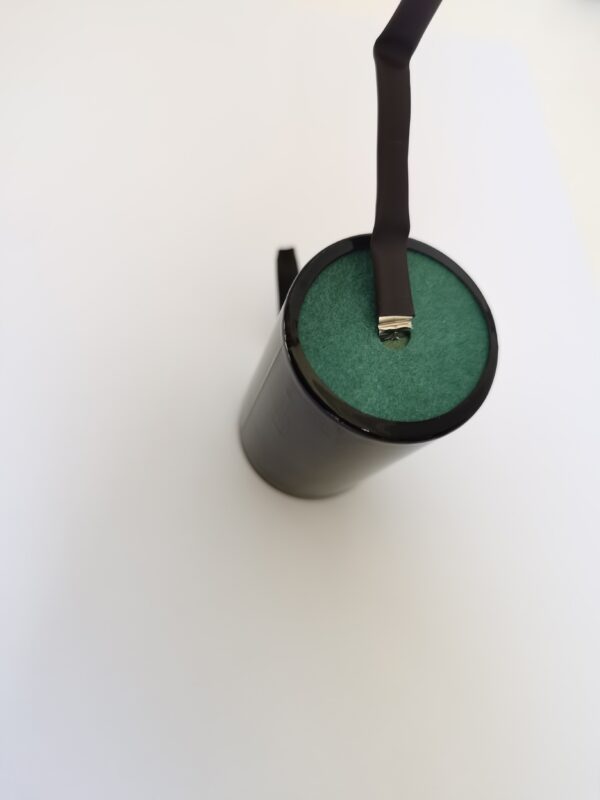
Saft LS26500 Li-SOCl₂ Battery Alternative for Emergency Lighting
In the realm of critical safety infrastructure, emergency lighting systems demand power sources that guarantee reliability above all else. For decades, the Saft LS26500 has served as an industry benchmark for C-size lithium thionyl chloride (Li-SOCl₂) cells in these applications. However, as global supply chains evolve and cost-efficiency becomes paramount for large-scale deployments, engineering teams and technical purchasers are increasingly seeking validated alternatives. This article provides a professional technical analysis of the LS26500 specifications and outlines the critical criteria for selecting a high-performance substitute without compromising safety or longevity.
Understanding the Li-SOCl₂ Chemistry in Emergency Lighting
Lithium thionyl chloride (Li-SOCl₂) chemistry is the preferred choice for emergency lighting due to its exceptional energy density and ultra-low self-discharge rate. Unlike alkaline or Ni-Cd solutions, Li-SOCl₂ cells operate at a nominal voltage of 3.6V and utilize a bobbin-type construction for standard capacity models. This structure minimizes internal leakage, allowing the battery to retain over 90% of its capacity after 10 years of storage at ambient temperature.
For emergency lighting, which often remains in standby mode for years before activation, this shelf life is critical. The Saft LS26500 typically offers a capacity range between 7.7Ah to 9.0Ah, depending on the specific sub-model and discharge rate. When evaluating alternatives, engineers must prioritize cells that maintain this energy density while adhering to strict IEC 60086-4 safety standards.
Key Technical Parameters for Alternative Selection
Replacing a legacy component like the LS26500 requires more than just matching dimensions. Technical purchasers must verify the following parameters to ensure system compatibility:
1. Capacity and Discharge Profiles
The standard ER26500 form factor (C-size) must deliver consistent voltage under load. Emergency lighting LED drivers often require a stable voltage plateau throughout the discharge cycle. High-quality alternatives should guarantee a minimum capacity of 8.5Ah at a standard discharge current (e.g., 0.5mA to 100mA). It is essential to review the discharge curve to ensure the cutoff voltage aligns with your lighting controller’s low-battery detection threshold.
2. Temperature Performance
Emergency lighting systems are frequently installed in unconditioned spaces such as stairwells, warehouses, or outdoor exits. A robust Li-SOCl₂ alternative must operate reliably across a wide temperature range, typically from -55°C to +85°C. Performance degradation at extreme temperatures should be minimal, ensuring the battery can deliver rated capacity even in freezing conditions.
3. Safety and Certifications
Compliance is non-negotiable. Any alternative cell must carry relevant safety certifications, including UL, CE, IEC62133, and transportation compliance like UN38.3. For hazardous location lighting, ATEX or IECEx certification may also be required. Ensuring the manufacturer provides full traceability and test reports is a key step in the vendor qualification process.
Supply Chain Stability and Cost Efficiency
From a B2B procurement perspective, reliance on a single brand can introduce risk. Diversifying the supply chain with a qualified second source mitigates production delays. However, cost reductions should never come at the expense of quality. Lower-priced cells often suffer from higher self-discharge rates or inconsistent voltage performance, leading to increased maintenance costs and potential safety liabilities.
Engineers should seek manufacturers who specialize in primary lithium technology and offer long-term warranty support. The total cost of ownership (TCO) includes not just the unit price, but also the frequency of replacement and the risk of system failure.
Conclusion: Partnering for Reliable Power Solutions
Finding a suitable Saft LS26500 Li-SOCl₂ Battery Alternative for Emergency Lighting requires a balance of technical precision and supply chain reliability. By focusing on capacity verification, temperature resilience, and safety certifications, technical buyers can secure a power source that meets the rigorous demands of emergency safety systems.
At CNS Battery, we understand the critical nature of emergency lighting applications. Our primary lithium battery series is engineered to match or exceed the performance standards of legacy models like the LS26500, offering stable voltage, long shelf life, and global compliance. We invite engineers and procurement specialists to explore our technical specifications and discuss custom solutions tailored to your project needs.
For detailed product specifications and datasheets, please visit our Primary Battery Product Page. If you require technical consultation or a quote for your emergency lighting project, our team is ready to assist. Contact us directly via our Contact Us Page to ensure your safety systems remain powered and compliant.
