
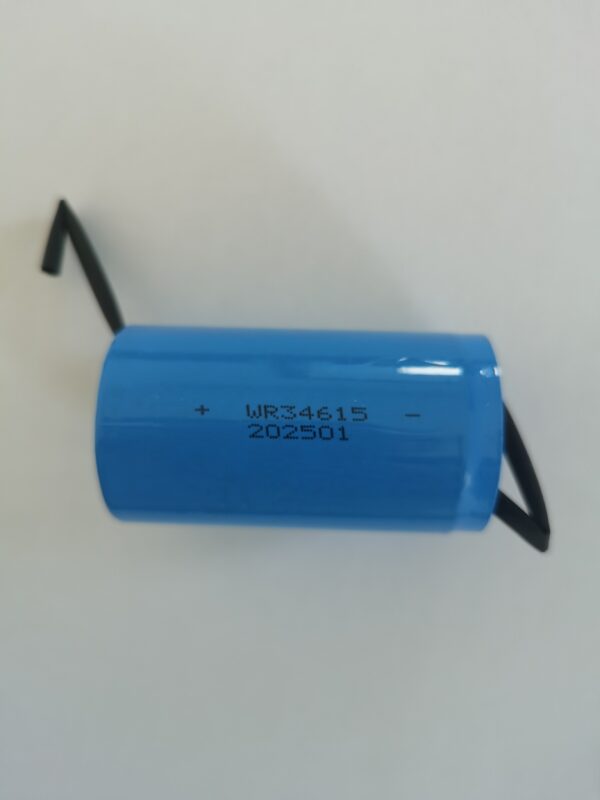
Saft LS26500 3.6V C Size Li-SOCl₂ Battery Replacement: A Comprehensive Technical Guide
Introduction
The Saft LS26500 3.6V C Size Li-SOCl₂ battery has long been a standard choice for industrial applications requiring reliable long-term power. However, supply chain disruptions, cost optimization needs, and end-of-life considerations often necessitate finding qualified replacements. This article provides engineers and technical procurement professionals with essential insights into identifying, evaluating, and implementing suitable alternatives for the LS26500 lithium thionyl chloride battery.
Understanding the LS26500 Technical Specifications
Before exploring replacement options, understanding the core specifications is critical. The LS26500 is a C-size lithium thionyl chloride primary battery with the following key parameters:
- Nominal Voltage: 3.6V
- Typical Capacity: 7.7 Ah (at 2.5mA discharge, 20°C)
- Operating Temperature Range: -60°C to +85°C
- Maximum Continuous Current: 100mA
- Pulse Current Capability: Up to 200mA (depending on temperature)
- Self-Discharge Rate: Less than 1% per year at 20°C
- Storage Life: Up to 10 years
Li-SOCl₂ chemistry offers exceptional energy density (approximately 500-700 Wh/kg) and stable voltage discharge characteristics, making it ideal for remote monitoring, utility metering, medical devices, and IoT applications where battery replacement is impractical.
Key Considerations for Battery Replacement
1. Electrical Compatibility
Any replacement must match the 3.6V nominal voltage within acceptable tolerances (±0.2V). Capacity should equal or exceed 7.7 Ah to maintain runtime expectations. Engineers must verify discharge curves under actual load conditions, as Li-SOCl₂ batteries exhibit voltage delay under high pulse currents—a phenomenon known as “voltage depression.”
2. Physical Dimensions
The LS26500 follows standard C-size dimensions:
- Diameter: 26.2mm (±0.5mm)
- Height: 50.5mm (±0.5mm)
Replacement batteries must fit existing battery holders without modification. Some manufacturers offer slight dimensional variations that may require mechanical adjustments.
3. Safety and Certification
Ensure replacements carry relevant safety certifications including UL, IEC 60086-4, UN 38.3 transportation compliance, and RoHS/REACH environmental standards. Li-SOCl₂ batteries contain hazardous materials requiring proper handling documentation.
4. Temperature Performance
Industrial applications often operate in extreme environments. Verify the replacement’s performance across your operational temperature range, particularly for cold-weather deployments where Li-SOCl₂ chemistry typically outperforms alternatives.
Evaluating Replacement Suppliers
When sourcing alternatives, consider these factors:
Manufacturing Quality: Request production facility audits, quality management certifications (ISO 9001), and batch testing reports. Consistent quality across production lots is essential for long-term deployments.
Technical Support: Reputable suppliers provide application engineering support, custom testing, and failure analysis capabilities. This partnership becomes valuable during product validation and field troubleshooting.
Supply Chain Stability: Evaluate supplier financial health, production capacity, and raw material sourcing strategies. Long-term availability commitments protect against future discontinuation risks.
Pricing Structure: While cost reduction often drives replacement decisions, prioritize total cost of ownership over unit price. Consider warranty terms, minimum order quantities, and lead times.
Testing and Validation Protocol
Implement a structured validation process before full deployment:
- Initial Electrical Testing: Measure open-circuit voltage, internal resistance, and capacity under standardized conditions
- Environmental Testing: Conduct temperature cycling, humidity exposure, and vibration testing per application requirements
- Long-term Monitoring: Deploy sample units in actual operating conditions for 3-6 months before full rollout
- Documentation: Maintain comprehensive test records for regulatory compliance and future reference
Common Application Scenarios
Li-SOCl₂ C-size batteries serve diverse industries:
- Utility Metering: Water, gas, and electricity meters requiring 10+ year battery life
- Industrial IoT: Remote sensors, tracking devices, and monitoring equipment
- Medical Devices: Portable diagnostic equipment and implantable device programmers
- Security Systems: Wireless alarms and access control systems
- Automotive: TPMS sensors and vehicle tracking units
Each application presents unique power profiles requiring careful battery selection.
Conclusion
Replacing the Saft LS26500 requires systematic evaluation of electrical, mechanical, and supply chain factors. By understanding Li-SOCl₂ technology fundamentals and implementing rigorous validation protocols, engineers can successfully transition to alternative suppliers without compromising system reliability.
For detailed product specifications and technical consultation on primary battery solutions, visit our product page. Our engineering team supports qualification testing and provides comprehensive documentation for regulatory submissions. Contact us directly at https://cnsbattery.com/primary-battery-contact-us/ for customized replacement recommendations and sample requests.
Proper battery replacement planning ensures continued product performance while optimizing procurement strategies for long-term sustainability.
