
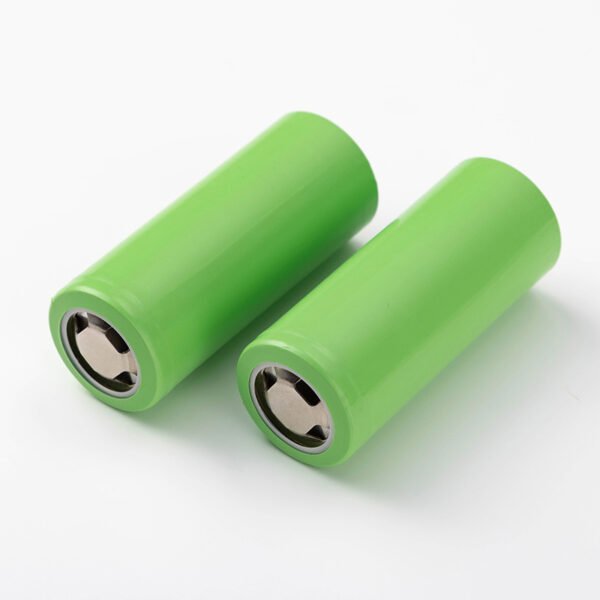
Saft LS17500 3.6V 4/5 AA Li-SOCl₂ Battery Alternative: A Technical Guide for B2B Sourcing
In the realm of industrial electronics, reliable long-term power is not merely a component requirement; it is the backbone of operational continuity. The Saft LS17500, a 3.6V 4/5 AA Lithium Thionyl Chloride (Li-SOCl₂) primary battery, has long been the industry standard for applications ranging from PLC memory backup to utility metering and IoT sensors. However, modern supply chain dynamics and cost optimization strategies have driven many B2B procurement managers and engineers to seek high-performance alternatives. This article provides a rigorous technical analysis for sourcing a compatible Saft LS17500 alternative without compromising on safety or performance.
Understanding the LS17500 Technical Benchmark
To identify a viable alternative, one must first establish the technical baseline of the original equipment manufacturer (OEM) cell. The Saft LS17500 is characterized by its robust chemistry and specific form factor. Key specifications include:
- Nominal Voltage: 3.6V
- Chemistry: Lithium Thionyl Chloride (Li-SOCl₂)
- Dimensions: Approximately 14.5mm (diameter) × 49.5mm (length)
- Typical Capacity: 2400mAh to 2600mAh (depending on discharge current)
- Operating Temperature: -60°C to +85°C
- Self-Discharge Rate: Less than 1% per year at ambient temperature
These parameters define the “drop-in” requirements. Any alternative must match these electrical and mechanical characteristics to ensure seamless integration into existing battery holders and circuit designs.
Critical Selection Criteria for Alternatives
When evaluating a replacement cell, B2B buyers should prioritize three core pillars: electrical compatibility, physical precision, and safety certification.
1. Electrical Performance and Voltage Stability
Li-SOCl₂ batteries are chosen for their flat discharge curve. A suitable alternative must maintain a voltage plateau close to 3.6V throughout the majority of its discharge cycle. Voltage delay, a common phenomenon in lithium primary cells caused by passivation layers, should be minimized, especially for applications requiring high pulse currents. Engineers should request discharge curve data at various temperatures and load conditions to verify performance parity with the LS17500.
2. Dimensional Tolerance
The “4/5 AA” form factor is specific. Even minor deviations in diameter or length can lead to poor contact within spring-loaded holders or failure to fit in compact enclosures. High-quality alternatives adhere to strict IEC standards, ensuring the diameter remains within the 14.5mm ±0.5mm range and length does not exceed the 50mm threshold. Precision manufacturing is non-negotiable for automated assembly lines.
3. Safety and Certifications
Industrial batteries operate in harsh environments. A credible alternative must carry relevant international safety certifications, such as UL, CE, and UN38.3 for transportation. Additionally, the cell design should include safety vents to prevent rupture in case of abnormal pressure buildup. For B2B clients, verifying the manufacturer’s quality management system (e.g., ISO 9001) is essential to ensure batch-to-batch consistency.
Supply Chain Stability and Cost Efficiency
Reliance on a single brand for critical components introduces supply chain risk. Diversifying with a qualified alternative mitigates the risk of shortages and lead time extensions. Furthermore, reputable alternative manufacturers often offer more competitive pricing structures for bulk orders without sacrificing quality. This cost efficiency allows businesses to optimize their BOM (Bill of Materials) while maintaining product reliability.
When sourcing these components, it is crucial to partner with suppliers who specialize in primary lithium technology rather than general consumer battery distributors. Specialized manufacturers possess the technical expertise to customize solutions, such as adding tabs, connectors, or specific packaging tailored to industrial automation needs.
Integration and Long-Term Reliability
Transitioning to an alternative battery requires validation. We recommend a pilot testing phase where the alternative cells are subjected to the same environmental stress tests as the original design. Monitor parameters such as open-circuit voltage (OCV) after storage, pulse capability, and total service life.
For companies seeking a reliable source of primary lithium batteries that meet these rigorous standards, exploring dedicated industrial battery suppliers is the next logical step. Professional suppliers offer comprehensive technical support to assist in the validation process, ensuring that the transition is smooth and risk-free.
Conclusion
The search for a Saft LS17500 alternative is a strategic decision driven by the need for supply chain resilience and cost optimization. By focusing on strict technical matching, safety certifications, and manufacturer credibility, B2B clients can secure a power source that equals or exceeds the performance of the legacy standard. The key lies in partnering with a supplier who understands the nuances of Li-SOCl₂ chemistry and industrial application requirements.
For detailed specifications on compatible 3.6V primary lithium batteries and to discuss your specific project requirements, please visit our primary battery product page. Our team is ready to provide technical data sheets and samples for your evaluation. To initiate a conversation with our engineering support team regarding custom solutions or bulk procurement, please use our contact form. Ensuring your industrial devices remain powered with precision and reliability is our commitment.
