
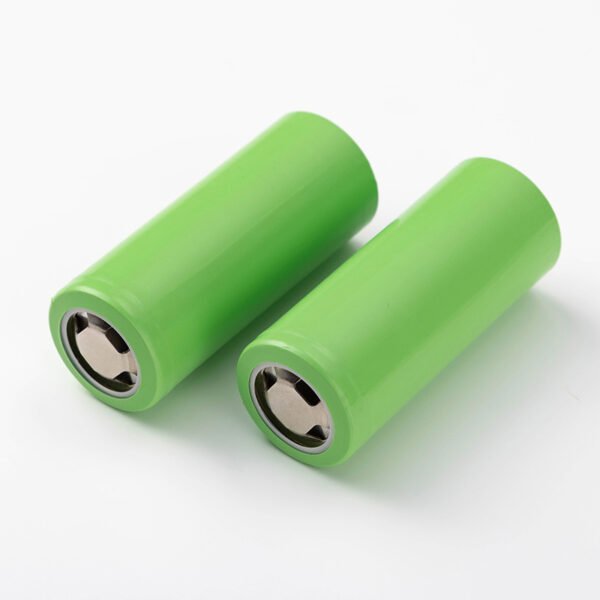
Saft LS17330 Li-SOCl₂ Battery Alternative for Security Systems
Introduction
In the critical domain of security system applications, reliable power sources are non-negotiable. The Saft LS17330 Li-SOCl₂ (Lithium Thionyl Chloride) battery has long been a standard choice for security devices, offering 3.6V nominal voltage and 2100mAh capacity in a compact Φ16.5×33.4mm form factor. However, supply chain constraints, cost considerations, and evolving technical requirements have driven engineers and procurement specialists to seek qualified alternatives. This article provides a comprehensive technical analysis of Saft LS17330 equivalents, focusing on performance parameters, compatibility considerations, and selection criteria for security system deployments.
Understanding Li-SOCl₂ Battery Technology
Lithium Thionyl Chloride batteries represent the pinnacle of primary lithium chemistry for long-life applications. The electrochemical reaction between lithium anode and thionyl chloride cathode delivers exceptional energy density (up to 500 Wh/kg), ultra-low self-discharge rates (less than 2% per year), and extended operational temperature ranges (-60°C to +85°C). These characteristics make Li-SOCl₂ batteries ideal for security systems requiring 10+ years of maintenance-free operation.
The LS17330 specifically belongs to the capacity-type variant, optimized for low-to-moderate continuous discharge applications. Key specifications include:
- Nominal Voltage: 3.6V
- Capacity: 2100mAh (at 23mA continuous discharge)
- Pulse Current: Up to 120mA
- Storage Life: 10 years minimum
- Operating Temperature: -60°C to +85°C
Critical Selection Criteria for Alternatives
1. Electrical Compatibility
Any LS17330 alternative must match the 3.6V nominal voltage within ±0.1V tolerance. Security system PCBs are designed with specific voltage thresholds for low-battery detection and system shutdown. Deviations beyond acceptable ranges can trigger false alarms or premature system failures. Capacity should equal or exceed 2100mAh to maintain equivalent runtime expectations.
2. Physical Dimensions and Form Factor
The Φ16.5×33.4mm dimensions are critical for mechanical compatibility. Even 0.5mm variations can cause installation issues in tight battery compartments. Terminal configuration (typically axial leads or solder tabs) must match existing harness designs without modification.
3. Discharge Characteristics
Security systems often combine low continuous current (standby monitoring) with periodic high-current pulses (alarm transmission, sensor activation). Quality alternatives must demonstrate similar voltage plateau stability under both continuous and pulse discharge conditions. Look for manufacturers providing detailed discharge curves at multiple load conditions.
4. Safety Certifications
For security applications, certifications matter. Verify UL, IEC 60086-4, UN 38.3 transportation compliance, and RoHS/REACH environmental standards. These certifications ensure regulatory compliance across global markets and reduce liability exposure.
Evaluating Alternative Suppliers
When assessing LS17330 alternatives, consider these factors:
Manufacturing Heritage: Established lithium battery manufacturers with 15+ years of Li-SOCl₂ production experience typically offer more consistent quality control and technical support.
Quality Management: ISO 9001 certification and documented quality processes indicate systematic approach to manufacturing consistency.
Technical Documentation: Comprehensive datasheets, safety data sheets (SDS), and application notes demonstrate manufacturer commitment to customer support.
Supply Chain Stability: Multiple production facilities and raw material sourcing diversification reduce supply disruption risks.
For detailed product specifications and technical consultation, visit CNS Battery Primary Battery Product Range. Their engineering team can provide cross-reference documentation and sample evaluation units for qualification testing.
Implementation Best Practices
Qualification Testing Protocol
Before deploying alternatives in production systems, implement a structured qualification process:
- Initial Performance Verification: Measure open-circuit voltage, capacity at rated discharge, and internal resistance against specifications.
- Environmental Testing: Conduct temperature cycling (-40°C to +70°C), humidity exposure (85% RH), and vibration testing per applicable standards.
- Long-term Storage Evaluation: Monitor voltage retention after 6-12 months storage at elevated temperatures (40°C) to verify self-discharge claims.
- System Integration Testing: Validate complete security system operation including alarm functions, communication modules, and backup power transitions.
Procurement Considerations
Technical purchasers should negotiate:
- Lot Traceability: Ensure batch-level tracking for quality investigations
- Shelf Life Guarantees: Minimum 80% capacity retention after 5 years storage
- Technical Support Access: Direct engineering contact for application issues
- Volume Pricing Stability: Multi-year pricing agreements for production planning
Conclusion
Finding a qualified Saft LS17330 Li-SOCl₂ battery alternative requires systematic evaluation of electrical, mechanical, and performance parameters. Security system reliability depends on power source consistency, making thorough qualification testing essential before deployment. By understanding Li-SOCl₂ technology fundamentals and applying structured selection criteria, engineers and procurement specialists can identify alternatives that maintain or exceed original equipment performance while optimizing total cost of ownership.
For technical inquiries, cross-reference documentation, or sample requests, contact the CNS Battery Primary Battery Team. Their application engineers specialize in security system power solutions and can provide customized recommendations based on your specific deployment requirements.
Technical Note: This article provides general guidance for LS17330 alternative selection. Always consult manufacturer datasheets and conduct application-specific testing before production deployment. Battery performance varies based on discharge profiles, environmental conditions, and system design parameters.
