
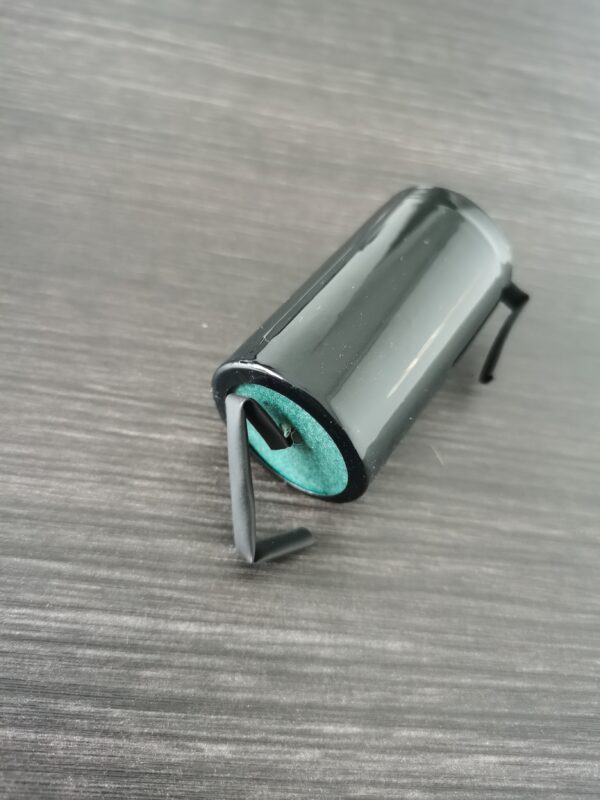
Saft LS14250 3.6V 1/2 AA Li-SOCl₂ Battery Replacement: A Technical Guide for Engineers
In the realm of industrial electronics, precision power sources are critical for maintaining system integrity. The Saft LS14250 3.6V 1/2 AA Li-SOCl₂ battery has long established itself as an industry standard for memory backup, PLC systems, and utility metering. However, supply chain volatility and lifecycle management often necessitate the identification of reliable replacements. For technical purchasers and design engineers, selecting an equivalent is not merely about matching dimensions; it requires a rigorous understanding of lithium thionyl chloride chemistry, discharge characteristics, and safety certifications. This article provides a comprehensive technical breakdown for sourcing high-performance replacements that meet original equipment manufacturer (OEM) standards.
Understanding Li-SOCl₂ Technology Fundamentals
To evaluate a replacement effectively, one must first understand the underlying electrochemistry. The Saft LS14250 utilizes a Lithium Thionyl Chloride (Li-SOCl₂) system. Unlike alkaline or lithium-ion technologies, this is a primary (non-rechargeable) battery known for its exceptional energy density and stable voltage profile.
The chemistry relies on a liquid cathode (thionyl chloride) and a lithium anode. During discharge, the thionyl chloride is reduced at a porous carbon cathode, while lithium is oxidized at the anode. This reaction yields a nominal open-circuit voltage of 3.6V to 3.67V, significantly higher than standard 1.5V or 3.0V lithium manganese dioxide cells. Key technical advantages include:
- Low Self-Discharge: Less than 1% per year at 20°C, enabling shelf lives exceeding 10 years.
- Wide Temperature Range: Operational stability from -60°C to +85°C, crucial for outdoor utility meters and harsh industrial environments.
- High Energy Density: Approximately 500 Wh/kg, allowing compact designs for space-constrained PCBs.
When sourcing a replacement, verifying that the alternative cell employs genuine bobbin-type or spiral-wound Li-SOCl₂ construction is essential to replicate these performance metrics.
Critical Specifications for Equivalent Selection
Engineering validation begins with hard data. A viable replacement for the LS14250 must align with specific electrical and mechanical parameters to ensure drop-in compatibility without firmware or hardware modifications.
1. Voltage and Capacity Profile
The nominal voltage must remain at 3.6V. While minor variances in open-circuit voltage (OCV) are acceptable, the load voltage under operation should not drop below 3.0V prematurely. The standard capacity for the 1/2 AA form factor is typically 1.2Ah (1200mAh), though some variants specify 1.1Ah. Engineers should calculate the device’s annual current drain to ensure the replacement capacity supports the intended service life, typically ranging from 5 to 10 years in low-drain applications.
2. Dimensional Tolerances
Physical fit is non-negotiable. The LS14250 dimensions are approximately 14.5mm in diameter and 25.1mm in height. Replacements must adhere to strict IEC 60086 standards. Even a 0.5mm deviation can cause contact issues in tight battery holders or CNC memory slots. Always request detailed mechanical drawings from the supplier to verify tolerance levels.
3. Pulse Current Capability
While Li-SOCl₂ batteries are optimized for low continuous current, many modern applications require periodic high-current pulses for data transmission or alarm signaling. Standard bobbin-type cells may suffer from voltage delay upon sudden load application. If your application involves pulses (e.g., 100mA for 1 second), ensure the replacement cell is rated for pulse discharge or utilizes a hybrid layer technology to mitigate voltage depression.
Safety Certifications and Compliance
For B2B procurement, regulatory compliance is as vital as performance. The original Saft LS14250 carries significant safety certifications, including IEC 60086-4 (safety of primary batteries) and IEC 60079-11 (intrinsic safety for explosive atmospheres).
When evaluating a replacement, verify the following:
- UL Recognition: Ensures the cell meets North American safety standards.
- UN 38.3: Mandatory for the transportation of lithium batteries by air, sea, or land.
- RoHS/REACH: Compliance with environmental directives is essential for European market access.
Failure to validate these certifications can lead to customs delays, liability issues, or rejection during end-product safety audits.
Sourcing Reliable Replacements
The market offers numerous alternatives, but quality consistency varies. Engineers should prioritize suppliers with established manufacturing lines and quality control systems akin to top-tier brands. Key factors include batch consistency, voltage delay testing, and long-term aging data.
For organizations seeking validated, high-reliability primary battery solutions, it is crucial to partner with suppliers who specialize in industrial-grade lithium chemistry. You can explore a comprehensive range of certified primary battery options tailored for industrial and IoT applications at our primary battery product page.
Our team understands the technical nuances required for seamless integration. Whether you require standard 1/2 AA cells or custom tabbing solutions, ensuring supply chain resilience is our priority. For detailed technical datasheets, sample requests, or specific engineering consultations regarding Saft LS14250 equivalents, please reach out to our technical support team via our contact us page.
Conclusion
Replacing the Saft LS14250 is a decision that impacts the long-term reliability of critical infrastructure. By focusing on genuine Li-SOCl₂ chemistry, strict dimensional adherence, pulse capability, and global safety certifications, engineers can secure replacements that match or exceed original performance standards. Prioritizing quality over cost in primary battery selection minimizes the risk of field failures and maintenance overhead. With the right technical partner, maintaining power integrity for your devices becomes a streamlined, predictable process.
