Safety Valve Equipped Cylindrical Battery | CNS BATTERY
Introduction
In the evolving landscape of lithium-ion battery technology, safety remains the paramount concern for engineers and technical procurement specialists worldwide. The Safety Valve Equipped Cylindrical Battery represents a critical advancement in cell design, integrating pressure-release mechanisms that protect against thermal runaway and overpressure scenarios. At CNS BATTERY, we understand that cylindrical cells with properly engineered safety valves are essential for applications ranging from consumer electronics to electric vehicles and energy storage systems.
Understanding the Safety Valve Mechanism
Technical Function and Design Principles
The safety valve, often referred to as a Current Interrupt Device (CID) or pressure relief vent, serves as a fail-safe mechanism within cylindrical battery cells. When internal pressure exceeds predetermined thresholds—typically between 0.8 to 1.5 MPa depending on cell chemistry and design—the valve activates to release gases generated during abnormal conditions.
Key Technical Parameters:
- Activation Pressure Range: 800-1500 kPa (cell-dependent)
- Response Time: <100 milliseconds under critical conditions
- Venting Temperature: Correlated with electrolyte decomposition points (130°C-150°C)
The valve design incorporates a scored metal disc that fractures at specific pressure points, creating a controlled venting pathway. This prevents catastrophic cell rupture while maintaining structural integrity during normal operation.
Integration with Cylindrical Cell Architecture
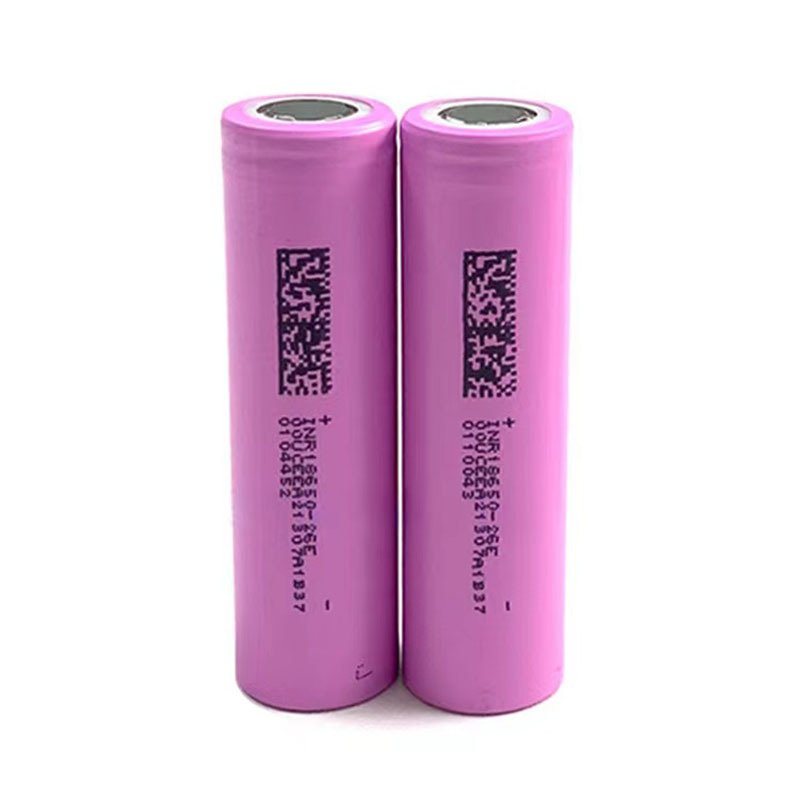
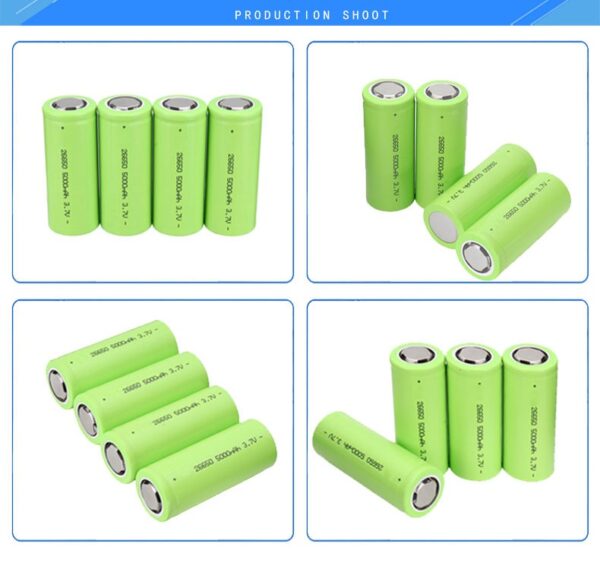
Cylindrical batteries, particularly in 18650, 21700, and 26650 formats, benefit from the safety valve’s radial symmetry compatibility. The valve is typically positioned at the positive terminal end, integrated within the cap assembly. This placement ensures:
- Minimal Volume Impact: Safety mechanisms occupy less than 3% of total cell volume
- Consistent Manufacturing: Automated assembly lines maintain precision tolerances of ±0.05mm
- Thermal Management Compatibility: Venting direction aligns with cooling system designs
Safety Performance Metrics and Testing Standards
International Compliance Framework
Professional battery procurement requires verification against established safety standards. CNS BATTERY cylindrical cells with safety valves comply with:
- UN 38.3: Transportation safety requirements
- IEC 62133: Secondary cell safety specifications
- UL 1642: Lithium battery safety certification
- GB/T 31485: Chinese national safety standards
Critical Test Scenarios
Overcharge Testing: Cells are charged at 2C rates until safety valve activation, verifying pressure release before thermal runaway initiation.
External Short Circuit: Maximum current discharge tests confirm valve integrity under 1000A+ fault conditions.
Thermal Abuse: Heating rates of 5°C/min to 150°C validate venting temperature thresholds and gas release patterns.
Crush Testing: 13kN force application demonstrates structural resilience while maintaining valve functionality.
Application-Specific Considerations for B2B Procurement
Electric Vehicle Battery Packs
For EV applications, safety valve equipped cylindrical cells enable modular pack designs with enhanced thermal propagation resistance. Engineers should consider:
- Venting Direction: Ensure gas release paths do not impinge on adjacent cells
- Pressure Equalization: Pack housings require venting channels matching cell valve capacity
- BMS Integration: Voltage monitoring should detect valve activation through impedance changes
Energy Storage Systems (ESS)
Stationary storage applications benefit from the predictable failure modes of valved cylindrical cells. Technical specifications should address:
- Cycle Life Impact: Safety valve design should not compromise 3000+ cycle expectations
- Temperature Operating Range: -20°C to 60°C with maintained valve functionality
- Scalability: Consistent valve performance across production batches
Consumer Electronics
Portable device manufacturers require compact cylindrical solutions with reliable safety mechanisms. Key considerations include:
- Form Factor Compatibility: Standard 18650/21700 dimensions with integrated safety features
- Regulatory Compliance: Meeting regional safety certifications for market access
- Supply Chain Reliability: Consistent quality from established manufacturers
CNS BATTERY Technical Advantages
Our cylindrical battery cells incorporate advanced safety valve technology developed through extensive R&D investment. Each production batch undergoes statistical process control with valve activation pressure verified at 100% inspection rates for critical applications.
Manufacturing Excellence:
- Automated valve assembly with vision system verification
- Real-time pressure testing during final quality control
- Traceability systems linking valve performance to production parameters
For technical specifications and customization options, explore our Cylindrical Battery Cell portfolio. Our engineering team supports B2B partners with application-specific cell selection and integration guidance.
Conclusion
Safety valve equipped cylindrical batteries represent the intersection of performance and protection in modern lithium-ion technology. For engineers and procurement specialists evaluating battery solutions, understanding valve mechanics, testing standards, and application requirements ensures optimal cell selection for your specific use case.
CNS BATTERY stands as a reliable partner in the global battery supply chain, delivering certified cylindrical cells with integrated safety mechanisms. As a leading Battery Manufacturers in China, we combine technical expertise with manufacturing scale to meet international quality expectations.
For detailed technical consultations, certification documentation, or sample requests, please Contact Us to connect with our engineering and sales teams. We support B2B partners worldwide with responsive communication and reliable supply chain solutions.
Technical specifications subject to application requirements. All safety certifications available upon request for qualified business partners.