
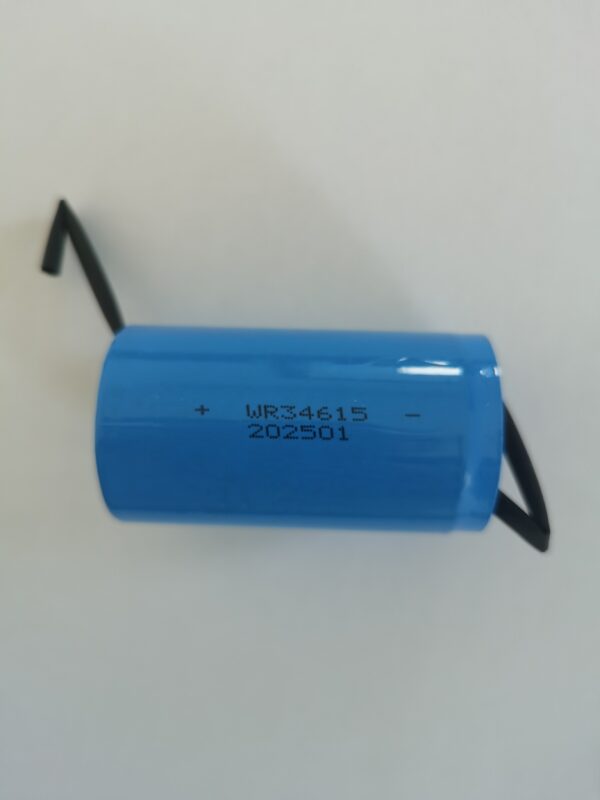
Safe Storage Guidelines for Li-SO₂ Military Batteries
Introduction
Lithium-sulfur dioxide (Li-SO₂) batteries represent a critical power solution for military and defense applications worldwide. As a non-rechargeable lithium metal primary battery technology, Li-SO₂ cells deliver exceptional energy density, wide operating temperature ranges, and long shelf life. However, their proper storage requires strict adherence to safety protocols due to the reactive nature of lithium metal and pressurized SO₂ electrolyte. This technical guide provides comprehensive storage guidelines for engineers, procurement specialists, and logistics managers handling Li-SO₂ military batteries.
Understanding Li-SO₂ Battery Chemistry
Li-SO₂ batteries utilize lithium metal as the anode and sulfur dioxide as both cathode active material and electrolyte solvent. The nominal voltage stands at 3.0V, with energy density reaching 280-330 Wh/kg. The pressurized cell design (typically 2-4 atm at room temperature) necessitates careful handling. During storage, the self-discharge rate remains below 1% per year at 20°C, enabling 10-15 year shelf life under optimal conditions.
Critical Storage Parameters
Temperature Control
Storage temperature represents the most critical factor for Li-SO₂ battery preservation. Recommended storage ranges from -40°C to +60°C, with optimal long-term storage at 15-25°C. Temperatures exceeding 70°C accelerate electrolyte decomposition and increase internal pressure, potentially triggering safety vent mechanisms. Conversely, extreme cold below -50°C may temporarily reduce capacity but causes no permanent damage.
Military specifications (MIL-PRF-32565) require temperature monitoring with data loggers for warehouse storage. Thermal cycling should be minimized to prevent seal degradation.
Humidity Management
Relative humidity must remain below 75% RH to prevent external corrosion of battery terminals and steel casings. High humidity environments accelerate metallic corrosion, potentially compromising electrical contact integrity. Climate-controlled storage facilities with dehumidification systems are recommended for tropical regions.
Physical Positioning
Li-SO₂ cells should be stored upright or in original packaging orientation to maintain proper internal component alignment. Random stacking beyond manufacturer-specified limits risks mechanical damage to cell vents and seals. Pallet stacking height should not exceed 1.5 meters without intermediate support structures.
Safety Compliance Requirements
Regulatory Standards
Li-SO₂ batteries fall under UN3090 classification for lithium metal batteries. Storage facilities must comply with:
- IATA Dangerous Goods Regulations (DGR)
- IMDG Code for maritime storage
- Local fire safety codes for lithium battery warehouses
- OSHA 29 CFR 1910 for workplace safety
Fire Prevention Measures
Although Li-SO₂ batteries exhibit excellent thermal stability, storage areas require:
- Class D fire extinguishers (for metal fires)
- Automatic fire suppression systems
- Temperature monitoring with alarm thresholds at 65°C
- Separation from oxidizing materials and heat sources
- Maximum 500 kg per fire compartment (per NFPA guidelines)
Packaging Integrity
Original manufacturer packaging provides optimal protection during storage. Key requirements include:
- Moisture-barrier bags with desiccant for long-term storage
- Shock-absorbing dividers between cells
- Clear labeling with UN3090 markings
- Batch number and manufacture date visibility
Shelf Life Management
Inventory Rotation
Implement FIFO (First-In-First-Out) inventory management to maximize battery freshness. Li-SO₂ batteries maintain 90%+ capacity after 5 years at 25°C storage. Regular capacity testing (annually for critical applications) ensures performance verification.
Documentation Requirements
Maintain comprehensive records including:
- Manufacturing date and batch numbers
- Storage temperature logs
- Inspection dates and results
- Distribution tracking for traceability
Special Considerations for Military Applications
Military deployments often require forward storage in challenging environments. Portable storage containers with temperature buffering provide protection during field operations. Pre-deployment testing verifies battery performance after extended storage periods.
For mission-critical applications, maintain 20% reserve inventory with accelerated aging testing to predict field performance.
Conclusion
Proper storage of Li-SO₂ military batteries ensures reliable performance when mission success depends on power availability. Following these technical guidelines minimizes safety risks while maximizing battery shelf life and performance consistency.
For detailed specifications on military-grade Li-SO₂ batteries and customized storage solutions, explore our comprehensive product range at CNS Battery Primary Battery Solutions. Our technical team provides expert consultation on battery selection, storage protocols, and compliance requirements. Contact us directly at Primary Battery Contact for project-specific guidance and quotation support.
Technical Note: All storage recommendations align with IEC 60086-4:2025 standards and current military specifications. Regular review of updated regulations is essential for compliance maintenance.
