Understanding Real Internal Resistance in Battery Cells: A Technical Guide for Engineers
In the lithium battery industry, real internal resistance stands as one of the most critical parameters determining cell performance, safety, and longevity. For engineers and technical procurement professionals evaluating battery solutions, comprehending how internal resistance affects real-world applications is essential for making informed decisions. At CNS BATTERY, we prioritize transparency in cell specifications to ensure our partners achieve optimal system performance.
What Is Real Internal Resistance?
Internal resistance represents the opposition to current flow within a battery cell during operation. Unlike theoretical values measured under ideal laboratory conditions, real internal resistance accounts for actual operating environments including temperature variations, state of charge (SOC), aging effects, and load conditions. This parameter directly influences voltage drop, heat generation, and power delivery capability.
From an electrochemical perspective, internal resistance comprises multiple components: ohmic resistance from electrode materials and electrolytes, charge transfer resistance at electrode-electrolyte interfaces, and diffusion resistance during ion transport. Understanding these components helps engineers predict cell behavior under diverse operating scenarios.
Key Factors Affecting Internal Resistance
1. Temperature Dependency
Temperature significantly impacts internal resistance values. At lower temperatures, electrolyte viscosity increases, slowing ion mobility and raising resistance. Conversely, elevated temperatures reduce resistance but may accelerate degradation. Professional cell testing should include resistance measurements across the full operating temperature range specified for your application.
2. State of Charge (SOC) Variation
Internal resistance fluctuates throughout the charge-discharge cycle. Typically, resistance reaches minimum values at mid-SOC ranges and increases at both extreme high and low SOC levels. This characteristic affects power availability during critical operation phases and must be considered in battery management system (BMS) design.
3. Aging and Cycle Life
As cells undergo charge-discharge cycles, internal resistance gradually increases due to electrode material degradation, SEI layer growth, and electrolyte decomposition. Monitoring resistance growth serves as a reliable indicator for predicting remaining useful life and scheduling preventive maintenance.
Why Real Internal Resistance Matters for Your Application
For high-power applications such as electric vehicles, power tools, or energy storage systems, low internal resistance translates directly to:
- Higher efficiency: Reduced energy loss during charge-discharge cycles
- Better thermal management: Less heat generation under load
- Extended cycle life: Lower stress on cell components
- Improved safety: Reduced risk of thermal runaway events
Technical procurement teams should request detailed resistance specifications including AC impedance data, DC resistance values, and resistance growth rates over cycling. These metrics provide clearer performance expectations than capacity ratings alone.
Selecting the Right Cylindrical Battery Cells
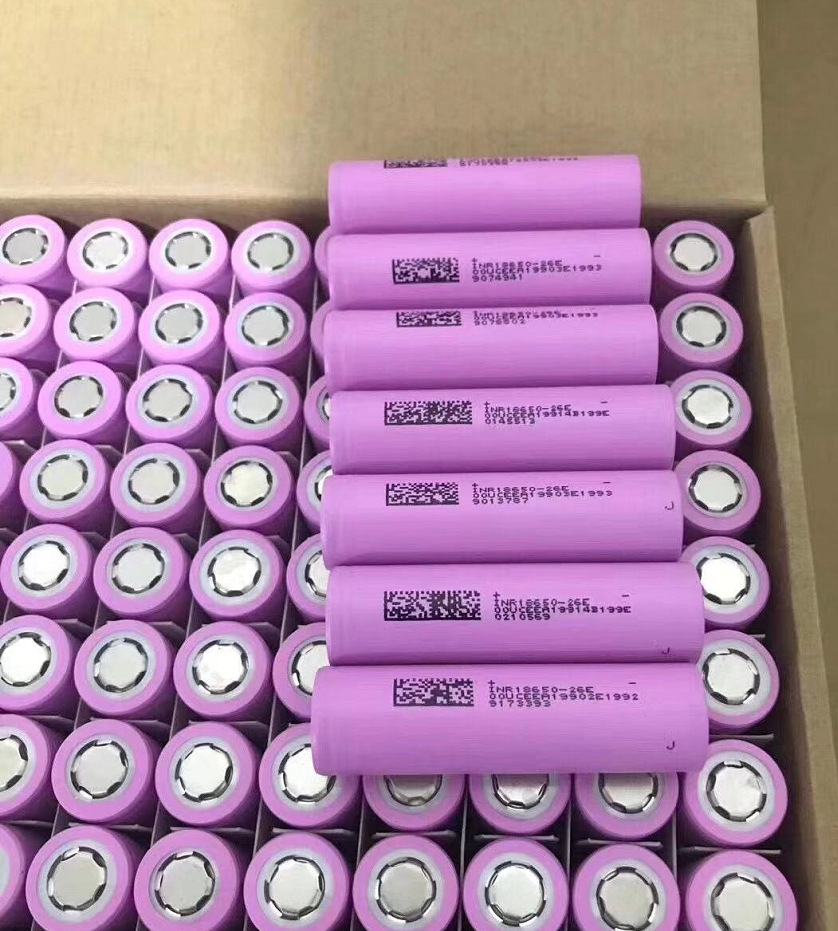
When evaluating cylindrical cell options, consider internal resistance alongside other critical parameters such as energy density, discharge rates, and thermal characteristics. CNS BATTERY offers comprehensive technical documentation supporting engineer-driven selection processes. Explore our cylindrical battery cell range for detailed specifications tailored to industrial applications.
Working with Reliable Battery Manufacturers in China
Partnering with experienced manufacturers ensures access to accurate technical data and consistent quality control. Established suppliers maintain rigorous testing protocols for internal resistance measurement across production batches. For professionals seeking verified manufacturing partners, review resources on battery manufacturers in China to understand industry standards and qualification criteria.
Conclusion
Real internal resistance remains a fundamental metric for battery cell evaluation, directly impacting system performance, efficiency, and longevity. Engineers and procurement specialists should prioritize transparent resistance data when selecting cells for demanding applications. By understanding the technical factors influencing internal resistance, professionals can make informed decisions that optimize total cost of ownership while ensuring reliable operation.
For technical consultations or detailed cell specifications, reach out through our contact page to connect with our engineering support team. At CNS BATTERY, we commit to providing accurate, verifiable technical data empowering our partners to build better energy solutions.