
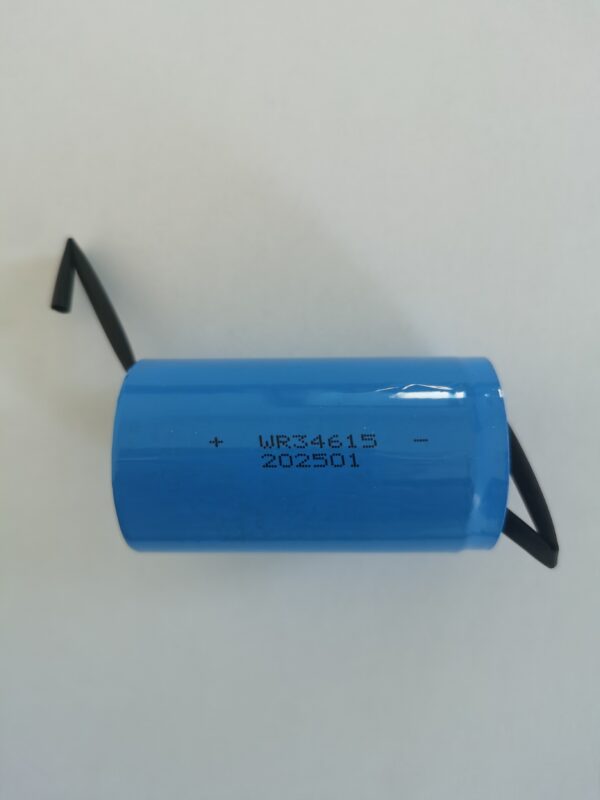
PSE Certified Li-SOCl₂ Battery for Japan Smart Meter Market
Introduction
Japan’s smart meter infrastructure continues to expand rapidly, driving unprecedented demand for reliable, long-life power solutions. For lithium battery manufacturers targeting this market, PSE (Product Safety of Electrical Appliance & Materials) certification has become the critical gateway to market entry. Lithium thionyl chloride (Li-SOCl₂) batteries, with their exceptional energy density and ultra-long service life, represent the optimal power source for smart metering applications. This article examines the essential requirements, technical specifications, and compliance considerations for PSE certified Li-SOCl₂ batteries in Japan’s smart meter sector.
PSE Certification Requirements for Japan Market
PSE certification is Japan’s mandatory safety certification system under the Electrical Appliance and Material Safety Law (DENAN). For Li-SOCl₂ batteries destined for smart meter applications, manufacturers must navigate specific regulatory pathways:
Circular PSE Mark: Primary lithium batteries typically fall under the circular PSE category (non-specific electrical products), requiring third-party testing and supplier declaration of conformity. Since May 2023, J62368-1 (2023) standards have been enforced, with all circular PSE certificates requiring updates by April 2026 to maintain validity.
METI Registration: After obtaining PSE certification, manufacturers must complete METI (Ministry of Economy, Trade and Industry) filing. The certificate holder must be a Japan-based entity, requiring partnerships with local importers or authorized representatives.
Testing Requirements: Comprehensive safety testing includes electrical safety, environmental stress screening, and transportation compliance (UN38.3). Domestic laboratory testing costs approximately USD 600, roughly 40% lower than Japanese institutions, though products with wireless charging capabilities incur 35% additional fees.
Li-SOCl₂ Battery Technical Advantages
Lithium thionyl chloride chemistry delivers unmatched performance characteristics essential for smart meter deployments:
Energy Density: Li-SOCl₂ batteries achieve theoretical specific energy of 710Wh/kg, with practical applications reaching 650Wh/kg—significantly surpassing alkaline batteries (100Wh/kg) and lithium manganese dioxide batteries (280Wh/kg). This enables compact designs with extended operational life.
Operating Voltage: Nominal 3.6V output provides stable power delivery throughout the discharge cycle, critical for accurate metering and data transmission.
Self-Discharge Rate: Annual self-discharge below 1% ensures batteries maintain capacity during extended storage and deployment periods. Properly manufactured cells can achieve 10-15 year service life in smart meter applications.
Temperature Performance: Operational range from -55°C to +85°C accommodates Japan’s diverse climate conditions, from Hokkaido’s winter extremes to Okinawa’s subtropical humidity.
Pulse Current Capability: Modern Li-SOCl₂ designs incorporate hybrid layer construction or parallel capacitor configurations to support communication module transmission bursts without voltage depression.
Smart Meter Application Requirements
Japan’s smart meter infrastructure demands power solutions meeting rigorous performance standards:
Service Life: Minimum 10-year operational life aligns with utility replacement cycles and reduces total cost of ownership. Li-SOCl₂ chemistry’s low self-discharge and stable discharge characteristics make it the industry standard.
Reliability: Battery failure directly impacts billing accuracy and grid management. Reliability prediction methods must account for complex structural characteristics and hardware environmental factors affecting Li-SOCl₂ performance.
Safety Compliance: Beyond PSE certification, batteries must satisfy transportation regulations, environmental directives, and utility-specific qualification protocols. Hermetic sealing prevents electrolyte leakage and ensures long-term integrity.
Dimensional Standardization: Common form factors include ER14250, ER14505, ER17505, and ER34615 configurations, enabling design flexibility across meter manufacturers.
Quality Assurance and Manufacturing Excellence
Achieving PSE certification requires comprehensive quality management systems:
Factory Inspection: Certified Assessment Bodies (CABs) such as UL, TUV, or equivalent organizations evaluate manufacturing capabilities before PSE certificate issuance. Subsequent same-type products rely primarily on manufacturer self-regulation.
Traceability: Complete documentation including technical specifications, circuit diagrams, test reports, and quality control records must be maintained throughout the product lifecycle.
Continuous Compliance: Post-certification, manufacturers bear responsibility for ongoing conformity. Regular audits and product sampling ensure sustained compliance with Japanese regulations.
Supply Chain Integrity: Raw material sourcing, production processes, and final assembly must meet consistent quality standards. Any significant changes require re-evaluation and potential recertification.
Market Entry Strategy
Successful penetration of Japan’s smart meter battery market requires strategic planning:
Local Partnerships: Establishing relationships with Japanese distributors, utilities, and meter manufacturers facilitates market access and regulatory navigation.
Certification Timeline: Allow 8-12 weeks for complete PSE certification process, including testing, documentation review, and METI registration.
Industry Participation: Events like BATTERY JAPAN (held annually in Tokyo, Osaka, and Chiba) provide valuable networking opportunities and market intelligence. The 2026 exhibition runs March 17-19 at Tokyo Big Sight, coinciding with Smart Grid Expo and other energy sector events.
Competitive Positioning: Emphasize total cost of ownership, reliability track record, and technical support capabilities rather than price alone. Japanese utilities prioritize long-term performance over initial cost savings.
Conclusion
PSE certified Li-SOCl₂ batteries represent the gold standard for Japan’s smart meter market, combining regulatory compliance with exceptional technical performance. Manufacturers who invest in proper certification, quality systems, and local market understanding will capture significant opportunities in this growing sector. The convergence of Japan’s infrastructure modernization initiatives and stringent safety requirements creates both challenges and advantages for qualified suppliers.
For comprehensive information on PSE compliant primary battery solutions and technical consultation, visit our primary battery product portfolio. Our engineering team stands ready to support your Japan market entry strategy with certified products and expert guidance. Contact us directly through our primary battery contact page to discuss your specific requirements and certification timelines.
Success in Japan’s smart meter battery market demands more than quality products—it requires commitment to compliance, reliability, and long-term partnership. With proper preparation and the right technical solutions, manufacturers can establish sustainable presence in one of the world’s most demanding yet rewarding battery markets.
