
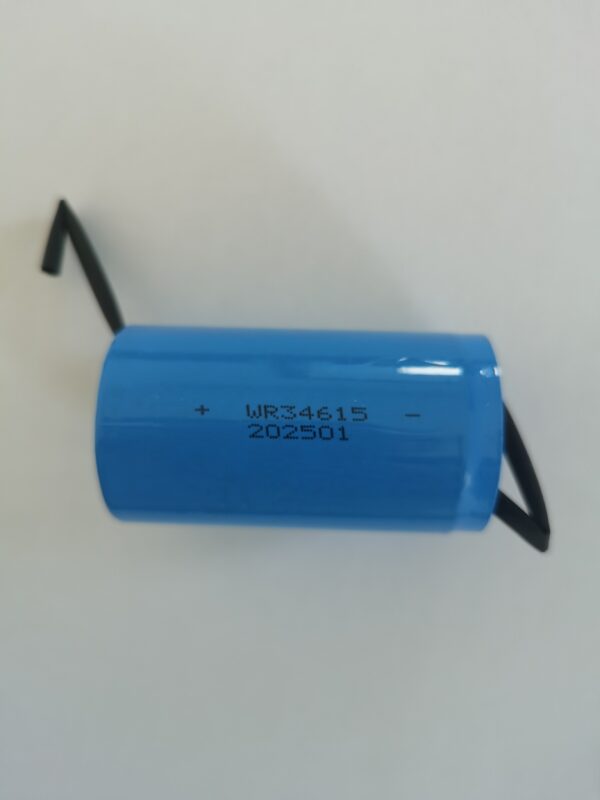
Primary Lithium Battery Exporter | UL CE ATEX Certified Supplier
Navigating Global Compliance in Primary Lithium Battery Sourcing
For procurement managers, engineering teams, and supply chain decision-makers worldwide, selecting a reliable primary lithium battery supplier extends beyond price considerations. Certifications like UL, CE, and ATEX represent critical compliance benchmarks that directly impact product safety, market access, and liability protection. This guide outlines essential factors for B2B buyers evaluating certified primary lithium battery exporters.
Understanding Certification Requirements
UL Certification demonstrates compliance with North American safety standards, particularly UL 1642 for lithium cells and UL 2054 for battery packs. This certification is mandatory for products entering the US and Canadian markets. Manufacturers must undergo rigorous testing including short-circuit, crush, impact, and thermal abuse evaluations.
CE Marking indicates conformity with European Union directives, including the Battery Directive 2006/66/EC and applicable EMC/LVD requirements. This certification enables market access across all EU member states and demonstrates commitment to environmental and safety standards.
ATEX Certification is essential for batteries intended for use in potentially explosive atmospheres. Industries such as oil & gas, mining, and chemical processing require ATEX-compliant power sources to meet workplace safety regulations under Directive 2014/34/EU.
Technical Considerations for B2B Buyers
Primary lithium batteries, particularly lithium-thionyl chloride (Li-SOCl₂) and lithium-manganese dioxide (Li-MnO₂) chemistries, offer distinct advantages for industrial applications. Li-SOCl₂ cells provide exceptional energy density (up to 500 Wh/kg) and extended shelf life (10+ years), making them ideal for remote monitoring devices, utility meters, and IoT sensors.
Key technical parameters buyers should evaluate include:
- Operating temperature range (-55°C to +85°C for industrial grades)
- Self-discharge rate (<1% annually for premium cells)
- Pulse current capability for wireless transmission applications
- Voltage stability throughout discharge cycle
Case Study: Utility Metering Deployment
A European utility company required primary lithium batteries for 50,000 smart water meters deployed across varying climate zones. The supplier provided UL and CE certified Li-SOCl₂ cells with custom terminal configurations. Key outcomes included:
- 15-year operational lifespan matching meter replacement cycles
- Consistent performance from -20°C to +60°C ambient conditions
- Zero safety incidents across the deployment
- Simplified regulatory approval in 12 EU countries
Procurement Best Practices
1. Verify Certification Authenticity
Request certification documents directly and validate through issuing authority databases. Counterfeit certifications remain a significant risk in the battery supply chain.
2. Assess Manufacturing Capabilities
Evaluate production capacity, quality control systems (ISO 9001), and traceability protocols. Certified suppliers should provide batch-level documentation for compliance tracking.
3. Consider Total Cost of Ownership
Beyond unit pricing, factor in shipping costs (UN38.3 transportation requirements), customs clearance, warranty terms, and technical support availability.
4. Request Application-Specific Testing
Reputable exporters offer custom testing protocols matching your operational conditions, including vibration, humidity, and temperature cycling evaluations.
Supply Chain Reliability Factors
Global primary lithium battery supply chains face ongoing challenges including raw material availability, transportation regulations, and geopolitical considerations. Established exporters maintain multiple production facilities and strategic inventory reserves to ensure continuity. Lead times typically range from 4-12 weeks depending on customization requirements and order volume.
For specialized applications requiring ATEX certification, expect extended validation periods as explosion-proof testing involves additional safety assessments and documentation requirements.
Making the Right Partnership Decision
Selecting a primary lithium battery exporter represents a strategic partnership rather than a transactional purchase. Prioritize suppliers demonstrating:
- Transparent communication channels
- Technical support capabilities
- Flexible MOQ arrangements for prototyping
- Comprehensive warranty coverage
- Established track record in your industry sector
Explore our complete range of certified primary lithium battery solutions at https://cnsbattery.com/primary-battery/ and connect with our technical team to discuss your specific requirements at https://cnsbattery.com/primary-battery-contact-us/
Conclusion
UL, CE, and ATEX certifications represent more than regulatory checkboxes—they demonstrate a manufacturer’s commitment to safety, quality, and global market compliance. For B2B buyers, partnering with a certified primary lithium battery exporter reduces risk, accelerates time-to-market, and ensures long-term product reliability. Invest time in thorough supplier evaluation, as the right partnership delivers value far beyond initial procurement savings.
