Power Tools OEM Pain Points Solved by 18650 LFP Cylindrical Batteries Complete Solution
1. Introduction: The OEM Dilemma in Cordless Power Tools
In the competitive landscape of cordless power tools, Original Equipment Manufacturers (OEMs) face a relentless balancing act. The core challenge is to deliver high power output and long runtime while maintaining compact form factors and strict cost controls. A critical component in this equation is the battery cell. Many OEMs currently struggle with legacy chemistries like Nickel-Cadmium (NiCd) or Nickel-Metal Hydride (NiMH), which suffer from memory effects and lower energy densities. Others utilizing standard Lithium-ion (Li-ion) chemistries often encounter thermal management issues under heavy load, leading to safety concerns and premature cell degradation.
The transition to Lithium Iron Phosphate (LFP), specifically in the form of 18650 cylindrical cells, presents a paradigm shift. This article explores how a complete solution based on 18650 LFP technology addresses these specific OEM pain points, offering a superior blend of safety, longevity, and performance.
2. Understanding the Technology: Why 18650 LFP?
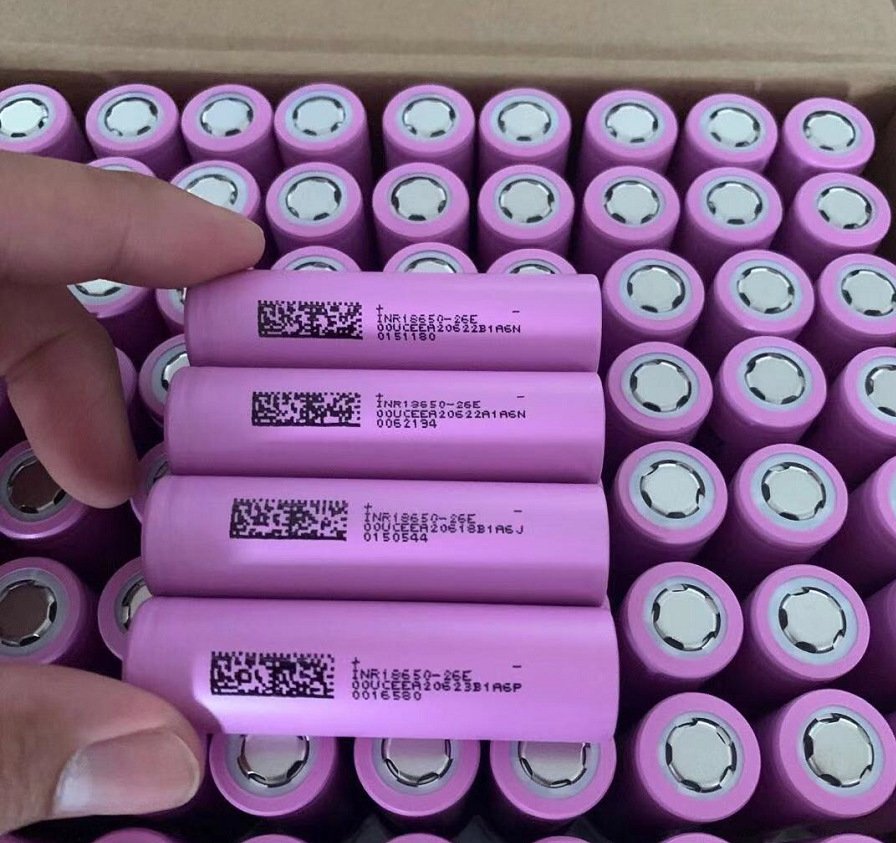
Before diving into the solutions, it is essential to understand the core technology. The “18650” designation refers to the standardized dimensions of the cylindrical cell: 18mm in diameter and 65mm in length. This standardization ensures compatibility with existing manufacturing equipment and tool designs.
The “LFP” refers to the chemistry: Lithium Iron Phosphate. Unlike traditional Lithium Cobalt Oxide (LiCoO2) cells, LFP utilizes an Olivine crystal structure. From a chemistry perspective, this structure provides exceptional thermal and chemical stability. The strong P-O covalent bonds in the phosphate cathode make it far more resistant to thermal runaway—a condition where increasing temperature leads to a destructive self-heating feedback loop.
For engineers, this translates to a “drop-in” upgrade path. You retain the mechanical benefits of the cylindrical format while gaining the electrochemical benefits of phosphate stability.
3. Pain Point 1: Safety and Thermal Management
The Problem:
Heavy-duty power tools generate significant heat during operation. Standard Lithium-ion chemistries are prone to swelling, venting, or even combustion if the internal temperature exceeds safe limits. This forces OEMs to design bulky Battery Management Systems (BMS) and tool casings to dissipate heat, adding weight and cost.
The 18650 LFP Solution:
LFP cells are renowned for their “inherently safe” chemistry. They can withstand temperatures exceeding 270°C before structural breakdown occurs, compared to approximately 150°C for standard Lithium-ion. This high thermal stability means the battery pack remains stable even under extreme stress or short-circuit conditions.
By integrating 18650 LFP cells, OEMs can significantly simplify their thermal management systems. The reduced risk of thermal runaway allows for more compact pack designs without compromising user safety, directly solving the pain point of bulky tool handles.
4. Pain Point 2: Cycle Life and Durability
The Problem:
Power tool batteries are subjected to deep discharge cycles and high current draws. Standard Lithium-ion cells typically degrade after 500-800 charge cycles. For a professional user, this means the battery becomes obsolete long before the tool motor fails, leading to customer dissatisfaction and warranty claims.
The 18650 LFP Solution:
LFP chemistry offers an extended cycle life. A high-quality 18650 LFP cell can achieve over 2,000 to 3,000 charge cycles while retaining 80% of its original capacity. This longevity is due to the stable crystal structure of the phosphate cathode, which does not degrade as rapidly as layered oxide structures during lithium-ion insertion and extraction.
For the OEM, this means the battery pack can match the lifespan of the tool motor. This durability reduces the total cost of ownership for the end-user and enhances the brand’s reputation for reliability.
5. Pain Point 3: Supply Chain and Manufacturing Complexity
The Problem:
Sourcing high-quality, consistent battery cells is a major supply chain headache. OEMs often face long lead times and quality inconsistencies from suppliers who do not specialize in industrial-grade cells. Furthermore, integrating cells into a functional pack requires specialized engineering expertise that many manufacturers lack in-house.
The Complete Solution:
The answer lies in partnering with a manufacturer that offers a “Complete Solution.” This goes beyond just selling cells. It involves:
- Customization: Tailoring the cell specifications (such as the discharge rate or form factor) to the specific torque and runtime requirements of the tool.
- Module Development: Providing pre-assembled modules that are easier to integrate into the final product.
- System Development: Full engineering support for the Battery Management System (BMS) and mechanical housing.
By adopting a complete solution approach, OEMs can offload the complexities of cell chemistry and pack assembly, focusing instead on their core competency: designing the best power tool.
6. Pain Point 4: Environmental Impact and Compliance
The Problem:
With increasing global regulations (such as the EU Battery Directive), OEMs must consider the environmental impact of their products. Standard Lithium-ion batteries contain cobalt, a conflict mineral with significant environmental and ethical mining concerns. Disposal and recycling of these batteries are also complex and costly.
The 18650 LFP Solution:
LFP cells are environmentally superior. They contain no rare earth metals or toxic cobalt. Iron and phosphate are abundant, non-toxic materials. This makes LFP batteries not only safer to produce but also much easier to recycle at the end of their long life.
Adopting LFP technology allows OEMs to meet stringent environmental regulations effortlessly and market their tools as “green” products, appealing to eco-conscious contractors and institutions.
7. Conclusion
For Power Tools OEMs, the shift to 18650 LFP Cylindrical Batteries is not just a technological upgrade; it is a strategic business decision. By solving the critical pain points of safety, cycle life, supply chain complexity, and environmental compliance, this complete solution allows manufacturers to produce lighter, safer, and longer-lasting tools.
The inherent stability of the LFP chemistry removes the guesswork from thermal management, while the standardized 18650 format ensures manufacturing compatibility. By partnering with a specialized battery manufacturer that offers comprehensive R&D and customization support, OEMs can accelerate their time-to-market and deliver a product that stands out in a crowded market.
To explore how a complete 18650 LFP solution can be customized for your specific power tool application, visit our product page or contact our engineering team directly.
- Explore our Cylindrical Battery Cell Range: CNSbattery.com – Cylindrical Battery Cell
- Contact our Engineering Team: CNSbattery.com – Contact Us
- Learn more about our Manufacturing Capabilities: CNSbattery.com – Battery Manufacturers in China