
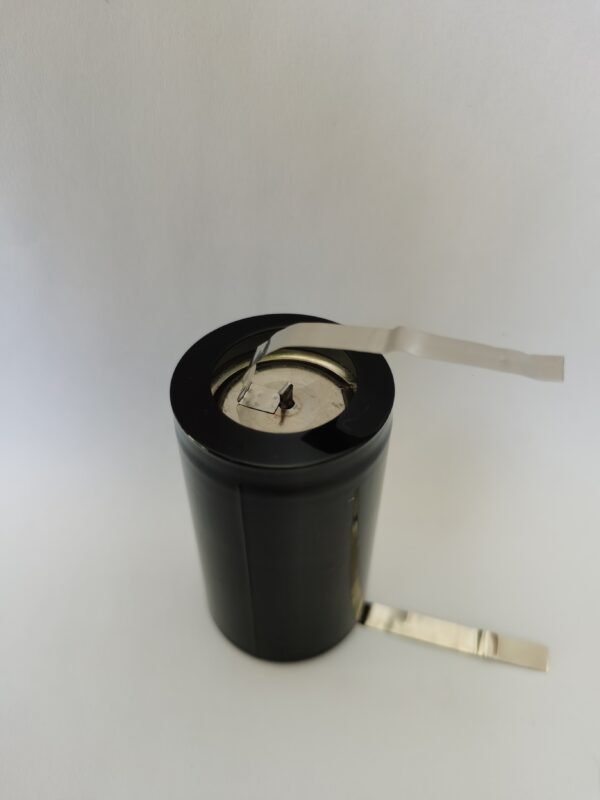
Philippines BPS Certified Li-MnO₂ Battery: Technical Overview and Procurement Guide
Introduction
The Philippines Bureau of Product Standards (BPS) certification represents a critical compliance milestone for lithium manganese dioxide (Li-MnO₂) batteries entering the Philippine market. For engineering teams and technical procurement specialists sourcing primary lithium batteries for industrial, medical, and IoT applications, understanding BPS certification requirements alongside core battery chemistry principles is essential for successful market deployment. This article provides a comprehensive technical breakdown of BPS-certified Li-MnO₂ batteries, their operational principles, and key procurement considerations.
Understanding Li-MnO₂ Battery Chemistry
Li-MnO₂ batteries belong to the primary lithium battery family, utilizing lithium metal as the anode and manganese dioxide as the cathode material. The electrochemical reaction follows this fundamental principle:
Anode: Li → Li⁺ + e⁻
Cathode: MnO₂ + Li⁺ + e⁻ → LiMnO₂
This chemistry delivers a nominal voltage of 3.0V, with exceptional energy density ranging from 280-350 Wh/kg. Unlike rechargeable lithium-ion systems, primary Li-MnO₂ cells offer superior shelf life (10+ years) and operate reliably across extreme temperature ranges (-40°C to +85°C), making them ideal for remote monitoring devices, utility meters, and emergency backup systems.
BPS Certification Requirements for the Philippine Market
The Bureau of Product Standards (BPS), operating under the Department of Trade and Industry (DTI), enforces mandatory product certification for batteries imported into the Philippines. Key compliance elements include:
1. Safety Testing Protocols
BPS certification requires comprehensive safety validation per IEC 60086-4 standards, covering overcharge resistance, short-circuit tolerance, and thermal stability assessments. Certified batteries must demonstrate no leakage, rupture, or fire hazards under defined test conditions.
2. Documentation Requirements
Importers must submit technical files including cell specifications, Material Safety Data Sheets (MSDS), UN 38.3 transport certification, and factory audit reports. All documentation requires notarization and English translation where applicable.
3. Labeling Compliance
BPS-certified batteries must display the Philippine Standard (PS) Quality and/or Safety Mark, manufacturer identification, capacity ratings, and production date codes. Non-compliant labeling results in customs clearance delays.
Technical Advantages for B2B Applications
Extended Service Life
Li-MnO₂ chemistry exhibits minimal self-discharge rates (<1% annually), enabling decade-long deployment without maintenance. This characteristic proves invaluable for infrastructure monitoring systems where battery replacement incurs significant operational costs.
Stable Voltage Profile
The discharge curve maintains approximately 2.8-3.0V throughout 80% of capacity utilization, ensuring consistent performance for voltage-sensitive electronics. This stability contrasts sharply with alkaline alternatives that exhibit progressive voltage decline.
Wide Temperature Performance
Industrial-grade Li-MnO₂ cells operate reliably from -40°C to +85°C, outperforming most primary battery chemistries in extreme environments. This makes them suitable for outdoor telecommunications equipment and tropical climate deployments common throughout Southeast Asia.
Procurement Best Practices
When sourcing BPS-certified Li-MnO₂ batteries for Philippine market deployment, technical buyers should verify:
- Certification Validity: Confirm current BPS certification status with expiration dates
- Batch Traceability: Ensure production lot numbers correspond with certification documentation
- Supply Chain Integrity: Work with authorized distributors maintaining proper storage conditions
- Technical Support: Select suppliers offering application engineering assistance for optimal cell selection
For comprehensive product specifications and certification documentation, visit our primary battery product portfolio. Our engineering team provides technical consultation for BPS compliance pathways and application-specific cell recommendations.
Conclusion
BPS certification for Li-MnO₂ batteries represents more than regulatory compliance—it signals adherence to internationally recognized safety and performance standards. For engineering teams deploying critical systems across the Philippine market, selecting properly certified primary lithium batteries minimizes operational risk while maximizing system reliability. Understanding both the underlying chemistry and certification requirements enables informed procurement decisions that support long-term project success.
For technical inquiries and certification support, contact our specialist team at https://cnsbattery.com/primary-battery-contact-us/. We provide comprehensive documentation packages to streamline your BPS compliance process and ensure seamless market entry.
