
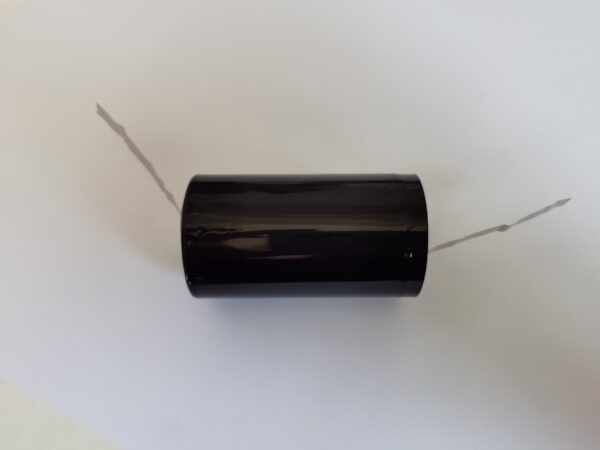
Perimeter Security Sensor Battery | Li-SOCl₂ 10 Year Lifespan
Introduction
Perimeter security systems demand power sources that deliver unwavering reliability over extended deployment periods. Li-SOCl₂ (Lithium Thionyl Chloride) batteries have emerged as the industry-standard solution for perimeter security sensors, offering an exceptional 10-year operational lifespan under typical conditions. For security system integrators, facility managers, and OEMs, selecting the right primary battery technology directly impacts maintenance costs, system uptime, and overall security effectiveness.
Why Li-SOCl₂ Technology Dominates Perimeter Security Applications
Superior Energy Density and Long-Term Stability
Li-SOCl₂ batteries deliver the highest energy density among commercial primary lithium chemistries, reaching up to 590 Wh/kg and 1100 Wh/L. This exceptional energy-to-weight ratio enables compact sensor designs while maintaining decade-long operation. The nominal 3.6V output remains stable throughout most of the discharge cycle, ensuring consistent sensor performance without voltage-related false alarms or communication failures.
Ultra-Low Self-Discharge Rate
Annual self-discharge rates below 1% make Li-SOCl₂ batteries ideal for perimeter security deployments where battery replacement access is limited or costly. This characteristic translates directly into the advertised 10-year lifespan, assuming typical security sensor duty cycles with intermittent transmission patterns.
Extended Temperature Performance
Perimeter security sensors operate in diverse environmental conditions. Li-SOCl₂ chemistry maintains functionality across -55°C to +85°C ranges, outperforming alternative primary battery technologies in extreme climates. This temperature resilience proves critical for outdoor fence-mounted sensors, buried detection cables, and remote monitoring stations.
Technical Considerations for System Designers
Pulse Current Capability
Modern perimeter sensors incorporate wireless communication modules (LoRaWAN, NB-IoT, cellular) requiring high-current pulses during transmission. While Li-SOCl₂ batteries excel at low continuous drains, system designers must account for pulse current specifications. Hybrid designs incorporating supercapacitors or selecting spiral-wound Li-SOCl₂ cells address pulse demands without compromising the 10-year lifespan target.
Voltage Delay Phenomenon
After extended storage or high-temperature exposure, Li-SOCl₂ batteries may exhibit temporary voltage depression upon initial load application. This passivation layer effect typically resolves within seconds but requires consideration in sensor startup sequences and low-voltage alarm thresholds. Quality manufacturers implement controlled passivation processes to minimize this effect.
Capacity Selection Guidelines
Perimeter security sensor battery sizing requires careful analysis of:
- Average daily current consumption (μA)
- Peak pulse current requirements (mA)
- Transmission frequency and duration
- Environmental temperature profiles
- Required safety margin (typically 20-30%)
For standard perimeter sensors drawing 10-50 μA average current with periodic 100-500 mA pulses, capacity ranges from 2.4 Ah to 19 Ah typically achieve the 10-year operational target.
Quality and Safety Compliance
Certification Requirements
Professional perimeter security installations demand batteries meeting international safety standards including UL, IEC 60086-4, and UN 38.3 transportation requirements. Reputable manufacturers provide complete certification documentation supporting regulatory compliance across global markets.
End-of-Service Indicators
Advanced Li-SOCl₂ batteries incorporate voltage-based end-of-service indicators enabling proactive battery replacement scheduling. This feature prevents unexpected sensor failures while maximizing battery utilization within the 10-year design window.
Total Cost of Ownership Advantages
While Li-SOCl₂ batteries carry higher initial costs compared to alkaline alternatives, the 10-year replacement cycle delivers significant long-term savings:
- Reduced maintenance labor costs
- Minimized system downtime
- Lower transportation expenses for remote sites
- Decreased environmental waste from battery disposal
For large-scale perimeter security deployments spanning kilometers of fence line or multiple facility boundaries, these operational savings substantially exceed the initial battery investment premium.
Partner Selection Criteria
When sourcing Li-SOCl₂ batteries for perimeter security applications, evaluate suppliers based on:
- Manufacturing consistency and quality control processes
- Technical support availability for system integration
- Customization capabilities for specific sensor requirements
- Supply chain reliability and lead times
- Comprehensive product documentation and testing data
Conclusion
Li-SOCl₂ battery technology represents the optimal power solution for perimeter security sensors requiring 10-year operational lifespans. The combination of high energy density, minimal self-discharge, wide temperature tolerance, and proven field performance makes this chemistry the definitive choice for professional security installations. System designers and procurement teams should prioritize partnerships with established battery manufacturers who understand perimeter security application requirements and can provide technical support throughout the product lifecycle.
For detailed product specifications and technical consultation on perimeter security sensor battery solutions, visit our primary battery product page. Our engineering team stands ready to support your specific application requirements with customized power solutions.
To discuss your perimeter security power requirements directly or request sample evaluations, please contact us for personalized technical assistance and quotation support.
