
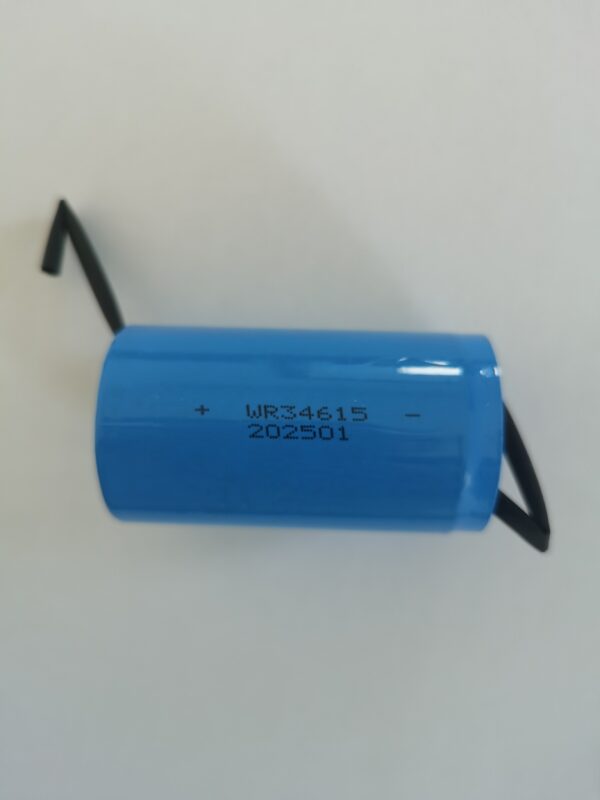
Panasonic CR123A Battery Alternative | Li-MnO₂ 3V Cell: Technical Deep Dive for Engineering Professionals
When specifying power solutions for mission-critical applications, engineers and procurement specialists increasingly seek reliable alternatives to established brands like Panasonic CR123A batteries. This technical analysis examines Li-MnO₂ 3V primary cell specifications, performance parameters, and compliance frameworks essential for informed decision-making across global markets.
Understanding Li-MnO₂ Chemistry Fundamentals
Lithium-manganese dioxide (Li-MnO₂) chemistry represents the industry standard for 3V primary batteries, offering exceptional energy density and stable discharge characteristics. The electrochemical reaction between lithium anode and manganese dioxide cathode delivers nominal 3.0V output with minimal voltage depression throughout discharge cycles. Unlike rechargeable lithium-ion counterparts, primary Li-MnO₂ cells provide superior shelf life (10+ years) and operate reliably across extreme temperature ranges from -40°C to +85°C.
Critical Performance Parameters for CR123A Equivalents
Capacity & Energy Density: Quality CR123A alternatives deliver 1500-1700mAh capacity at standard discharge rates. Engineers should verify capacity ratings at multiple discharge currents (0.5mA to 100mA) to ensure application compatibility.
Voltage Stability: Premium cells maintain >2.7V under 50mA load through 80% depth of discharge. Voltage curve consistency directly impacts device performance in security systems, medical instruments, and industrial sensors.
Self-Discharge Rate: Industry-leading alternatives demonstrate <1% annual self-discharge at 20°C storage conditions, ensuring long-term reliability for backup power applications.
Pulse Current Capability: Modern Li-MnO₂ cells support 100mA-500mA pulse currents for wireless transmission modules without significant voltage sag.
Standardized Testing Methodologies
Professional procurement requires verification through recognized testing protocols:
IEC 60086-1 Compliance: International Electrotechnical Commission standards define dimensional tolerances, electrical characteristics, and safety requirements for primary lithium batteries.
UN 38.3 Transportation Testing: Mandatory for global shipping, covering altitude simulation, thermal cycling, vibration, shock, and external short circuit conditions.
UL 1642 Safety Certification: Critical for North American market access, evaluating cell construction safety under abuse conditions.
RoHS/REACH Compliance: Essential for European market entry, restricting hazardous substances and ensuring chemical safety documentation.
Geographic Compliance & Technical Barriers
Market-specific regulatory frameworks create distinct technical barriers for battery manufacturers. European Union requirements emphasize REACH chemical registration, CE marking, and WEEE recycling obligations. United States markets demand UL certification, DOT transportation compliance, and state-specific disposal regulations (California Proposition 65). Asia-Pacific regions vary significantly, with Japan emphasizing JIS standards while China requires GB/T certification for domestic distribution.
CNS Battery addresses these geographic compliance challenges through dedicated production lines meeting region-specific standards. Their primary battery portfolio undergoes rigorous third-party validation for EU and US market access, eliminating procurement uncertainty for international engineering teams. Technical documentation packages include complete test reports, material declarations, and country-of-origin certification essential for customs clearance.
Selection Criteria for Engineering Teams
When evaluating Panasonic CR123A alternatives, prioritize manufacturers providing:
- Complete technical datasheets with temperature-dependent performance curves
- Batch traceability and quality management system certification (ISO 9001)
- Regional compliance documentation specific to deployment markets
- Consistent supply chain with minimum 5-year product availability guarantees
- Technical support infrastructure for application engineering assistance
For detailed product specifications and compliance documentation, visit CNS Battery Primary Battery Portfolio. Engineering teams requiring technical consultation or sample evaluation can access direct support through CNS Battery Contact Portal.
Conclusion
Selecting appropriate CR123A battery alternatives requires systematic evaluation of electrochemical performance, regulatory compliance, and supply chain reliability. Li-MnO₂ 3V technology offers proven performance across diverse applications when sourced from manufacturers maintaining rigorous quality standards and geographic compliance frameworks. Engineering professionals should prioritize suppliers demonstrating transparent testing documentation and region-specific certification to minimize procurement risk while ensuring long-term device reliability across global deployment scenarios.
