
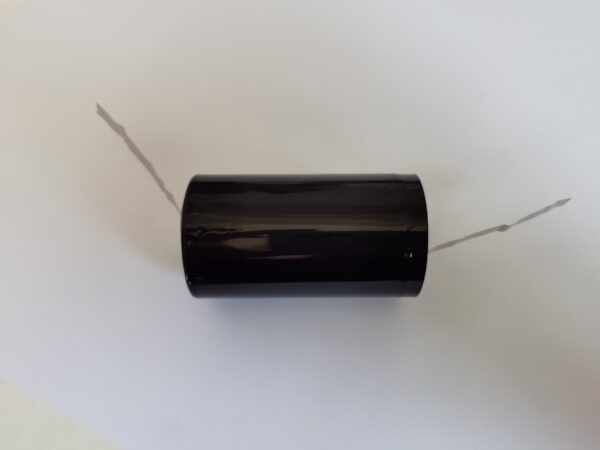
Over-Discharge Protected Li-SOCl₂ Battery: Technical Excellence for Industrial Applications
Lithium Thionyl Chloride (Li-SOCl₂) batteries represent the pinnacle of primary battery technology, delivering exceptional energy density up to 590 Wh/kg and operating voltages of 3.6V. However, without proper over-discharge protection, these high-performance cells face premature degradation and potential safety risks. This article examines the critical importance of over-discharge protection mechanisms in Li-SOCl₂ batteries for industrial B2B applications across Europe, North America, and global markets.
Understanding Li-SOCl₂ Battery Chemistry
Li-SOCl₂ batteries consist of a lithium anode, carbon cathode, and non-aqueous SOCl₂ electrolyte with LiAlCl₄ salt. The fundamental electrochemical reaction follows: 4Li + 2SOCl₂ → 4LiCl↓ + S + SO₂. Thionyl chloride serves dual functions as both electrolyte and cathode active material, enabling superior energy storage capacity compared to other primary battery chemistries.
The battery’s spiral-wound or bobbin-type construction determines discharge characteristics. Bobbin-type cells excel in low-current, long-duration applications such as utility metering and security systems, while spiral-wound variants support higher pulse currents for IoT devices and automotive telemetry systems.
Over-Discharge Protection Mechanisms
Over-discharge occurs when battery voltage drops below safe operational thresholds, typically beneath 2.0V for Li-SOCl₂ chemistry. This condition accelerates internal resistance growth, causes voltage delay phenomena, and may trigger irreversible capacity loss. Advanced protection circuits employ multiple strategies:
Voltage Monitoring Systems: Integrated circuits like the BQ35100 implement End-of-Service (EOS) detection, continuously tracking battery impedance and voltage sag under load. When predetermined thresholds are exceeded, the system disconnects the load to prevent deep discharge.
Current-Limiting Protection: Adaptive power optimization devices regulate constant battery load current between 2mA to 16mA, preventing excessive current draw that accelerates voltage depression. Brown-out protection safeguards against transient voltage dips during high-pulse operations.
Temperature Compensation: Protection circuits account for temperature-dependent voltage characteristics, ensuring accurate discharge cutoff across operating ranges from -40°C to +85°C, critical for outdoor industrial installations.
Industrial Applications and Regional Compliance
Li-SOCl₂ batteries with over-discharge protection serve demanding applications including:
- Smart Utility Metering: AMR/AMI systems require 15-20 year operational lifespans with reliable backup power
- Medical Devices: Implantable and portable medical equipment demand fail-safe power management
- Automotive Telemetry: AEC-Q100 qualified components ensure automotive-grade reliability
- Security Systems: Alarm and wireless security devices need uninterrupted power availability
Regional Compliance Requirements:
European markets require adherence to CE marking directives, RoHS compliance, and REACH regulations. North American installations must satisfy UL certification standards and UN38.3 transportation testing for lithium battery safety. Industrial customers in Germany, France, and the United Kingdom prioritize suppliers with ISO 9001 quality management systems and documented traceability.
For IoT deployments across North America and Europe, battery manufacturers must provide comprehensive Safety Data Sheets (SDS) and UN38.3 test summaries. Automotive applications additionally require AEC-Q100 Grade 3 qualification for components operating between -40°C to +85°C.
BMS Integration for Primary Batteries
Unlike rechargeable lithium-ion systems, primary Li-SOCl₂ batteries require specialized Battery Management System (BMS) approaches focused on discharge monitoring rather than charge control. Modern BMS solutions incorporate:
- Impedance Tracking: Measures internal resistance growth to predict remaining capacity
- Load Disconnection: MOSFET-based switching isolates batteries when voltage thresholds are breached
- Data Logging: Records discharge history for predictive maintenance scheduling
- Communication Interfaces: I2C, SPI, or UART connectivity enables integration with host microcontrollers
Advanced BMS chips support configuration through programming tools, allowing customization of voltage thresholds, current limits, and EOS detection parameters specific to application requirements.
CNS BATTERY: Your Trusted Primary Battery Partner
CNS BATTERY specializes in manufacturing premium over-discharge protected Li-SOCl₂ batteries engineered for global industrial applications. Our product portfolio encompasses bobbin-type and spiral-wound configurations with integrated protection circuits, delivering reliable performance across utility metering, medical devices, automotive systems, and IoT deployments.
Key Advantages:
- Global Compliance: UN38.3 certified, CE marked, and RoHS compliant products ready for European and North American markets
- Extended Service Life: Advanced over-discharge protection extends operational lifespan to 20+ years in low-drain applications
- Technical Support: Engineering team provides BMS integration assistance and application-specific customization
- Quality Assurance: ISO 9001 certified manufacturing with full traceability and batch documentation
For industrial buyers seeking reliable primary battery solutions with comprehensive over-discharge protection, CNS BATTERY delivers technical excellence backed by global compliance certifications. Our team understands regional regulatory requirements across Europe, North America, and Asia-Pacific markets, ensuring seamless integration into your products.
Explore our complete range of primary battery solutions at https://cnsbattery.com/primary-battery/ and contact our technical sales team at https://cnsbattery.com/primary-battery-contact-us/ for application-specific recommendations and compliance documentation.
Targeting industrial buyers in Germany, United Kingdom, France, United States, and Canada seeking UN38.3 compliant Li-SOCl₂ batteries with over-discharge protection for utility metering, medical devices, and automotive telemetry applications.
