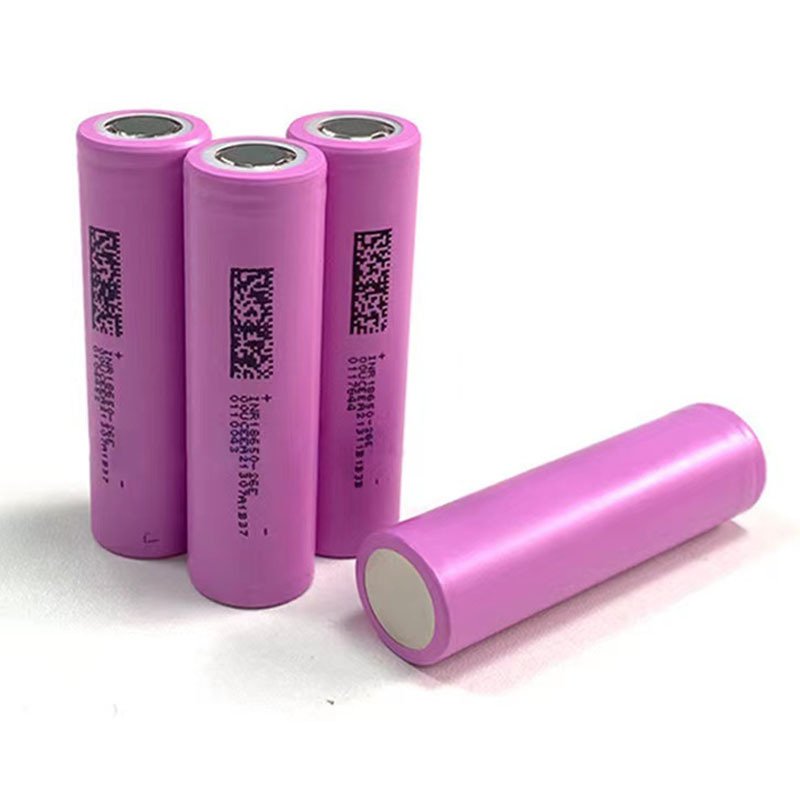
OEM Customization 18650 LFP Cells for EV – vs Competitors
In the rapidly evolving electric vehicle (EV) and energy storage market, the choice of battery chemistry and form factor is no longer a one-size-fits-all decision. While the industry often shifts focus toward novel “4680” or “2170” formats, the 18650 cylindrical cell remains a stalwart engineering solution for specific high-reliability and high-performance applications.
However, the landscape is shifting. Original Equipment Manufacturers (OEMs) are increasingly scrutinizing the Total Cost of Ownership (TCO) and safety margins of their battery systems. This has led to a significant pivot from traditional NMC (Nickel Manganese Cobalt) chemistries toward LFP (Lithium Iron Phosphate), specifically in the 18650 format.
This article dissects the technical and economic rationale behind choosing OEM Customization 18650 LFP Cells for your next EV project, comparing them against traditional NMC 18650s and the broader market competition.
The Technical Shift: Why 18650 LFP is Gaining Traction
Historically, 18650 cells were dominated by NMC or Cobalt-based chemistries due to their high energy density. However, these chemistries come with thermal instability risks and high raw material costs.
The introduction of LFP chemistry into the 18650 format represents a strategic compromise. While LFP has a slightly lower energy density than NMC, it offers superior thermal runaway resistance and a significantly longer cycle life. For OEMs building entry-level EVs, e-bikes, or industrial logistics vehicles, this translates to a safer, more durable, and ultimately cheaper product.
Head-to-Head: 18650 LFP vs. The Competition
To understand the value proposition, let’s compare 18650 LFP against its primary competitors in the OEM market.
1. 18650 LFP vs. Standard 18650 NMC
| Feature | Standard 18650 NMC | OEM Custom 18650 LFP | Competitive Advantage |
|---|---|---|---|
| Thermal Stability | Moderate (Risk of thermal runaway at high temps) | Excellent (Stable up to 270°C+) | LFP wins for safety-critical applications. |
| Cycle Life | 500 – 1,000 cycles | 3,000 – 6,000+ cycles | LFP drastically reduces lifetime maintenance costs. |
| Raw Material Cost | High (Cobalt & Nickel price volatility) | Low (Iron & Phosphate are abundant) | LFP offers a lower TCO and better price stability. |
| Low-Temp Performance | Better than LFP | Requires BMS optimization | NMC has an edge in extreme cold, but LFP is improving. |
2. 18650 LFP vs. Prismatic/Pouch LFP
While larger prismatic or pouch LFP cells dominate the automotive sector, the 18650 format holds distinct advantages:
- Thermal Management: The small size and high surface-area-to-volume ratio of 18650 cells allow for more efficient heat dissipation compared to large-format pouches, which are prone to internal hot spots.
- Mechanical Robustness: The steel/aluminum can of a cylindrical cell provides inherent structural integrity, reducing the need for complex external casing in the battery pack.
- Manufacturing Maturity: The 18650 production line is the most mature in the lithium-ion industry, leading to lower defect rates and higher consistency.
The “OEM Customization” Factor: Beyond the Standard Spec
Choosing a standard off-the-shelf 18650 LFP cell often means compromising on your specific voltage, discharge rate, or physical constraints. This is where OEM Customization becomes the ultimate differentiator.
Generic cells are designed for the “average” device. OEM Custom 18650 LFP cells are engineered for your specific vehicle architecture.
Key Areas of Customization:
- Discharge Rate Tuning: Not all EVs require the same power. A heavy-duty logistics scooter needs high continuous discharge, while a shared e-bike prioritizes energy density. Customization allows tuning the internal resistance for optimal performance.
- Form Factor & Tab Design: While the outer dimensions remain standardized (18mm x 65mm), the internal tab configuration and welding points can be modified to fit your specific busbar design, reducing assembly complexity.
- BMS Integration: Custom cells can be paired with proprietary Battery Management Systems (BMS) that are calibrated specifically for the LFP voltage curve, ensuring maximum utilization of the battery’s capacity without over-discharging.
Addressing the OEM Pain Points: Cost and Supply Chain
For any OEM, the decision to switch or adopt a new cell technology hinges on two pillars: Cost Control and Supply Chain Security.
- Raw Material Independence: By utilizing LFP chemistry, OEMs insulate themselves from the volatile prices of Nickel and Cobalt. Iron and Phosphate are not only cheaper but are also geopolitically stable resources.
- Longevity Reduces Warranty Claims: The extended cycle life of LFP cells (often exceeding 3000 cycles at 80% capacity retention) means fewer warranty replacements. For a fleet operator or an EV manufacturer, this is a direct reduction in post-sale liabilities.
- Logistical Efficiency: The standardized size of the 18650 allows for highly automated assembly lines. Customization at the cell level ensures that the “pack” assembly remains simple, reducing labor costs.
Why Partner with a Specialized Manufacturer?
Navigating the transition to custom 18650 LFP requires a partner with deep R&D capabilities and manufacturing rigor. It is not merely about producing a cell; it is about co-engineering a power solution that fits your specific geographic market requirements and performance targets.
Choosing a manufacturer that offers true OEM customization ensures that you are not just buying a battery, but investing in a tailored energy asset.
If you are evaluating 18650 LFP cells for your next project and need a solution that balances safety, longevity, and cost, exploring a partnership with a dedicated battery manufacturer is the next step.
Expert Insight: The future of EVs isn’t just about bigger batteries; it’s about smarter chemistry. LFP in the 18650 format offers a “Goldilocks Zone” of safety and cost-effectiveness for the global market.
For OEMs seeking to optimize their battery supply chain, we invite you to explore our comprehensive range of Cylindrical Battery Cells and discuss how our R&D team can tailor a solution for your specific application.
Explore our 18650, 21700, and 32700 solutions designed for the global market:
👉 Explore Our Cylindrical Battery Cell Range
Connect with our engineering team to discuss your custom OEM requirements:
📞 Contact Us for OEM Customization
Learn more about partnering with a leading China battery manufacturer:
Learn More About Our Manufacturing Capabilities