
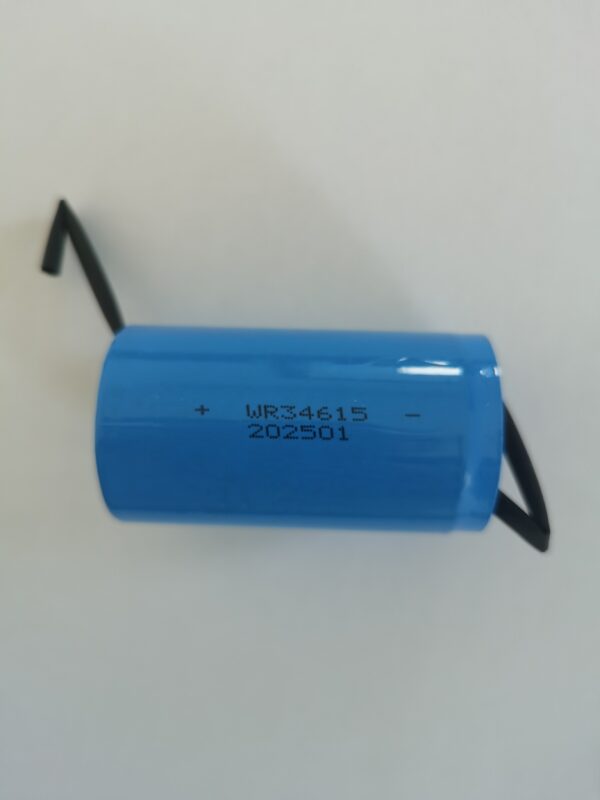
ODM Li-S Battery Pack for Satellite Subsystem Manufacturers
The aerospace industry stands at a critical inflection point where power density, reliability, and mission longevity define satellite subsystem performance. As satellite manufacturers push the boundaries of low Earth orbit (LEO), medium Earth orbit (MEO), and deep space missions, Lithium-Sulfur (Li-S) battery technology emerges as the definitive power solution for next-generation satellite platforms. This technical analysis examines why ODM Li-S battery packs represent the optimal choice for satellite subsystem manufacturers seeking competitive advantage in the evolving space economy.
Technical Advantages of Li-S Battery Chemistry for Space Applications
Lithium-Sulfur batteries deliver unprecedented theoretical energy density of approximately 2,600 Wh/kg, significantly surpassing conventional lithium-ion architectures limited to 150-250 Wh/kg. For satellite subsystem manufacturers, this translates to substantial mass reduction—critical when launch costs remain approximately $2,000-10,000 per kilogram to LEO.
The fundamental electrochemical reaction utilizes sulfur as the cathode material with a specific capacity reaching 1,675 mAh/g, paired with lithium metal anode. This chemistry enables practical energy densities of 400-500 Wh/kg in production configurations, providing 2-3x improvement over traditional Li-ion satellite batteries.
Key Technical Specifications:
- Operating Temperature Range: -40°C to +85°C (space-qualified)
- Cycle Life: 500-1,000 cycles (mission-dependent configuration)
- Self-Discharge Rate: <2% per month at 25°C
- Voltage Platform: 2.1V nominal per cell
- Radiation Tolerance: Engineered for space environment exposure
Addressing Space-Specific Engineering Challenges
Satellite subsystems operate in extreme environments where conventional battery technologies face significant limitations. Li-S battery packs engineered for aerospace applications incorporate specialized design features:
Thermal Management: Space-qualified Li-S packs integrate advanced thermal interface materials and passive radiation cooling systems. The battery management system (BMS) maintains optimal operating temperatures during eclipse periods and peak power demand cycles.
Radiation Hardening: Electronic components within the battery pack undergo radiation hardening processes to withstand total ionizing dose (TID) exposure typical of orbital operations. This ensures reliable performance throughout mission duration without degradation from cosmic radiation.
Polysulfide Shuttle Mitigation: Advanced electrolyte formulations and cathode host structures minimize polysulfide dissolution, addressing the primary degradation mechanism in Li-S chemistry. This engineering solution extends cycle life while maintaining energy density advantages.
ODM Service Capabilities for Satellite Manufacturers
Original Design Manufacturing (ODM) partnerships provide satellite subsystem manufacturers with customizable battery solutions aligned with specific mission requirements. Professional ODM providers deliver:
Custom Form Factor Design: Battery packs engineered to fit existing satellite bus architectures without requiring structural modifications. This includes cylindrical, prismatic, and pouch cell configurations optimized for volume utilization.
Integrated Battery Management Systems: Space-qualified BMS with telemetry capabilities, cell balancing, state-of-charge estimation, and fault detection. Communication protocols compatible with standard satellite data buses (CAN, RS-485, SpaceWire).
Mission-Specific Configuration: Power capacity, discharge rates, and redundancy levels tailored to mission profiles—from cubesat applications to large communication satellite platforms.
Regulatory Compliance: Manufacturing processes adhering to AS9100 aerospace quality standards, with full traceability and documentation for launch provider requirements.
Application Scenarios in Satellite Subsystems
Li-S battery packs serve critical functions across multiple satellite subsystem categories:
Attitude Control Systems: Providing burst power for reaction wheels and control moment gyroscopes during orbital maneuvers. High power density enables rapid response without mass penalty.
Communication Payloads: Supporting high-power transmission during ground station passes while maintaining low self-discharge during idle periods. Energy density advantages extend operational lifetime.
Scientific Instruments: Delivering stable power for sensitive measurement equipment with minimal electromagnetic interference. Li-S chemistry produces lower thermal signatures compared to alternatives.
Emergency Backup Power: Maintaining critical subsystems during extended eclipse periods or solar array anomalies. Reliability characteristics meet mission-critical requirements.
Quality Assurance and Testing Protocols
Aerospace-grade Li-S battery packs undergo rigorous validation testing before deployment:
- Vibration testing per MIL-STD-810G standards
- Thermal vacuum cycling simulating orbital conditions
- Electromagnetic compatibility (EMC) verification
- Accelerated life testing for mission duration validation
- Failure mode and effects analysis (FMEA)
Manufacturers partnering with experienced ODM providers gain access to comprehensive test data and certification documentation required by launch service providers and insurance underwriters.
Economic Considerations for Satellite Programs
While Li-S battery technology commands premium pricing compared to conventional Li-ion solutions, total mission economics favor adoption when considering:
- Reduced launch mass lowering overall mission costs
- Extended operational life increasing revenue potential
- Lower replacement frequency for constellation deployments
- Competitive advantage in bid proposals requiring advanced capabilities
The global Li-S battery market for aerospace applications continues expansion, with 2026 projections exceeding significant growth trajectories as technology maturity increases and production scales.
Partnership Opportunities
Satellite subsystem manufacturers evaluating Li-S battery integration benefit from engaging established ODM partners with proven aerospace delivery records. Technical collaboration during design phases ensures optimal integration while minimizing development timelines.
For detailed technical specifications, customization options, and engineering consultation, explore our comprehensive primary battery product portfolio. Our engineering team supports satellite manufacturers from concept through production, delivering battery solutions that meet rigorous space industry requirements.
Contact our aerospace division to discuss your specific mission requirements and receive customized proposals aligned with your program timeline and budget constraints. Visit our contact page to initiate technical discussions with our battery engineering specialists.
This technical analysis reflects current Li-S battery capabilities for aerospace applications as of 2026. Specifications subject to customization based on mission requirements and environmental conditions.
