
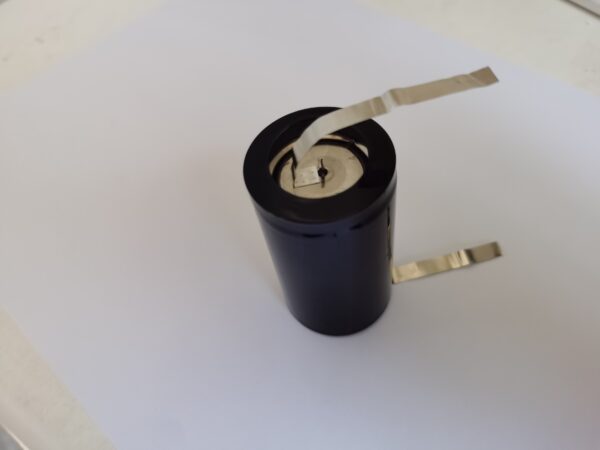
Nigeria NAFDAC Approved Li-MnO₂ Medical Battery: Technical Compliance & Performance Analysis
In the rapidly evolving landscape of medical technology across West Africa, power reliability is not merely a convenience—it is a critical safety parameter. For engineers and technical procurement specialists sourcing components for the Nigerian market, the Nigeria NAFDAC Approved Li-MnO₂ Medical Battery represents a cornerstone of regulatory compliance and operational safety. The National Agency for Food and Drug Administration and Control (NAFDAC) enforces stringent standards to ensure that medical devices, including their power sources, meet rigorous safety and performance criteria. This article provides a deep technical拆解 (breakdown) of Lithium Manganese Dioxide (Li-MnO₂) primary batteries within this regulatory framework, analyzing their chemical advantages, testing protocols, and global interoperability.
The Critical Role of NAFDAC Certification in Medical Power Systems
NAFDAC certification for medical batteries is more than a customs clearance formality; it is a validation of safety and reliability. In Nigeria, medical devices ranging from portable glucose monitors to implantable telemetry units require power sources that guarantee zero leakage and stable voltage output over extended periods. A NAFDAC Approved Li-MnO₂ Medical Battery signifies that the cell has undergone scrutiny regarding its chemical stability, casing integrity, and environmental safety. For procurement teams, this approval mitigates the risk of device failure in regions where maintenance logistics can be challenging. It ensures that the battery chemistry aligns with local health safety regulations, preventing potential hazards associated with substandard lithium cells.
Technical Principles of Li-MnO₂ Chemistry
At the core of these approved power sources lies the Lithium Manganese Dioxide (Li-MnO₂) chemistry, typically designated as the CR series (e.g., CR2032, CR123A). This primary battery technology utilizes lithium metal as the anode and manganese dioxide as the cathode, with an organic electrolyte facilitating ion transfer.
Key Technical Advantages:
- High Energy Density: Li-MnO₂ cells offer one of the highest energy densities among primary batteries, crucial for compact medical devices where space is premium.
- Stable Voltage Profile: The nominal voltage of 3.0V remains stable throughout most of the discharge cycle. This is vital for medical sensors that require consistent power to maintain calibration and data accuracy.
- Low Self-Discharge: With a self-discharge rate of less than 1% per year under ambient conditions, these batteries support long shelf-life requirements, often exceeding 10 years. This is particularly important for emergency medical stockpiles in Nigeria.
- Wide Temperature Range: Operational stability from -40°C to +85°C ensures functionality in varying climatic conditions, from air-conditioned hospitals to field deployments.
Parameter Advantages and Safety Mechanisms
For a battery to achieve NAFDAC approval, it must demonstrate superior safety mechanisms beyond standard commercial grades. Medical-grade Li-MnO₂ batteries incorporate multiple layers of protection:
- Leakage Resistance: Advanced sealing technologies, such as laser-welded stainless steel casings, prevent electrolyte leakage which could damage sensitive medical circuitry.
- Current Interrupt Device (CID): Internal safety vents activate if internal pressure exceeds safe limits, preventing rupture or thermal runaway.
- PTC (Positive Temperature Coefficient): Some configurations include a PTC thermistor to limit current during short-circuit events, protecting both the battery and the medical device.
Procurement specialists should verify that the specific part numbers supplied meet IEC 60086-4 standards for safety, which often underpins local regulatory approvals like NAFDAC.
Testing Methods and Regulatory Compliance
Verifying the authenticity and performance of a Nigeria NAFDAC Approved Li-MnO₂ Medical Battery requires adherence to standardized testing methods. Manufacturers must provide test reports covering:
- Electrical Performance: Capacity tests under specific load conditions (e.g., 6.2kΩ discharge) to verify mAh ratings.
- Environmental Testing: Exposure to high humidity (90% RH) and temperature cycling to ensure seal integrity.
- Transport Safety: UN38.3 certification is mandatory for air freight, ensuring the batteries can withstand vibration, shock, and pressure changes during import into Lagos or Abuja.
NAFDAC inspectors often cross-reference these international test reports with local sampling. Therefore, transparency in documentation is key for market entry.
Global Technical Barriers and CNS Product Adaptability
While NAFDAC compliance is essential for Nigeria, top-tier manufacturers design their products to meet a convergence of global standards. This is where CNS Battery demonstrates significant technical barriers and adaptability. A robust supply chain requires batteries that are not only compliant in West Africa but also align with EU (CE, IEC) and US (UL, FDA registered facilities) technical standards.
CNS Battery’s primary lithium battery lineup is engineered to transcend regional limitations. By adhering to strict international quality management systems, CNS products ensure that a battery approved for Nigeria is inherently capable of meeting the rigorous demands of European medical device regulations (MDR) and American safety standards. This global compatibility reduces the complexity for multinational healthcare providers managing inventory across different regions. It ensures that the technical performance—whether in voltage stability or safety features—remains consistent regardless of the deployment location.
For engineers evaluating long-term partnerships, the ability of a supplier to navigate multiple regulatory landscapes indicates a higher maturity in R&D and quality control. CNS Battery’s commitment to these standards ensures that their Li-MnO₂ cells are not just compliant, but optimized for high-reliability medical applications globally.
Conclusion
Selecting the right power source for medical devices in Nigeria requires a balance of local regulatory compliance and international technical excellence. The Nigeria NAFDAC Approved Li-MnO₂ Medical Battery stands as a testament to safety, reliability, and chemical stability. By understanding the underlying Li-MnO₂ principles and the rigorous testing required for approval, procurement teams can make informed decisions that safeguard patient health and device integrity.
For detailed technical specifications, certification documents, or to discuss custom medical battery solutions that meet both Nigerian and international standards, please visit our product page at https://cnsbattery.com/primary-battery/. Our engineering team is ready to support your compliance needs. To initiate a direct inquiry or request a sample for validation testing, contact us via https://cnsbattery.com/primary-battery-contact-us/. Ensuring power reliability starts with choosing a partner who understands the gravity of medical compliance.
