
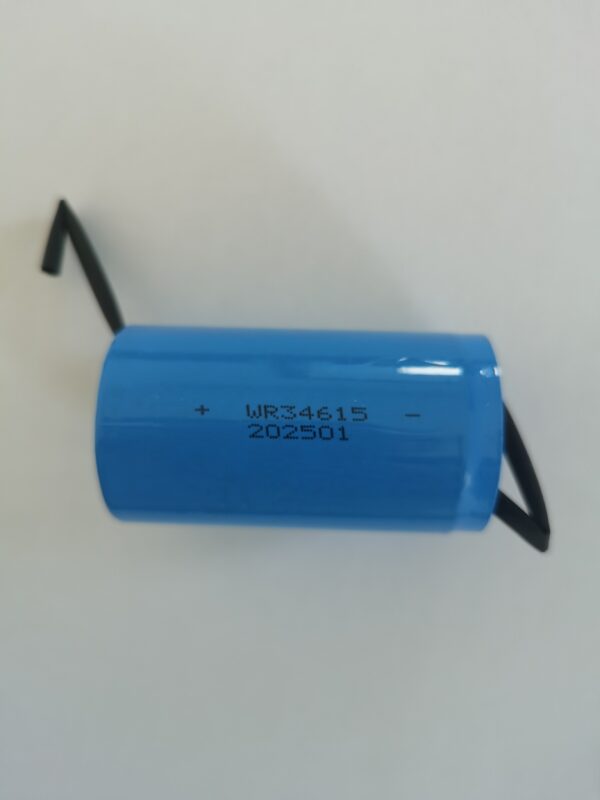
Murata CR1632 3V Li-MnO₂ Battery Replacement: A Professional Sourcing Guide for 2026
In the global electronics supply chain, the discontinuation or scarcity of specific cell models often necessitates strategic pivots in component sourcing. For procurement managers and design engineers relying on the Murata CR1632 3V Li-MnO₂ battery, finding a reliable replacement is not merely about matching dimensions; it is about ensuring electrochemical compatibility, long-term stability, and regulatory compliance. As we navigate the manufacturing landscape of 2026, the demand for high-reliability primary lithium batteries remains critical across industries ranging from automotive keyless entry systems to medical telemetry devices. This article provides a technical deep-dive into replacing Murata CR1632 units with equivalent high-grade alternatives, focusing on the Li-MnO₂ chemistry that defines this standard.
Understanding the CR1632 Technical Baseline
The CR1632 is a coin-type lithium manganese dioxide (Li-MnO₂) primary battery. The nomenclature itself adheres to IEC 60086 standards, where “C” denotes the lithium-manganese dioxide chemistry, “R” indicates the round shape, “16” represents a diameter of 16.0mm, and “32” signifies a height of 3.2mm. The nominal voltage is 3.0V, with a typical capacity ranging between 120mAh and 125mAh depending on the discharge rate and manufacturer specifications.
When evaluating a replacement for Murata-branded cells, which are renowned for their consistency and low self-discharge rates, the alternative must meet strict electrochemical criteria. The Li-MnO₂ system is preferred over other chemistries for its flat discharge curve, wide operating temperature range (typically -20°C to +60°C, with some industrial grades reaching +85°C), and ten-year shelf life. For B2B buyers, the critical parameters to verify in a replacement cell include the internal impedance, pulse current capability, and leakage resistance. A substandard replacement may match the physical dimensions but fail under load, leading to device malfunction in critical applications such as tire pressure monitoring systems (TPMS) or glucometers.
Key Considerations for Industrial Replacement
1. Electrochemical Consistency and Voltage Stability
Murata batteries are often specified in designs due to their stable voltage profile throughout the discharge cycle. When sourcing replacements, it is imperative to request discharge curve data from the supplier. A high-quality CR1632 replacement should maintain a voltage above 2.8V for the majority of its discharge life under standard load conditions (e.g., 0.1mA to 0.2mA continuous drain). Deviations in voltage stability can reset microcontrollers or cause data loss in memory backup applications. Professional suppliers should provide technical datasheets that align with IEC standards, ensuring the replacement behaves identically to the original Murata specification in circuit.
2. Safety Certifications and Compliance
In 2026, regulatory scrutiny on battery imports has intensified, particularly in the European Union and North America. A viable replacement must carry relevant safety certifications such as UL, CE, and UN38.3 for transportation. The Li-MnO₂ chemistry is generally stable, but manufacturing defects can lead to leakage or venting. Procurement teams should prioritize manufacturers who adhere to ISO 9001 quality management systems. For detailed compliance documentation and to verify specific certification status for your region, visiting the primary battery product page is essential to review the available technical portfolios that meet international shipping and safety standards.
3. Supply Chain Reliability and Customization
Reliance on a single brand like Murata can introduce supply chain risks. Diversifying with a qualified alternative manufacturer ensures business continuity. However, the replacement provider must offer consistent batch-to-batch quality. Some applications may require customizations, such as solder tabs, wire leads, or specific packaging for automated assembly lines. A professional battery partner should be capable of providing these value-added services without compromising the cell’s integrity. The sealing technology, typically laser welding, must be robust to prevent electrolyte leakage over the device’s lifespan.
Technical Validation for Engineering Teams
For engineering teams validating a new supplier, the following tests are recommended before full-scale adoption:
- Open Circuit Voltage (OCV) Check: Ensure OCV is consistently between 3.2V and 3.3V upon receipt.
- Load Test: Apply a resistive load matching the device’s peak current demand to verify voltage drop does not exceed 0.1V.
- High-Temperature Storage: Store samples at 60°C for two weeks to check for leakage or capacity loss, simulating long-term aging.
- Dimensional Inspection: Verify the height is strictly within the 3.2mm tolerance to avoid mechanical fit issues in tight battery compartments.
These validation steps mitigate the risk of field failures. It is crucial to partner with a supplier who understands these technical nuances and can support the validation process with sample data and engineering consultation.
Strategic Sourcing for Global Markets
The landscape for primary lithium batteries is shifting towards more sustainable and traceable manufacturing processes. Buyers in Europe, the Americas, and Asia-Pacific regions should look for partners who can provide clear documentation on material sourcing and end-of-life disposal guidelines. Geo-specific SEO and supply chain localization are also becoming relevant; having a supplier with a global logistics network reduces lead times and carbon footprint.
For businesses seeking a robust alternative to Murata CR1632 cells, the focus should remain on technical equivalence and supplier reliability. A professional partner will not only supply the cell but also offer insights into optimizing battery life for your specific application. Whether you are manufacturing smart meters, medical devices, or consumer electronics, the battery is a critical component that defines product reliability.
To discuss specific technical requirements, request samples, or explore bulk procurement options for CR1632 and other primary lithium batteries, direct communication with the engineering team is recommended. You can reach out via the contact us page to initiate a conversation with specialists who understand the intricacies of Li-MnO₂ technology and global compliance standards.
Conclusion
Replacing a Murata CR1632 battery requires more than a simple cross-reference; it demands a thorough understanding of lithium manganese dioxide chemistry, application demands, and regulatory environments. By prioritizing voltage stability, safety certifications, and supply chain resilience, B2B buyers can secure a replacement solution that maintains or even enhances product performance. As the industry moves forward in 2026, partnering with a technically proficient manufacturer ensures that your devices remain powered reliably, safeguarding your brand reputation and customer trust.
