
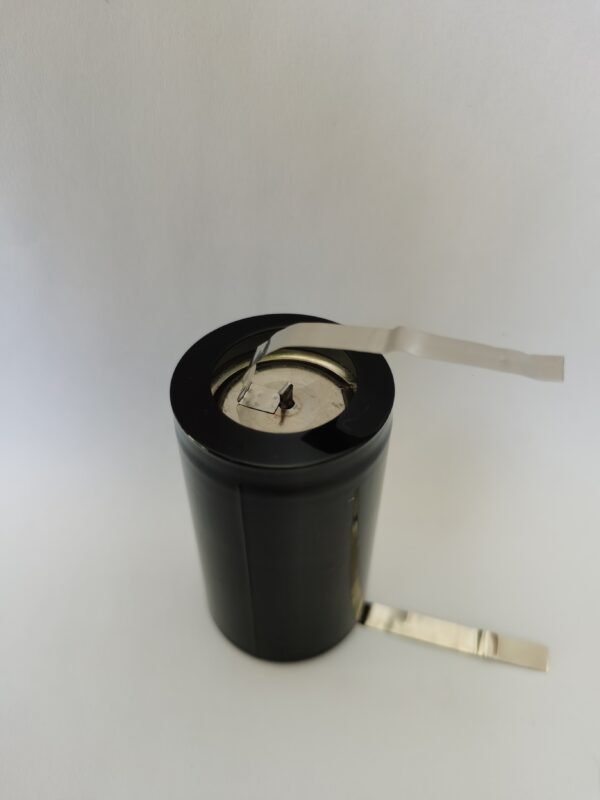
MSDS Certified Primary Lithium Battery | Global Shipping Ready
For engineers and technical procurement specialists sourcing reliable power solutions, the phrase “MSDS Certified Primary Lithium Battery | Global Shipping Ready” represents more than a product label—it signifies compliance, safety, and seamless international logistics. In today’s regulated supply chain environment, lithium metal batteries must meet stringent documentation and testing standards before crossing borders. This article dissects the technical and regulatory framework behind certified primary lithium batteries, with focus on parameters, validation methods, and regional compliance适配 for EU and US markets.
Understanding MSDS Certification for Lithium Metal Batteries
The Material Safety Data Sheet (MSDS), now commonly referred to as Safety Data Sheet (SDS) under GHS standards, is a critical document detailing chemical composition, hazard classification, handling procedures, and emergency response protocols. For primary lithium batteries (non-rechargeable Li-metal cells), MSDS certification confirms that the product has undergone rigorous chemical safety evaluation.
Key components documented in MSDS include:
- Electrolyte composition (typically organic carbonates with lithium salts)
- Cathode materials (LiMnO₂, LiSOCl₂, LiFeS₂, etc.)
- Thermal runaway thresholds and pressure relief mechanisms
- Transport classification under UN 3090/3091
Without valid MSDS documentation, customs authorities in the EU, North America, and Asia-Pacific regions may reject shipments, causing costly delays.
Technical Parameters That Define Shipping Readiness
A “Global Shipping Ready” designation requires batteries to satisfy multiple technical and regulatory checkpoints:
1. UN 38.3 Testing Compliance
All lithium batteries must pass the UN Manual of Tests and Criteria, Section 38.3, which includes eight sub-tests:
- T1: Altitude simulation
- T2: Thermal cycling
- T3: Vibration
- T4: Shock
- T5: External short circuit
- T6: Impact/Crush
- T7: Overcharge
- T8: Forced discharge
Certified manufacturers provide test reports traceable to accredited laboratories. Procurement teams should request these documents during vendor qualification.
2. Watt-Hour and Lithium Content Limits
Air transport regulations (IATA DGR) differentiate batteries by lithium content:
- Li-metal cells: Maximum 1g lithium per cell
- Li-metal batteries: Maximum 2g lithium per battery
- Cargo aircraft restrictions apply above certain thresholds
Proper classification ensures eligibility for passenger and cargo aircraft transport without special permits.
3. Packaging and Labeling Standards
UN-certified packaging must display:
- Class 9 hazard label
- UN number (3090 for lithium metal batteries)
- Proper shipping name
- Contact information for emergency response
Mislabeling remains a leading cause of shipment rejection at international hubs like Rotterdam, Los Angeles, and Singapore.
Validation Methods for Procurement Teams
Technical buyers should implement a three-tier verification process:
Tier 1: Documentation Audit
Request complete MSDS/SDS, UN 38.3 test summaries, and certificates of compliance. Verify issue dates and laboratory accreditation (ISO/IEC 17025).
Tier 2: Sample Testing
Conduct independent verification on received samples, focusing on voltage stability, internal resistance, and leakage current under specified load conditions.
Tier 3: Supply Chain Traceability
Confirm manufacturing origin, batch tracking systems, and recall procedures. Reputable suppliers maintain full lot traceability for quality assurance.
Regional Compliance and CNS Product Adaptability
Global shipping readiness ultimately depends on regional regulatory alignment. The European Union enforces REACH and RoHS directives alongside battery-specific regulations (EU Battery Directive 2006/66/EC, updated 2023). The United States applies DOT 49 CFR and EPA guidelines, while California adds Proposition 65 chemical disclosure requirements.
CNS primary lithium battery products are engineered with these regional frameworks in mind. Cells are formulated to meet EU restricted substance lists, US transportation codes, and Asia-Pacific import standards simultaneously. This multi-jurisdictional compliance reduces qualification time for multinational projects and minimizes customs intervention risk.
For technical teams evaluating long-term supply partnerships, regional adaptability represents a critical differentiator. Batteries certified for one market may require reformulation or re-testing for another. Suppliers with built-in geo-compliance capabilities offer significant advantage in reducing time-to-market.
Conclusion
The designation “MSDS Certified Primary Lithium Battery | Global Shipping Ready” encapsulates a comprehensive framework of safety documentation, technical validation, and regulatory alignment. For engineers and procurement professionals, understanding these requirements enables informed vendor selection and risk mitigation.
Organizations seeking verified primary lithium battery solutions with complete compliance documentation can explore product specifications and initiate technical consultations through CNS Battery’s primary battery product page. For direct inquiries regarding certification documents, regional compliance, or custom specifications, contact the technical team via this dedicated contact channel.
In an increasingly regulated global marketplace, certified shipping readiness is not optional—it is foundational to reliable supply chain operations.
