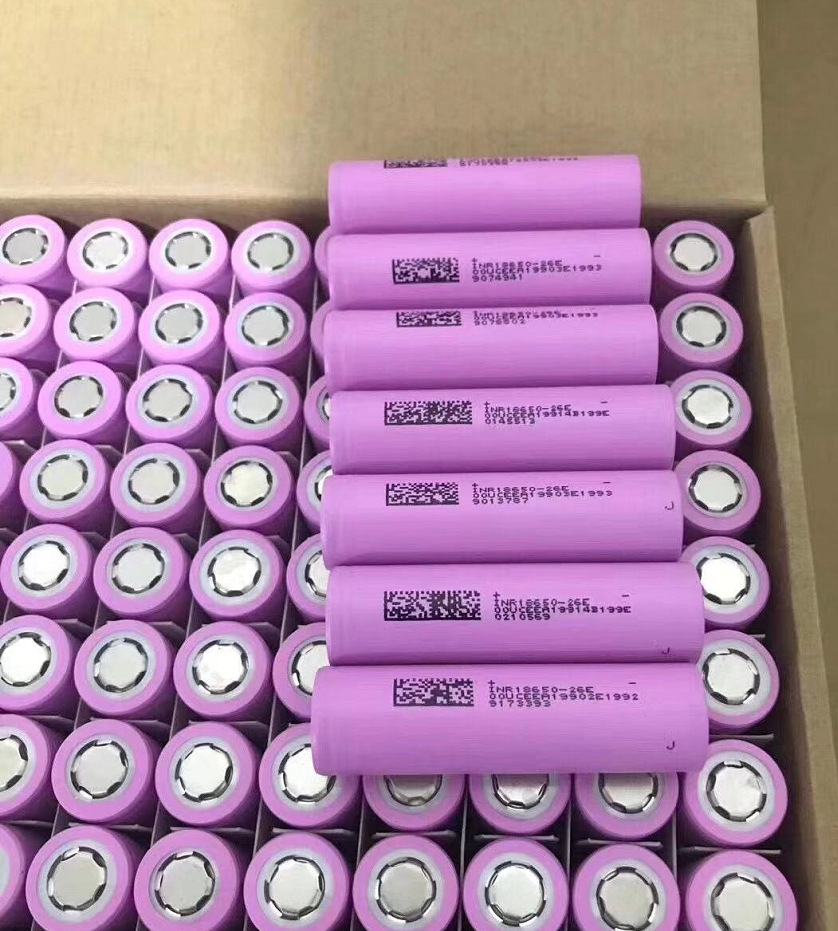
Minimal Capacity Fade 18650 LFP Cells for EV – Complete Solution
When it comes to powering the next generation of electric vehicles (EVs) and energy storage systems (ESS), the industry is shifting focus from mere power density to longevity and thermal stability. As a lithium battery professional, I see a recurring challenge: clients need cells that maintain performance over thousands of cycles without the safety risks associated with traditional NMC chemistries.
This is where 18650 Lithium Iron Phosphate (LFP) cells enter the equation. While the industry often debates “cylindrical vs. prismatic,” the 18650 format, when combined with LFP chemistry, offers a compelling solution for applications requiring “Minimal Capacity Fade.”
In this guide, we will dissect why 18650 LFP technology is becoming the gold standard for reliability, explore the technical nuances of low-fade chemistry, and provide a complete solution framework for integrating these cells into your EV or industrial design.
The Technical Shift: Why 18650 LFP?
For decades, the 18650 cell has been the workhorse of the lithium industry, famously used in laptops and Tesla vehicles. However, the chemistry has evolved. The shift from Nickel Manganese Cobalt (NMC) to Lithium Iron Phosphate (LFP) is driven by two critical factors: safety and cycle life.
Understanding Capacity Fade
Capacity fade refers to the gradual reduction in a battery’s ability to hold a charge over time. In NMC cells, this fade is often accelerated by thermal stress and chemical degradation at the electrode level. LFP cells, however, utilize a different crystal structure (Olivine structure) that is inherently more stable.
- Structural Integrity: The Olivine structure of LFP experiences minimal expansion and contraction during charge/discharge cycles. This physical stability directly translates to lower mechanical stress on the cell, which is the primary reason for “minimal capacity fade.”
- Thermal Runaway Prevention: Unlike NMC, LFP does not release oxygen when overheated. This eliminates the primary fuel for thermal runaway, making it the safest lithium-ion chemistry available.
For Electric Vehicles (EVs), this means a battery pack that can last the lifetime of the vehicle without significant degradation. For Energy Storage Systems (ESS), it means a 10+ year lifespan with minimal maintenance.
Decoding “Minimal Capacity Fade” in EV Applications
When we discuss “minimal capacity fade,” we are not just talking about a number on a spec sheet. We are talking about the calendar life of the battery.
The Chemistry Behind the Longevity
Standard lithium-ion cells degrade due to the breakdown of the electrolyte and the active material on the cathode. In LFP cells, the strong P-O (Phosphorus-Oxygen) bonds are much harder to break than the metal-oxide bonds in NMC. This chemical robustness means the cell can endure thousands of deep discharge cycles with negligible loss of capacity.
Real-World Performance Metrics
Consider this: A standard NMC 18650 cell might retain 80% of its capacity after 1,000 cycles. In contrast, a high-quality 18650 LFP cell can retain 80% capacity after 3,000 to 5,000 cycles. This is a 300-500% increase in cycle life.
For an EV manufacturer, this translates to:
- Reduced Warranty Costs: Fewer battery replacements under warranty.
- Higher Resale Value: Vehicles with LFP packs hold their value better because the battery doesn’t degrade as quickly.
- Simplified Thermal Management: Because LFP generates less heat and is less reactive, the Battery Management System (BMS) and cooling infrastructure can be less complex, reducing overall system costs.
The Complete Solution: From Cell to System
Sourcing a single 18650 cell is easy; engineering a complete battery system is complex. A “Complete Solution” requires seamless integration of the cell, the module, and the BMS.
1. Cell Selection and Customization
While the 18650 form factor is standardized (18mm diameter, 65mm height), the internal chemistry and tabbing can be customized. For high-drain EV applications, cells like the INR18650-3500 or INR18650-3800 are often preferred due to their balance of energy density and power output. These cells utilize advanced cathode coatings and electrolyte additives specifically designed to reduce internal resistance, further minimizing heat generation and capacity fade.
2. Module Design and Safety
The “Complete Solution” involves designing robust modules. Because 18650 cells are smaller, they require precise mechanical housing. The key is to ensure uniform pressure distribution and thermal conductivity between cells. Using thermally conductive adhesives and robust steel casings prevents micro-fractures that could lead to premature failure.
3. The Brain: Battery Management System (BMS)
A low-fade cell is only as good as the BMS managing it. For LFP chemistry, the BMS must be calibrated to the specific voltage curve of Lithium Iron Phosphate (typically a flatter voltage curve compared to NMC). This ensures accurate State of Charge (SoC) calculation, preventing over-discharge, which is the primary enemy of longevity.
Integration for Electric Vehicles (EV)
Integrating 18650 LFP cells into an EV requires a holistic approach.
Overcoming the Energy Density Myth
A common objection is that LFP has lower energy density than NMC. While this is true in terms of weight, the 18650 format offers high volumetric energy density. By utilizing the structural benefits of the cylindrical cell (which handles internal pressure better than pouch cells), manufacturers can pack significant energy into a compact space.
Application Scenarios
Our 18650 cylindrical battery cells are engineered for versatility. Whether you are building a high-performance Electric Bicycle (E-Bike), an Electric Scooter, or a Low-Speed Electric Vehicle (LEV), the modular nature of the 18650 allows for flexible pack designs. For instance, a typical E-Bike pack might use a 13S10P configuration (13 cells in series, 10 in parallel) to achieve 48V and high capacity.
Sustainability and Cost
Finally, the “Complete Solution” must consider the end of life. LFP cells are highly recyclable. The iron and phosphate components are non-toxic and have a high recovery value. Combined with the lack of expensive cobalt, LFP offers the lowest Total Cost of Ownership (TCO) in the lithium-ion family.
Partnering for Success
Choosing a battery partner is not just about buying cells; it is about securing a technology roadmap. If you are looking for a Battery Manufacturer in China that offers more than just commodity cells, it is crucial to look for a partner with in-house R&D capabilities.
At CNS, we specialize in providing comprehensive cylindrical battery cells and customizable solutions for the global market. Whether you need a standard off-the-shelf solution or a custom-engineered cell for a specific EV application, we have the expertise to deliver.
For technical consultations or to request a sample of our high-cycle-life 18650 LFP cells, please visit our product center or contact our sales team directly.
Explore our range of high-performance cylindrical cells:
Explore Cylindrical Battery Cell Products
Contact our engineering team for a complete EV solution:
Contact Us for EV Solutions
Learn more about our manufacturing capabilities:
Battery Manufacturers in China