
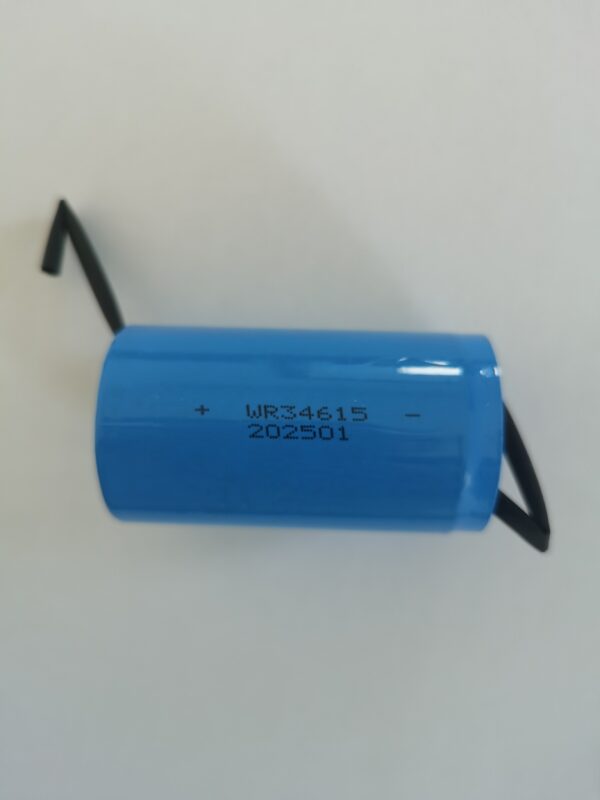
Miniature Lithium Battery for Lab Equipment Research | Custom Size
In the rapidly evolving landscape of laboratory equipment and scientific research, power reliability stands as a critical foundation for accurate data collection and uninterrupted operation. Miniature lithium batteries, specifically lithium metal primary batteries, have emerged as the preferred power solution for precision lab instruments requiring long-term stability, compact form factors, and custom dimensional specifications. This article explores the technical advantages, application scenarios, and customization capabilities essential for B2B procurement decisions.
Why Miniature Lithium Batteries for Lab Equipment?
Laboratory instruments demand power sources that deliver consistent voltage output over extended periods without maintenance intervention. Lithium metal primary batteries offer several distinct advantages over alternative chemistries:
Superior Energy Density: Lithium primary cells provide energy density ranging from 280 to 580 Wh/kg, significantly higher than alkaline or NiMH alternatives. This enables compact equipment designs without sacrificing operational runtime.
Extended Shelf Life: With self-discharge rates below 1% per year under proper storage conditions, lithium metal batteries maintain charge integrity for 10-15 years, reducing inventory turnover concerns for research facilities.
Wide Temperature Performance: Operating ranges from -40°C to +85°C ensure reliable function across diverse laboratory environments, including cold storage units and heated analysis chambers.
Stable Voltage Profile: Flat discharge curves maintain nominal voltage (typically 3.0V or 3.6V) throughout 80% of discharge cycle, critical for precision measurement instruments requiring voltage stability.
Custom Size Capabilities for Specialized Applications
Standard battery dimensions rarely accommodate specialized lab equipment designs. Custom miniature lithium battery manufacturing addresses this gap through engineered solutions:
Dimensional Flexibility: Manufacturers can produce cells with diameters ranging from 6mm to 20mm and heights from 3mm to 50mm, accommodating space-constrained instrument housings while maximizing available volume for energy storage.
Terminal Configuration: Custom terminal placements (top, side, or wire lead configurations) facilitate direct integration into printed circuit board assemblies without additional connector hardware.
Capacity Optimization: By adjusting electrode thickness and active material loading, capacity can be tuned from 50mAh to 3000mAh within identical external dimensions, allowing power density optimization for specific duty cycles.
Packaging Options: Individual cells, welded battery packs, or protected modules with integrated PTC devices provide scalability from single-instrument applications to multi-unit research systems.
Technical Specifications for Research Grade Applications
Procurement teams evaluating miniature lithium batteries for lab equipment should verify the following technical parameters:
| Parameter | Typical Specification | Research Grade Requirement |
|---|---|---|
| Nominal Voltage | 3.0V / 3.6V | ±0.1V tolerance |
| Operating Temperature | -40°C to +85°C | Validated across full range |
| Self-Discharge Rate | <1%/year at 20°C | Documented test data |
| Leakage Resistance | IEC 60086-4 compliant | Zero leakage guarantee |
| Certification | UL, CE, RoHS, UN38.3 | Full documentation package |
Quality manufacturers provide comprehensive test reports including cycle life data, thermal abuse testing, and transportation compliance documentation essential for institutional procurement protocols.
Application Scenarios in Laboratory Environments
Miniature lithium primary batteries power diverse research instrumentation:
- Portable Analyzers: Handheld spectrometers, pH meters, and conductivity probes benefit from lightweight, long-life power sources eliminating frequent battery replacement during field studies.
- Data Loggers: Environmental monitoring equipment recording temperature, humidity, or pressure over months requires stable voltage to maintain data integrity without power interruption.
- Sensor Networks: Distributed laboratory sensor arrays utilizing wireless transmission protocols demand low self-discharge characteristics for multi-year deployment without maintenance access.
- Backup Power Systems: Critical instruments requiring memory preservation during main power failures utilize miniature lithium cells as secondary power sources ensuring data retention.
Procurement Considerations for B2B Buyers
When sourcing miniature lithium batteries for laboratory equipment manufacturing or research facility operations, evaluate suppliers based on:
Manufacturing Capacity: Verify production scalability to accommodate volume fluctuations without lead time extensions affecting equipment delivery schedules.
Quality Management: ISO 9001 certification and documented quality control procedures ensure batch-to-batch consistency essential for calibrated instruments.
Technical Support: Engineering teams capable of providing application-specific recommendations reduce development cycle time for custom integration projects.
Supply Chain Transparency: Raw material sourcing documentation and conflict mineral compliance support institutional sustainability requirements.
For detailed product specifications and customization consultation, visit our primary battery product page to explore available configurations and technical documentation.
Conclusion
Miniature lithium metal primary batteries represent the optimal power solution for laboratory equipment requiring long-term reliability, compact dimensions, and custom engineering. By partnering with experienced manufacturers offering comprehensive customization capabilities, research institutions and equipment manufacturers can ensure power system performance matching instrument precision requirements.
To discuss custom miniature lithium battery specifications for your laboratory equipment applications, contact our technical team through our contact page for personalized consultation and quotation services.
Investment in quality miniature lithium battery solutions delivers measurable returns through reduced maintenance costs, extended equipment service life, and uninterrupted research operations critical for scientific advancement.
