Medical Grade Cylindrical Battery Cell | CNS BATTERY
Powering Critical Healthcare Applications with Certified Reliability
In the medical device industry, power source selection is not merely a technical specification—it is a patient safety imperative. Medical grade cylindrical battery cells represent a specialized category of energy storage solutions engineered to meet the stringent demands of healthcare applications, from portable diagnostic equipment to implantable devices and emergency backup systems.
Understanding Medical Grade Cylindrical Battery Specifications
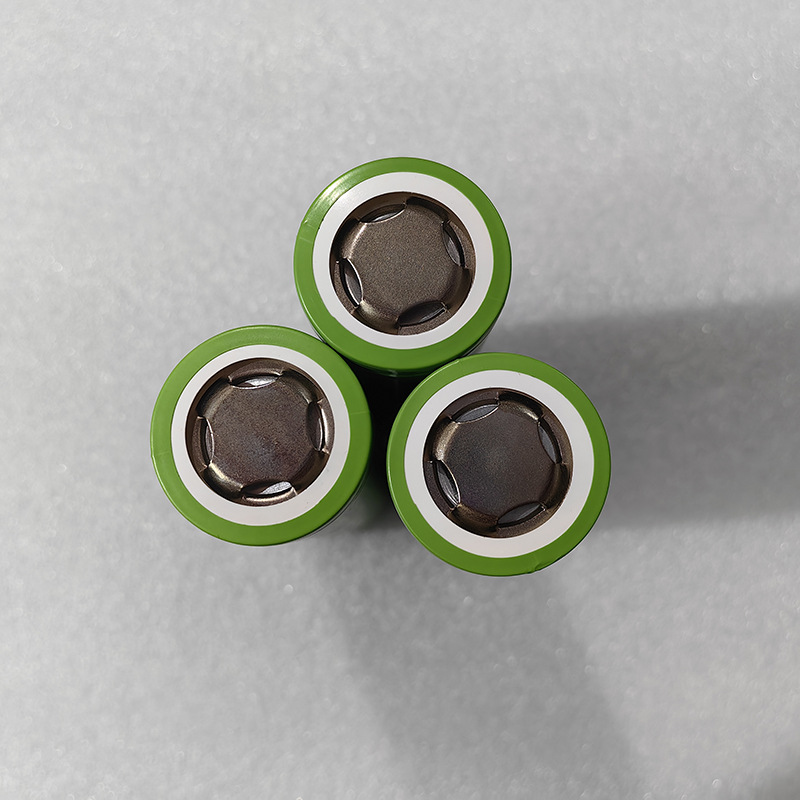
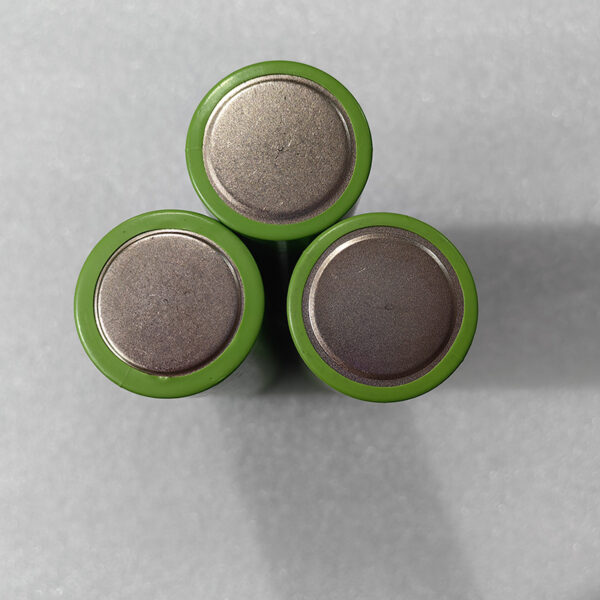
Cylindrical battery cells offer distinct advantages for medical applications, including standardized form factors (18650, 21700, 26650), superior thermal management, and proven reliability under continuous operation. Unlike consumer-grade alternatives, medical grade cylindrical cells undergo enhanced quality controls and traceability protocols throughout the manufacturing lifecycle.
Key Technical Parameters:
- Chemistry: Li-ion (NMC, LFP) or Li-polymer configurations
- Voltage Range: 3.2V to 3.7V nominal per cell
- Capacity: 1500mAh to 6000mAh depending on form factor
- Cycle Life: 500-2000+ cycles with 80% capacity retention
- Operating Temperature: -20°C to +60°C (extended ranges available)
Compliance Framework: Non-Negotiable Standards
Medical device manufacturers must verify that battery suppliers maintain comprehensive certification portfolios. The foundational standards include:
IEC 62133-2:2017 governs safety requirements for portable sealed secondary lithium cells. This standard mandates rigorous testing protocols including forced internal short circuit, overcharge, external short circuit, crush, and impact tests. Products lacking IEC 62133 certification face market access barriers across EU, North American, and Asia-Pacific regions.
ISO 13485:2016 represents the quality management system benchmark for medical device manufacturers and their supply chain partners. Battery manufacturers holding ISO 13485 certification demonstrate commitment to traceability, risk management, and process control throughout production. This certification has become increasingly critical as regulatory bodies strengthen supply chain oversight requirements.
UN 38.3 transportation testing ensures safe global shipment of lithium batteries, covering altitude simulation, thermal cycling, vibration, shock, and external short circuit scenarios.
Procurement Considerations for B2B Buyers
When evaluating cylindrical battery cell suppliers, medical device companies should prioritize the following criteria:
1. Documentation Completeness
Request comprehensive test reports from accredited laboratories (TÜV, UL, SGS). Verify certificate authenticity through issuing body databases. Maintain records for regulatory audits spanning the product lifecycle.
2. Supply Chain Transparency
Assess raw material sourcing practices, particularly for cobalt and lithium components. Ethical sourcing aligns with emerging ESG requirements and reduces reputational risk.
3. Manufacturing Capacity & Lead Times
Evaluate production scalability against your projected demand. Medical device programs often require 12-24 month supply commitments with consistent quality across batches.
4. Technical Support Infrastructure
Preferred suppliers provide application engineering support for battery pack integration, BMS compatibility verification, and failure analysis when needed.
Real-World Application Case
A European medical equipment manufacturer recently transitioned from consumer-grade to medical grade cylindrical cells for their portable infusion pump line. The upgrade addressed three critical concerns: extended shelf life requirements (5+ years), enhanced thermal stability during sterilization processes, and complete batch traceability for recall management. Post-implementation data showed 40% reduction in field failures and streamlined FDA 510(k) submission processes.
Partner Selection: China-Based Manufacturing Excellence
China has emerged as a significant manufacturing hub for medical grade battery cells, offering competitive pricing without compromising quality standards. However, buyer diligence remains essential. Verify manufacturer credentials through on-site audits or third-party inspection services. Confirm that production facilities maintain clean room environments where required and implement statistical process control methodologies.
For comprehensive product specifications and technical documentation, explore the cylindrical battery cell portfolio to evaluate compatibility with your application requirements.
Quality Verification Checklist
Before finalizing supplier agreements, confirm:
- ✓ Valid IEC 62133 test reports (within 3 years)
- ✓ ISO 13485 certificate status and scope
- ✓ UN 38.3 transportation certification
- ✓ Batch-level traceability system
- ✓ Warranty terms and failure response protocols
- ✓ RoHS/REACH compliance documentation
Building Long-Term Supply Partnerships
Successful medical device programs depend on stable, quality-consistent battery supply relationships. Establish clear communication channels for change notification procedures—any material, process, or facility modifications should trigger formal customer notification per medical device regulatory expectations.
For detailed consultation on medical grade battery integration and compliance requirements, connect with our technical team through the contact page.
Conclusion
Medical grade cylindrical battery cells represent a critical component in healthcare device reliability. By prioritizing certified suppliers, maintaining comprehensive documentation, and establishing transparent supply chain relationships, medical device manufacturers can mitigate risk while ensuring uninterrupted patient care delivery.
To learn more about qualified battery manufacturers in China and their compliance capabilities, access our comprehensive manufacturer verification resources.
The intersection of energy storage technology and medical device regulation continues to evolve. Staying informed about emerging standards, maintaining supplier qualification programs, and investing in quality partnerships will distinguish market leaders in the healthcare technology sector.