Medical Devices OEM Pain Points Solved by 60130 Lithium Ion Cylindrical Battery: Ultimate Guide
The medical device industry faces unprecedented challenges in 2026. From stringent regulatory compliance under EU MDR and FDA 21 CFR Part 820 to demanding performance requirements, OEMs struggle to balance reliability, safety, and cost-effectiveness. The 60130 lithium ion cylindrical battery emerges as a transformative solution addressing these critical pain points. This comprehensive guide explores how this advanced battery technology resolves key OEM challenges while meeting global medical certification standards.
Understanding the 60130 Cylindrical Battery Architecture
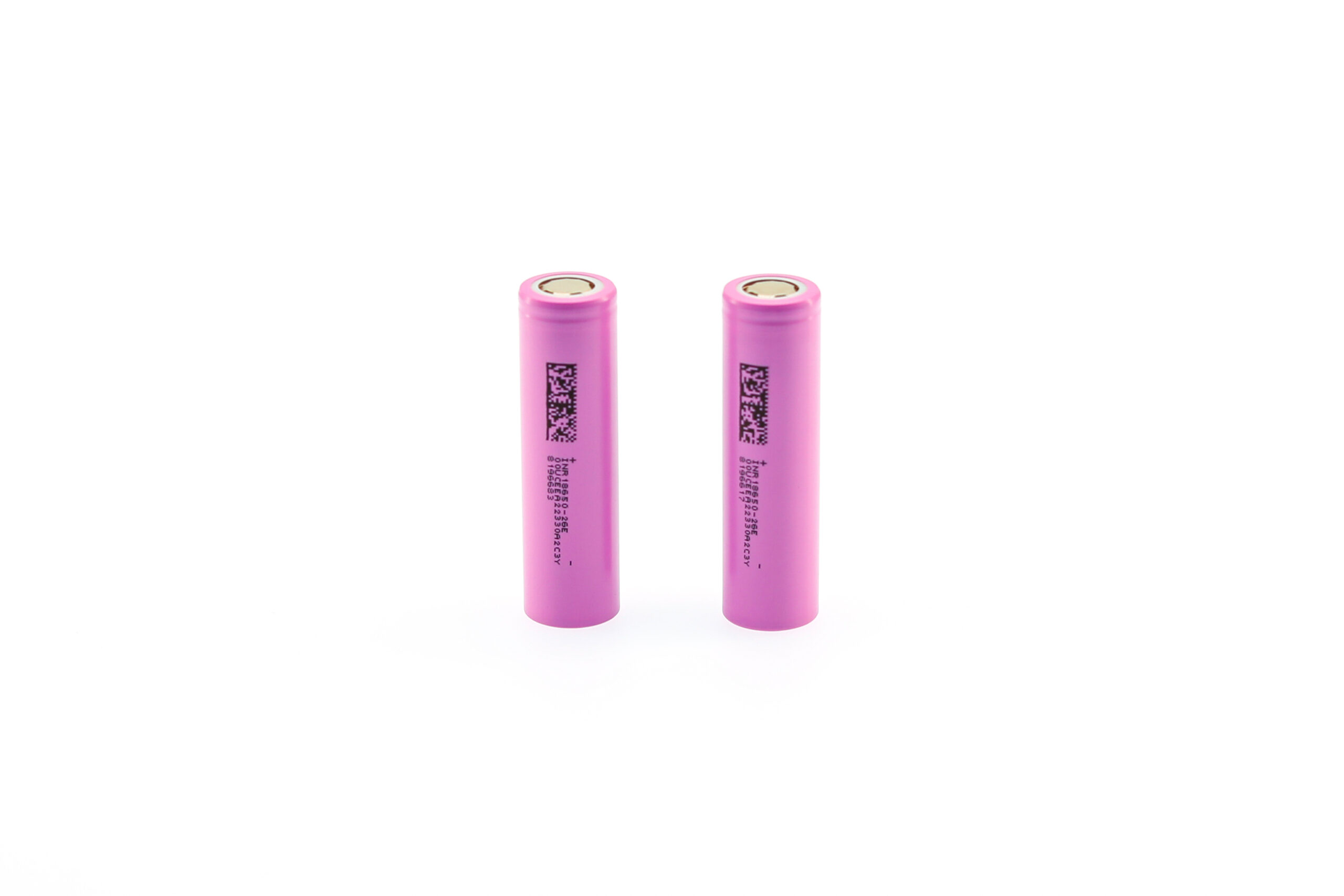
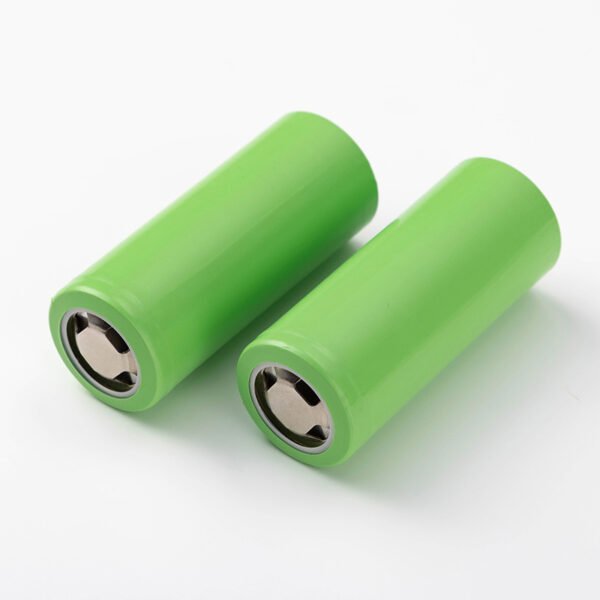
The 60130 designation refers to a cylindrical lithium-ion cell with 60mm diameter and 130mm height dimensions. This form factor delivers exceptional energy density ranging from 25-35Wh per cell, making it ideal for portable medical equipment including infusion pumps, patient monitors, and surgical instruments. The cylindrical construction provides superior mechanical stability compared to pouch or prismatic alternatives, crucial for devices requiring drop resistance and long-term structural integrity.
Key technical specifications include:
- Nominal Voltage: 3.2V-3.7V (LiFePO4 or NMC chemistry)
- Capacity Range: 25Ah-35Ah depending on chemistry selection
- Cycle Life: 3000-6000 cycles at 80% DOD
- Operating Temperature: -20°C to +60°C
- Safety Certifications: UN38.3, IEC62133, UL1642
Critical OEM Pain Points and 60130 Battery Solutions
1. Regulatory Compliance Complexity
Medical device manufacturers face escalating certification requirements. The EU MDR implementation has increased documentation burden by 40% since 2025. Battery suppliers must provide comprehensive technical files including material declarations, biocompatibility assessments, and traceability documentation.
60130 Solution: Reputable manufacturers deliver complete regulatory support packages. This includes full material disclosure (IMDS compliance), REACH/RoHS documentation, and pre-validated test reports for IEC60601-1 medical electrical equipment standards. Partnering with established battery manufacturers in China ensures access to ISO13485 certified production facilities with audit-ready documentation.
2. Supply Chain Reliability Concerns
Medical OEMs cannot tolerate production delays. Battery shortages during 2024-2025 disrupted numerous device launches, costing manufacturers millions in delayed revenue. Single-source dependencies create unacceptable risk exposure.
60130 Solution: The standardized 60130 form factor enables multi-vendor sourcing strategies. Compatible specifications across qualified suppliers reduce supply chain vulnerability. Leading manufacturers maintain strategic inventory reserves with 98%+ on-time delivery performance. For technical procurement teams evaluating partners, the cylindrical battery cell product range offers consistent specifications with full traceability from raw materials to finished cells.
3. Thermal Management Challenges
Portable medical devices operate in diverse environments from air-conditioned hospitals to emergency field conditions. Battery thermal runaway represents catastrophic failure risk, particularly for implantable or life-support equipment.
60130 Solution: Advanced cylindrical designs incorporate multiple safety mechanisms including CID (Current Interrupt Device), PTC (Positive Temperature Coefficient) protectors, and pressure relief vents. LiFePO4 chemistry variants provide inherent thermal stability with decomposition temperatures exceeding 270°C. Integrated BMS compatibility enables real-time temperature monitoring with automatic shutdown protocols.
4. Long-Term Performance Consistency
Medical devices require 5-10 year operational lifespans. Battery capacity degradation directly impacts device reliability and patient safety. Inconsistent cell matching causes pack-level performance issues.
60130 Solution: Premium 60130 cells feature <3% capacity variance within production batches. Advanced formation processes ensure stable SEI layer development. Accelerated aging data demonstrates <20% capacity loss after 2000 cycles at 25°C. This predictability enables accurate device lifetime calculations for warranty and maintenance planning.
5. Cost Pressure Without Quality Compromise
Healthcare cost containment drives continuous price pressure. OEMs must reduce BOM costs while maintaining or improving quality standards. Battery costs typically represent 15-25% of portable device BOM.
60130 Solution: Economies of scale in cylindrical cell production deliver 20-30% cost advantages over custom prismatic solutions. Standardized manufacturing processes reduce qualification costs. Total cost of ownership improves through extended cycle life and reduced warranty claims.
Implementation Best Practices for Medical OEMs
Successful 60130 battery integration requires systematic approach:
Design Phase: Engage battery suppliers during concept development. Early collaboration optimizes mechanical integration and thermal management. Request sample cells for validation testing before finalizing designs.
Qualification Process: Execute comprehensive testing including electrical performance, environmental stress, mechanical shock, and safety abuse testing. Document all results for regulatory submissions. Maintain design history files per FDA requirements.
Production Scaling: Establish incoming inspection protocols with AQL sampling plans. Implement batch traceability systems linking cell serial numbers to finished devices. Conduct periodic supplier audits.
Quality Monitoring: Track field performance metrics including failure rates and return analysis. Maintain feedback loops with battery suppliers for continuous improvement.
Selecting the Right Battery Partner
Partner selection determines project success. Evaluate potential suppliers against these criteria:
- Certifications: ISO9001, ISO13485, IATF16949 minimum requirements
- Technical Support: Application engineering availability and response times
- Manufacturing Capacity: Monthly production volume and scalability
- Quality Systems: Defect rates, corrective action processes, audit history
- Financial Stability: Long-term business viability assessment
For comprehensive supplier evaluation, initiate dialogue through the official contact page to request technical documentation, sample availability, and facility audit scheduling.
Future Outlook: 2026 and Beyond
The medical battery landscape continues evolving. Solid-state technology promises enhanced safety profiles but remains 3-5 years from medical certification readiness. Sodium-ion alternatives offer cost advantages for non-critical applications. Meanwhile, 60130 lithium-ion technology represents the optimal balance of maturity, performance, and availability for current medical device requirements.
Smart battery features including fuel gauging, authentication chips, and cloud connectivity enable predictive maintenance capabilities. These advancements support the growing connected medical device market projected to reach $185 billion by 2028.
Conclusion
The 60130 lithium ion cylindrical battery addresses fundamental medical device OEM challenges through proven technology, regulatory compliance support, and supply chain reliability. By partnering with qualified manufacturers and implementing systematic integration processes, OEMs can accelerate time-to-market while reducing development risk.
Medical device innovation demands dependable power solutions. The 60130 cylindrical platform delivers the performance, safety, and consistency required for next-generation healthcare technology. Technical procurement teams should prioritize supplier partnerships offering comprehensive support beyond component supply—including engineering collaboration, regulatory documentation, and long-term availability commitments.
For detailed specifications, sample requests, or technical consultations, reach out to qualified battery manufacturers specializing in medical applications. Your device reliability depends on power source excellence.