
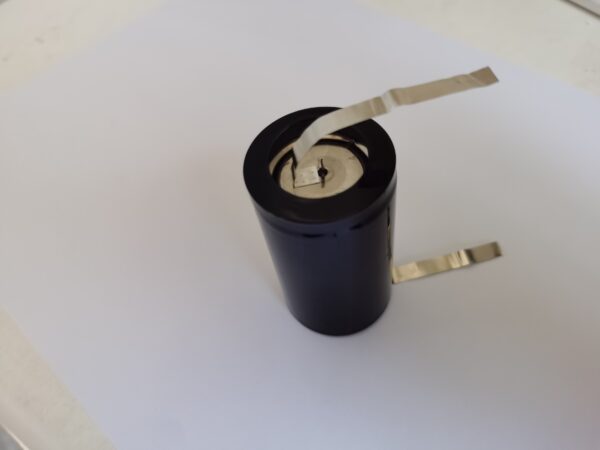
Maxell ER6C AA 3.6V Li-SOCl₂ Battery Replacement: A Comprehensive Technical Guide
For engineers and technical procurement specialists managing industrial IoT devices, utility meters, and remote monitoring systems, the Maxell ER6C AA 3.6V Li-SOCl₂ battery represents a critical power component. When sourcing replacements or evaluating alternatives, understanding the technical specifications, chemistry fundamentals, and compatibility factors becomes essential for maintaining system reliability. This guide provides a structured analysis for professionals seeking qualified battery replacements.
Understanding Li-SOCl₂ Battery Technology
Lithium-thionyl chloride (Li-SOCl₂) batteries belong to the primary lithium metal battery category, distinguished by their exceptional energy density and extended shelf life. The electrochemical reaction occurs between lithium metal (anode) and thionyl chloride (cathode), producing a nominal voltage of 3.6V. Key characteristics include:
- High Energy Density: Typically 500-700 Wh/kg, enabling compact designs for long-term deployments
- Low Self-Discharge Rate: Less than 1% per year at ambient temperatures, supporting 10+ year shelf life
- Wide Operating Temperature Range: -55°C to +85°C, suitable for harsh environments
- Stable Voltage Profile: Flat discharge curve maintains consistent power delivery throughout lifecycle
These properties make Li-SOCl₂ batteries ideal for applications requiring minimal maintenance and maximum reliability over extended periods.
Maxell ER6C Specifications and Compatibility
The Maxell ER6C follows the standard AA form factor with 3.6V nominal voltage. When evaluating replacements, technical teams must verify the following parameters:
| Specification | Typical Value |
|---|---|
| Nominal Voltage | 3.6V |
| Capacity | 2700-3000 mAh |
| Dimensions | 14.5mm × 50.5mm |
| Weight | Approximately 18g |
| Operating Temperature | -55°C to +85°C |
| Storage Life | 10+ years |
Compatibility extends beyond physical dimensions. Engineers should assess pulse current capabilities, as Li-SOCl₂ batteries exhibit voltage delay under high-current loads. Applications requiring periodic high-current pulses may benefit from hybrid designs incorporating supplemental capacitors or bobbin-type versus spiral-wound constructions.
Critical Selection Criteria for Replacement Batteries
1. Capacity Verification
Ensure replacement batteries meet or exceed original capacity specifications. Under-capacity alternatives compromise device runtime and increase maintenance frequency. Request certified test reports from suppliers validating capacity claims under standardized discharge conditions.
2. Safety Certifications
Verify compliance with international safety standards including UL, IEC, and UN38.3 transportation requirements. Certified batteries reduce liability risks and facilitate global distribution.
3. Quality Consistency
Evaluate manufacturer quality control processes. Consistent performance across production batches prevents field failures. Request sample testing before committing to large-volume purchases.
4. Supply Chain Reliability
Assess supplier capacity for sustained production and inventory availability. Long-term projects require partners capable of supporting multi-year procurement cycles without specification changes.
Application-Specific Considerations
Different applications impose unique demands on battery performance. Utility meters typically require ultra-low self-discharge characteristics for 10-15 year deployments. Industrial sensors may prioritize temperature tolerance for outdoor installations. Medical devices demand stringent quality documentation and traceability. Understanding your specific application requirements guides appropriate replacement selection.
For technical teams evaluating qualified primary battery solutions, comprehensive product specifications and direct manufacturer consultation ensure informed decisions. Explore available primary battery options to compare technical parameters across manufacturers.
Common Replacement Challenges and Solutions
Voltage Delay Phenomenon
Li-SOCl₂ batteries may exhibit temporary voltage depression after extended storage. This passivation layer protects against self-discharge but requires brief conditioning under load. Design circuits accommodating initial voltage recovery periods.
Temperature-Dependent Performance
While Li-SOCl₂ chemistry performs across wide temperature ranges, capacity varies with operating conditions. Derate capacity expectations for extreme temperature applications and validate performance through environmental testing.
End-of-Life Indicators
Unlike rechargeable batteries, primary lithium cells lack sophisticated fuel gauging. Implement voltage monitoring circuits to predict replacement timing and prevent unexpected system failures.
Procurement Best Practices
Technical procurement specialists should establish clear qualification protocols including sample testing, documentation review, and supplier audits. Maintain approved vendor lists with backup suppliers to mitigate supply chain disruptions. Negotiate long-term pricing agreements protecting against raw material cost fluctuations affecting lithium and thionyl chloride markets.
For direct manufacturer consultation regarding technical specifications and customization options, visit the contact page to initiate professional discussions with engineering teams.
Conclusion
Replacing Maxell ER6C AA 3.6V Li-SOCl₂ batteries requires systematic evaluation of technical specifications, application requirements, and supplier capabilities. By understanding lithium-thionyl chloride chemistry fundamentals and applying rigorous selection criteria, engineering teams ensure continued system reliability while optimizing total cost of ownership. Prioritize certified suppliers with proven quality systems and establish comprehensive testing protocols before deployment. The investment in thorough qualification processes prevents costly field failures and maintains operational continuity across your device fleet.
