
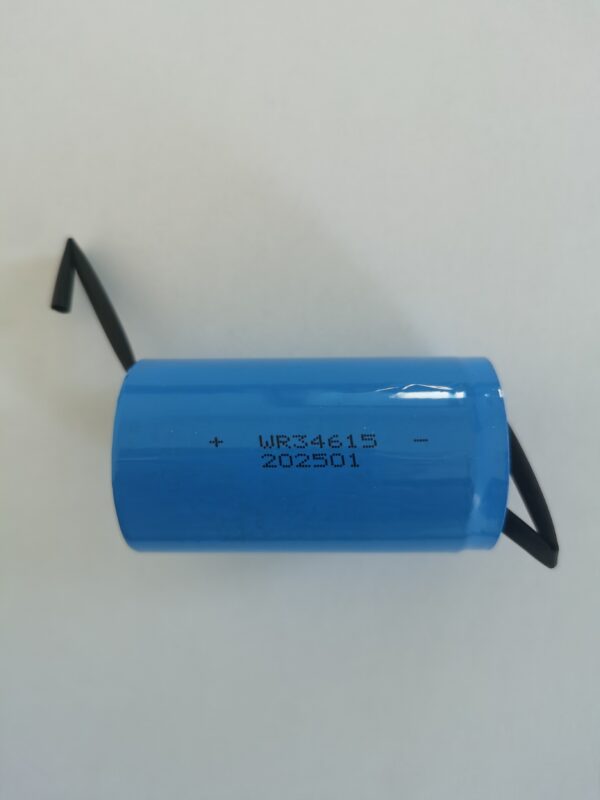
Maxell ER3 3.6V 1/2 AA Li-SOCl₂ Battery Alternative: A Technical Guide for Engineers
Introduction
The Maxell ER3 3.6V 1/2 AA lithium thionyl chloride (Li-SOCl₂) battery has long been a standard choice for industrial applications requiring reliable long-term power. However, supply chain disruptions, cost optimization needs, and evolving technical requirements have driven engineers and procurement specialists to seek qualified alternatives. This article provides a comprehensive technical analysis for professionals evaluating replacement options for the Maxell ER3 specification.
Understanding Li-SOCl₂ Battery Technology
Lithium thionyl chloride batteries operate through an electrochemical reaction between lithium metal (anode) and thionyl chloride (cathode/electrolyte). This chemistry delivers several distinctive advantages:
- Nominal Voltage: 3.6V output, stable throughout discharge cycle
- Energy Density: Among the highest of all primary battery chemistries (500-700 Wh/kg)
- Operating Temperature: Typically -55°C to +85°C, with specialized variants reaching +150°C
- Self-Discharge Rate: Less than 1% per year, enabling 10-15 year shelf life
- Low Current Applications: Ideal for IoT sensors, utility meters, and backup memory systems
The 1/2 AA form factor (approximately 14.5mm diameter × 25mm height) makes ER3 batteries particularly suitable for space-constrained designs where cylindrical cell geometry is preferred.
Key Considerations When Selecting Alternatives
1. Electrical Specifications Match
Any alternative must match the critical electrical parameters:
- Voltage plateau consistency under load
- Capacity rating (typically 1.0-1.2 Ah for 1/2 AA size)
- Pulse current capability for wireless transmission applications
- End-of-life voltage threshold compatibility with your device
2. Safety and Certification Compliance
International certifications ensure battery safety across markets:
- UN 38.3 transportation testing
- IEC 60086-4 safety standards
- RoHS and REACH compliance for European markets
- UL recognition for North American installations
3. Manufacturing Quality Control
Consistent quality requires:
- ISO 9001 certified production facilities
- Batch traceability systems
- Statistical process control documentation
- Long-term supply commitment guarantees
4. Application-Specific Performance
Different applications impose unique demands:
- Smart Meters: Require 15+ year operational life
- Asset Trackers: Need high pulse current capability
- Medical Devices: Demand ultra-low self-discharge rates
- Automotive Systems: Must withstand extreme temperature cycling
Recommended Alternative Solutions
For engineering teams seeking reliable Maxell ER3 replacements, established primary battery manufacturers offer qualified alternatives with equivalent or superior specifications. Professional procurement should prioritize suppliers with documented test data, technical support capabilities, and proven field performance.
Visit our comprehensive primary battery product catalog to explore technical specifications, certification documentation, and application notes for Li-SOCl₂ cells matching ER3 dimensions and performance requirements.
Technical Validation Protocol
Before implementing any alternative, engineers should conduct:
- Accelerated Life Testing: Verify capacity retention under elevated temperature conditions
- Load Profile Simulation: Test against actual device current consumption patterns
- Environmental Stress Screening: Validate performance across operating temperature ranges
- Long-Term Storage Evaluation: Confirm self-discharge characteristics match specifications
Document all validation results for quality assurance records and regulatory compliance audits.
Supply Chain Risk Mitigation
Single-source dependency creates vulnerability. Best practices include:
- Qualifying multiple suppliers for critical components
- Maintaining safety stock based on lead time analysis
- Establishing long-term supply agreements with price protection clauses
- Regular supplier audits for quality system verification
Conclusion
Selecting a Maxell ER3 3.6V 1/2 AA Li-SOCl₂ battery alternative requires thorough technical evaluation beyond simple specification matching. Engineers must consider application requirements, certification compliance, manufacturing quality, and supply chain resilience. With proper validation protocols and qualified supplier partnerships, organizations can successfully transition to alternative sources while maintaining or improving system reliability.
For technical consultation, certification documentation, or custom specification requirements, contact our engineering support team at Primary Battery Contact. Our specialists provide application-specific guidance to ensure optimal battery selection for your project requirements.
This technical guide serves informational purposes for engineering professionals. Always conduct application-specific validation before implementing battery alternatives in production systems.
