
Maxell CR2430 3V Li-MnO₂ Battery Direct Alternative: Technical Guide for Engineering Teams
Introduction
The Maxell CR2430 3V Li-MnO₂ coin cell battery has long been a standard choice for memory backup, IoT sensors, and portable electronic devices. However, supply chain volatility and cost optimization pressures have driven engineering teams to seek reliable direct alternatives. This article provides a comprehensive technical analysis of CR2430 specifications, lithium-manganese dioxide chemistry fundamentals, and qualified alternative sourcing strategies for B2B procurement decisions.
Understanding CR2430 Battery Specifications
The CR2430 designation follows IEC standard naming conventions where “C” indicates lithium-manganese dioxide chemistry, “R” denotes round shape, “24” represents 24mm diameter, and “30” indicates 3.0mm thickness. Key technical parameters include:
- Nominal Voltage: 3.0V
- Nominal Capacity: 270-300mAh (varies by manufacturer)
- Dimensions: Φ24.5 × 3.0mm
- Weight: Approximately 4.3g
- Operating Temperature: -20°C to +60°C (standard), extended ranges available
- Self-Discharge Rate: ≤2% per year at 20°C
- Shelf Life: 5-10 years with 90% capacity retention
Lithium-Manganese Dioxide Chemistry Fundamentals
Li-MnO₂ primary batteries employ lithium metal as the anode and manganese dioxide as the cathode, with organic electrolyte facilitating ion transfer. The electrochemical reaction produces a stable 3V output through the following mechanism:
Anode Reaction: Li → Li⁺ + e⁻
Cathode Reaction: MnO₂ + Li⁺ + e⁻ → LiMnO₂
This chemistry offers several advantages for industrial applications:
- High Energy Density: Approximately 280 Wh/kg, significantly exceeding alkaline alternatives
- Flat Discharge Curve: Maintains stable voltage throughout 80% of discharge cycle
- Low Internal Resistance: Enables pulse currents up to 20mA for wireless transmission
- Excellent Temperature Performance: Operational stability from -40°C to +85°C in premium grades
- Leakage Resistance: Hermetic sealing with organic electrolyte minimizes corrosion risk
Critical Evaluation Criteria for Direct Alternatives
When evaluating Maxell CR2430 alternatives, engineering teams should verify the following technical parameters:
Electrical Performance
Ensure alternative cells match or exceed the 280mAh minimum capacity at 0.2mA standard discharge rate. Verify voltage stability under load conditions specific to your application. Pulse current capability should meet peak demand requirements, particularly for RF transmission modules.
Dimensional Compatibility
While IEC standards define nominal dimensions, manufacturing tolerances vary. Confirm actual dimensions fall within Φ24.5±0.2mm diameter and 3.0±0.1mm thickness to ensure proper battery holder fitment. Weight variations of ±0.2g are generally acceptable.
Quality Certifications
Qualified alternatives should carry relevant certifications including IEC 60086-4, UL 1642, UN 38.3 transportation compliance, and RoHS/REACH environmental standards. ISO 9001 manufacturing certification indicates consistent quality control processes.
Long-Term Reliability
Request accelerated aging test data demonstrating capacity retention after 1000 hours at 60°C storage. Annual self-discharge should not exceed 2% at 20°C. Verify lot traceability and batch testing documentation.
Supply Chain Considerations for 2026
Global lithium battery supply chains have stabilized following 2023-2024 disruptions, but geopolitical factors continue influencing availability. Engineering procurement teams should:
- Diversify Supplier Base: Qualify 2-3 alternative manufacturers to mitigate single-source risk
- Verify Production Capacity: Confirm manufacturer can support projected annual volumes
- Review Lead Times: Current standard lead times range 4-8 weeks for established suppliers
- Assess Inventory Programs: Evaluate vendor-managed inventory options for critical applications
Application-Specific Recommendations
Different use cases prioritize different battery characteristics:
Memory Backup Applications: Prioritize low self-discharge rate and 10-year shelf life. Standard grade cells suffice for most RTC backup scenarios.
IoT Sensor Nodes: Focus on pulse current capability and temperature range. Extended temperature grades (-40°C to +85°C) recommended for outdoor deployments.
Medical Devices: Require full traceability, biocompatibility documentation, and enhanced quality controls. ISO 13485 certified manufacturers preferred.
Automotive Applications: Must meet AEC-Q200 qualification standards with extended temperature ranges and vibration resistance testing.
Technical Support and Sourcing
For engineering teams evaluating CR2430 alternatives, comprehensive technical documentation and sample testing are essential. Reputable suppliers provide detailed specification sheets, safety data sheets, and application engineering support throughout the qualification process.
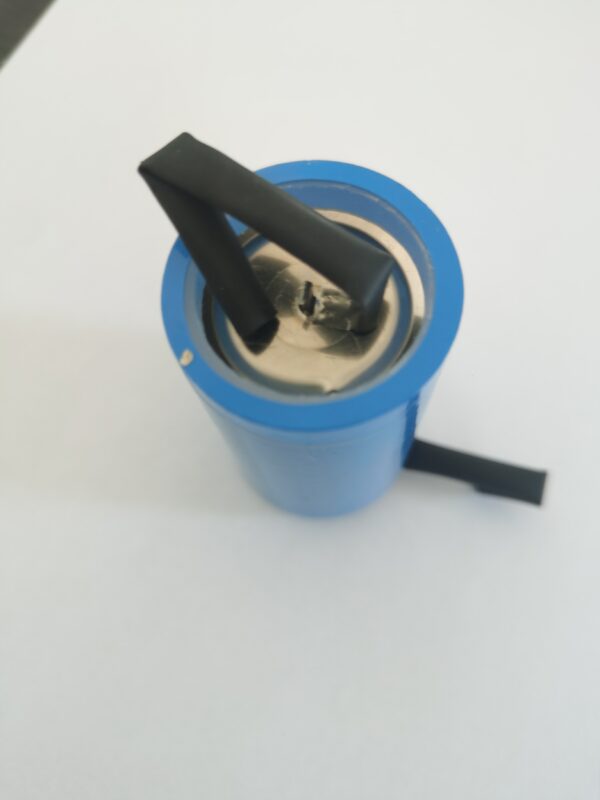
Professional battery manufacturers offer customized solutions including tab welding, adhesive backing, and specialized packaging for automated assembly lines. Early engagement with supplier technical teams accelerates qualification timelines and ensures optimal cell selection for specific application requirements.
For detailed product specifications and technical consultation on primary battery solutions, visit our primary battery product page. Engineering teams requiring customized quotations or sample requests can contact our technical team for application-specific guidance.
Conclusion
Selecting a Maxell CR2430 direct alternative requires systematic evaluation of electrical specifications, dimensional tolerances, quality certifications, and supply chain reliability. By understanding Li-MnO₂ chemistry fundamentals and applying rigorous qualification criteria, engineering teams can identify qualified alternatives that maintain performance standards while optimizing total cost of ownership. Proactive supplier qualification and technical validation ensure seamless transitions without compromising product reliability or time-to-market objectives.
