
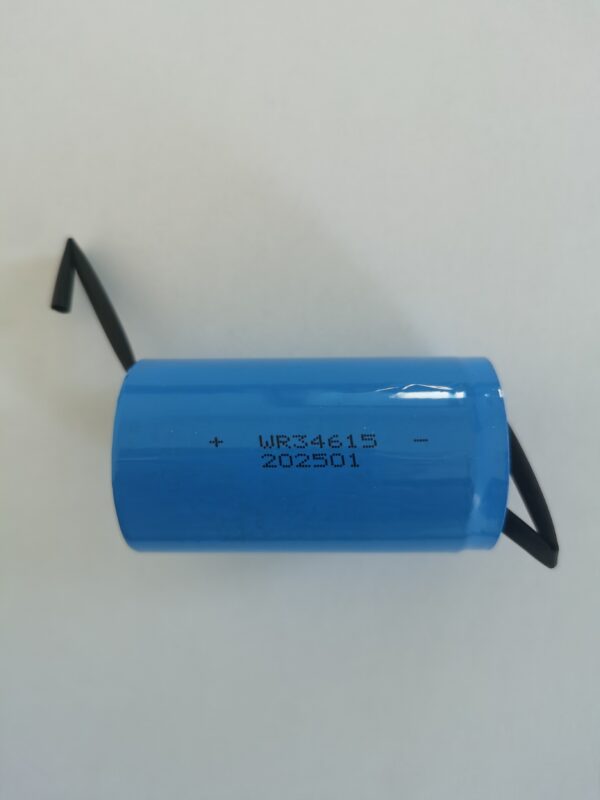
Maxell CR2016 Li-MnO₂ Battery Replacement for Keyless Entry
In the automotive security industry, reliable power sources are critical for keyless entry systems. The Maxell CR2016 Li-MnO₂ battery has become a standard choice for OEMs and aftermarket suppliers worldwide. As lithium primary battery professionals, we understand the technical specifications, performance characteristics, and replacement considerations that matter to B2B buyers across North America, Europe, and Asia-Pacific markets.
Understanding CR2016 Li-MnO₂ Technology
The CR2016 designation follows IEC 60086 standards, where “C” indicates lithium manganese dioxide chemistry, “R” denotes round shape, “20” represents 20mm diameter, and “16” indicates 1.6mm thickness. This Li-MnO₂ chemistry delivers nominal 3V output with exceptional stability throughout discharge cycles.
Lithium manganese dioxide batteries operate through a solid-state electrochemical reaction. The lithium anode oxidizes while manganese dioxide cathode reduces, generating consistent voltage without memory effect. For keyless entry applications, this translates to 3-5 years of reliable service under typical usage patterns of 10-15 activations daily.
Key Technical Specifications for B2B Evaluation
Professional buyers require detailed specifications for procurement decisions. The CR2016 typically offers 75-90mAh capacity depending on manufacturer and discharge rate. Operating temperature ranges from -20°C to +70°C, crucial for automotive applications exposed to extreme climates from Canadian winters to Middle Eastern summers.
Self-discharge rates remain below 1% annually at 20°C storage conditions, ensuring shelf life exceeding 10 years. This characteristic matters significantly for distributors maintaining inventory across multiple warehouses in the US, Germany, or Japan. Load current capabilities typically range from 0.2mA continuous to 3mA pulse, matching keyless entry transmitter requirements precisely.
Replacement Compatibility Considerations
When sourcing Maxell CR2016 replacements, several factors demand attention. First, verify dimensional tolerances within ±0.1mm to ensure proper compartment fitment. Second, confirm voltage cut-off specifications align with your keyless entry system’s low-voltage detection circuitry. Third, evaluate terminal coating quality to prevent corrosion during extended service life.
Many manufacturers produce compatible alternatives meeting identical specifications. However, quality variations exist in separator materials, electrolyte purity, and sealing integrity. Professional buyers should request test reports confirming IEC 60086-4 compliance and UN 38.3 transportation certification for international shipping.
Geographic Market Requirements
Different regions impose varying compliance standards. North American buyers typically require UL recognition and California Proposition 65 compliance. European purchasers demand CE marking and RoHS directive adherence. Asia-Pacific markets often request PSE certification for Japan or KC marking for South Korea.
Storage and transportation regulations also vary by region. Lithium primary batteries fall under UN 3090 classification for air freight, requiring specific packaging and documentation. Professional suppliers maintain compliance documentation readily available for customs clearance in major ports including Los Angeles, Rotterdam, and Singapore.
Performance Optimization for Keyless Entry Systems
Keyless entry applications present unique discharge profiles characterized by infrequent high-current pulses. Optimal battery selection considers pulse current capability alongside total capacity. Some manufacturers offer specialized variants with enhanced pulse performance for advanced keyless systems featuring remote start or proximity detection.
Temperature performance significantly impacts real-world reliability. Automotive environments experience temperature swings from -30°C parking conditions to +60°C dashboard exposure. Quality Li-MnO₂ cells maintain 80%+ capacity retention at temperature extremes compared to 60% for inferior alternatives.
Supply Chain and Procurement Best Practices
Professional buyers should establish relationships with manufacturers maintaining consistent quality across production batches. Request batch traceability documentation and certificate of analysis for each shipment. Minimum order quantities typically range from 1,000 to 10,000 pieces depending on supplier and customization requirements.
Lead times vary from 2-4 weeks for standard products to 8-12 weeks for customized packaging or private labeling. Consider maintaining safety stock equivalent to 3-6 months consumption to buffer against supply chain disruptions experienced globally since 2020.
Conclusion
The Maxell CR2016 Li-MnO₂ battery remains the gold standard for keyless entry applications worldwide. Professional buyers evaluating replacements should prioritize technical compliance, regional certifications, and supplier reliability over price alone. Quality lithium primary batteries ensure end-user satisfaction and reduce warranty claims significantly.
For detailed product specifications and procurement inquiries, visit our primary battery product page. Our technical team supports B2B customers across all major markets with compliance documentation and customization options. Contact us directly through our contact page for volume pricing and sample requests.
Investing in quality CR2016 replacements protects your brand reputation while ensuring reliable keyless entry performance for end customers worldwide. Professional partnerships with qualified battery suppliers create competitive advantages in the automotive security marketplace.
