
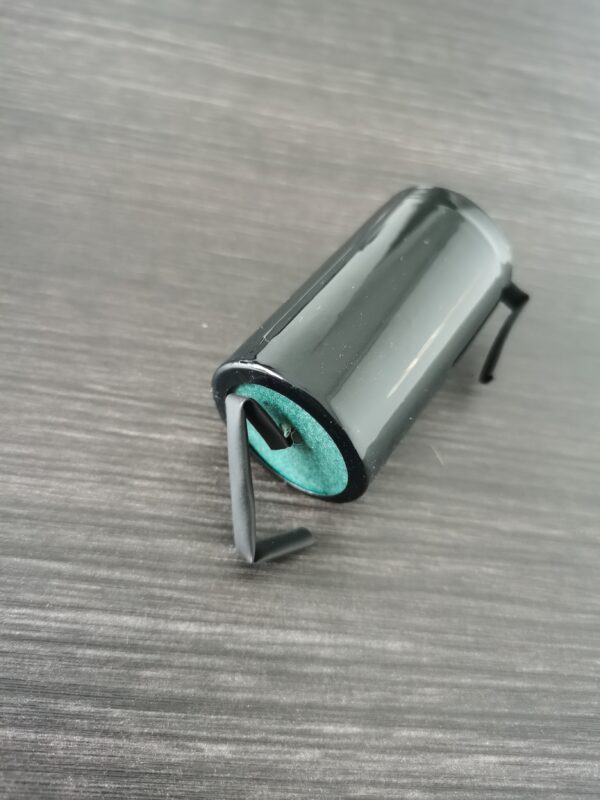
Maxell CR123A 3V Li-MnO₂ Battery Direct Alternative: Technical Breakdown and Sourcing Strategy
For engineering teams and procurement specialists managing high-drain devices such as security sensors, medical telemetry units, and industrial IoT nodes, the Maxell CR123A 3V Li-MnO₂ battery has long been a benchmark for reliability. However, global supply chain volatility and the need for cost-optimized sourcing have driven demand for a validated direct alternative. Identifying a drop-in replacement requires more than matching physical dimensions; it demands a rigorous analysis of electrochemical stability, discharge profiles, and regional compliance. This article provides a technical decomposition of the CR123A specification and evaluates the criteria for selecting a high-performance alternative that meets strict international standards.
Understanding the CR123A Electrochemical Baseline
The CR123A is a non-rechargeable lithium-manganese dioxide (Li-MnO₂) primary cell. The “CR” designation follows IEC 60086 standards, where ‘C’ denotes lithium chemistry and ‘R’ indicates a round cylindrical shape. The nominal voltage is 3.0V, with a typical capacity ranging between 1500mAh and 1700mAh depending on the discharge rate and operating temperature.
Maxell’s iteration is renowned for its low self-discharge rate (typically <1% per year at 20°C) and robust pulse capability. When seeking a Maxell CR123A 3V Li-MnO₂ Battery Direct Alternative, engineers must prioritize cells that utilize high-purity lithium metal anodes and electrolyte formulations optimized for low impedance. The cathode material, manganese dioxide, must be heat-treated to ensure structural integrity during high-current pulses, preventing voltage depression in critical applications like smoke detectors or camera flashes.
Key Parameter Decomposition for Alternative Selection
To ensure functional equivalence, procurement teams should validate alternatives against three core technical pillars:
- Voltage Stability Under Load:
A superior alternative must maintain a flat discharge curve. During constant resistance discharge (e.g., 6.2Ω), the voltage should not drop below 2.0V prematurely. For pulse applications, the internal resistance (AC impedance) should remain below 150mΩ at room temperature. High impedance leads to excessive heat generation and voltage sag, which can trigger low-battery false alarms in security systems. - Temperature Performance:
Industrial applications often operate in extreme environments. A viable alternative must function reliably from -40°C to +85°C. At low temperatures, the electrolyte viscosity increases, slowing ion transport. Quality cells utilize propylene carbonate-based electrolytes to maintain ionic conductivity in freezing conditions, ensuring the battery delivers at least 80% of its room temperature capacity at -20°C. - Safety and Leakage Prevention:
Lithium primary batteries carry inherent risks if the sealing mechanism fails. Look for alternatives featuring laser-welded hermetic seals and PTC (Positive Temperature Coefficient) devices where applicable. The absence of electrolyte leakage after long-term storage or high-temperature exposure is non-negotiable for protecting expensive OEM hardware.
Validation Testing Methodologies
Before mass adoption, any proposed alternative should undergo accelerated lifecycle testing. We recommend the following protocol:
- Storage Testing: Store samples at 60°C for 30 days to simulate long-term shelf life. Measure open-circuit voltage (OCV) recovery and check for seal integrity.
- Pulse Discharge Testing: Simulate actual device usage patterns. For example, apply a 100mA pulse for 2 seconds every hour until the cutoff voltage is reached. Compare the total service hours against the Maxell baseline.
- Transport Compliance: Verify that the alternative meets UN 38.3 testing requirements for lithium battery transportation, including altitude simulation, thermal cycling, and external short circuit tests.
Regional Compliance and Technical Barriers
Navigating global regulatory landscapes is critical for sourcing. A true direct alternative must not only match electrical specs but also adhere to regional safety and environmental directives.
For the European Union, compliance with the EU Battery Directive and REACH regulations is mandatory. This ensures that hazardous substances are restricted and that the battery is recyclable. Additionally, CE marking often requires adherence to specific EMC standards where battery noise can interfere with device certification.
For the United States, UL 1642 certification is the gold standard for lithium primary cells. Many insurance providers and large-scale distributors require UL recognition to mitigate liability risks. Furthermore, compliance with California Proposition 65 regarding chemical exposure warnings is essential for retail distribution in North America.
CNS Battery: Bridging the Gap in Global Supply
Finding a manufacturer that balances technical precision with regional compliance is challenging. CNS Battery has established a robust framework for producing primary lithium cells that serve as reliable alternatives to major Japanese brands. Their manufacturing processes are aligned with IEC and UL standards, ensuring that every CR123A cell produced meets the rigorous demands of Western markets.
By leveraging advanced automation and strict quality control protocols, CNS Battery ensures consistency in voltage profiles and safety mechanisms. Their products are engineered to overcome technical barriers related to temperature extremes and pulse loading, making them suitable for security, medical, and industrial applications across the EU and US markets. For technical datasheets or customization inquiries regarding their primary lithium series, you can visit their product page at https://cnsbattery.com/primary-battery/.
Conclusion
Replacing a established brand like Maxell requires a data-driven approach focused on electrochemical performance and regulatory adherence. A valid Maxell CR123A 3V Li-MnO₂ Battery Direct Alternative must deliver consistent voltage, withstand environmental stress, and comply with UN 38.3, UL, and EU directives. By prioritizing these technical parameters and partnering with compliant manufacturers, engineering teams can secure their supply chains without compromising device reliability. For direct communication regarding specification matching and bulk procurement, please reach out via https://cnsbattery.com/primary-battery-contact-us/ to ensure your project meets all technical and logistical requirements.
