
Maxell CR1220 Li-MnO₂ Battery Replacement for CMOS Backup
Professional Guide for B2B Procurement and Technical Teams
In the realm of electronic device maintenance and manufacturing, the Maxell CR1220 Li-MnO₂ battery stands as a critical component for CMOS backup applications. As lithium primary battery specialists, we understand that selecting the correct replacement battery extends beyond simple compatibility—it demands comprehensive technical evaluation, supply chain reliability, and adherence to international quality standards. This article provides B2B professionals with essential insights into CR1220 battery specifications, replacement protocols, and procurement considerations for global markets including North America, Europe, and Asia-Pacific regions.
Understanding CR1220 Li-MnO₂ Technical Specifications
The CR1220 coin cell battery follows IEC standard nomenclature, where “C” denotes the lithium-manganese dioxide chemistry, “R” indicates round cylindrical shape, “12” represents 12.5mm diameter, and “20” signifies 2.0mm thickness. Key technical parameters include:
- Nominal Voltage: 3.0V DC
- Typical Capacity: 40mAh (varies by manufacturer)
- Chemistry: Lithium-Manganese Dioxide (Li-MnO₂)
- Operating Temperature Range: -20°C to +70°C (standard grade)
- Self-Discharge Rate: Approximately 1-2% per year at 25°C
- Shelf Life: 5-10 years under proper storage conditions
The Li-MnO₂ chemistry offers superior energy density compared to alkaline alternatives, making it ideal for low-current, long-duration applications such as CMOS memory backup, real-time clocks (RTC), and embedded system configuration storage.
CMOS Backup Application Requirements
CMOS batteries serve a critical function in maintaining BIOS/UEFI settings, system time, and hardware configuration data when primary power is disconnected. For B2B buyers evaluating CR1220 replacement options, several factors warrant attention:
Voltage Stability: CMOS circuits typically require stable 2.8-3.3V operation. Quality Li-MnO₂ cells maintain flat discharge curves throughout their service life, ensuring consistent performance without voltage sag that could cause data loss.
Leakage Current: Modern motherboards draw microampere-level currents (typically 1-5μA). Premium CR1220 batteries feature low self-discharge characteristics, extending service intervals to 3-5 years in typical desktop applications.
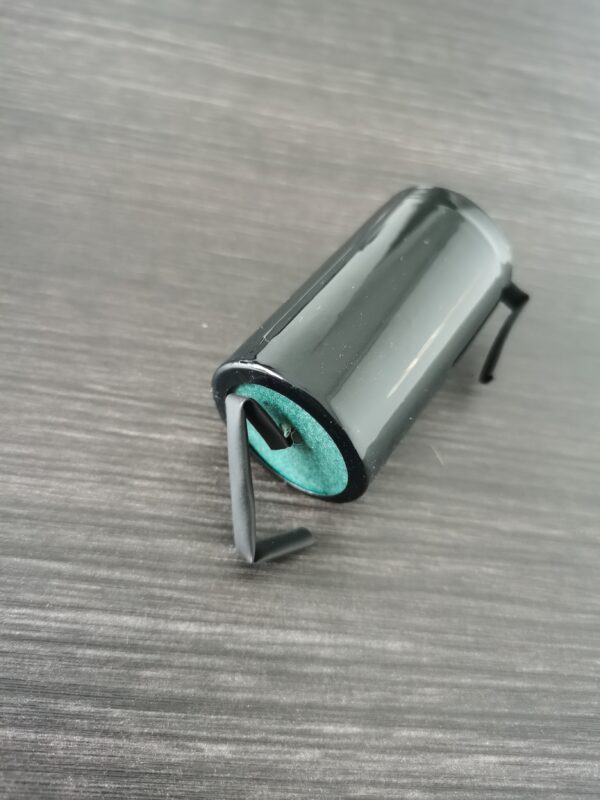
Physical Compatibility: While CR1220 dimensions are standardized, terminal configurations vary. Some applications require pre-soldered tabs, wire leads, or specific holder compatibility. Verify mechanical specifications before bulk procurement.
Replacement Best Practices for Enterprise Deployments
When implementing CR1220 battery replacement programs across enterprise hardware fleets, consider these professional guidelines:
- Electrostatic Discharge (ESD) Protection: Always follow ESD protocols during battery replacement to prevent motherboard damage. Use grounded workstations and anti-static wrist straps.
- Polarity Verification: Incorrect installation can damage CMOS circuits. Verify positive (+) terminal orientation before seating the battery.
- Storage Conditions: Maintain inventory at 15-25°C with 40-60% relative humidity. Avoid temperature extremes that accelerate self-discharge or compromise seal integrity.
- Batch Traceability: For quality assurance, request manufacturing date codes and batch documentation from suppliers. This enables tracking in case of field failures.
- Disposal Compliance: Li-MnO₂ batteries require proper recycling per local regulations (WEEE in Europe, state laws in USA, etc.). Establish compliant disposal channels before deployment.
Supplier Selection Criteria for Global B2B Buyers
Choosing the right lithium primary battery supplier impacts product reliability, compliance, and total cost of ownership. Evaluate potential partners against these criteria:
Certification Portfolio: Verify ISO 9001 quality management, IEC 60086 compliance, UN 38.3 transportation certification, and RoHS/REACH environmental compliance. These certifications ensure manufacturing consistency and regulatory acceptance across target markets.
Technical Support Capability: Quality suppliers provide application engineering support, including discharge curve analysis, temperature performance data, and custom configuration options (tabs, wires, packaging).
Supply Chain Stability: Assess manufacturing capacity, lead times, and geographic distribution. For North American buyers, consider suppliers with US warehouse presence. European purchasers should verify CE marking and local compliance documentation.
Quality Testing: Request sample testing reports including capacity verification, leakage testing, and storage performance data. Reputable manufacturers maintain comprehensive quality records.
For detailed product specifications and technical consultation, explore comprehensive primary battery solutions that meet international standards and B2B procurement requirements.
Regional Market Considerations
North America: UL certification and DOT transportation compliance are essential. Many enterprise buyers require domestic inventory for rapid deployment.
European Union: CE marking, REACH compliance, and WEEE registration are mandatory. Battery Directive 2006/66/EC governs labeling and disposal requirements.
Asia-Pacific: Japan and South Korea maintain stringent quality expectations. Maxell-originated specifications often serve as regional benchmarks.
Emerging Markets: Verify local import regulations and certification requirements before shipment. Some regions require additional testing or documentation.
Conclusion: Strategic Battery Procurement for Long-Term Value
The Maxell CR1220 Li-MnO₂ battery remains an industry standard for CMOS backup applications, but successful replacement programs require more than component selection. B2B professionals must evaluate technical specifications, supplier capabilities, compliance requirements, and total lifecycle costs. By partnering with qualified lithium primary battery manufacturers who understand enterprise deployment challenges, organizations can ensure reliable device operation, minimize maintenance intervals, and maintain regulatory compliance across global markets.
For technical inquiries, customization requirements, or bulk procurement discussions, contact our primary battery specialist team to discuss your specific application needs and receive comprehensive support for your CMOS battery replacement initiatives.
This technical guide serves B2B procurement managers, electronics manufacturers, IT asset managers, and maintenance professionals seeking reliable CR1220 battery solutions for enterprise deployments worldwide.
