Mass Production Cylindrical Battery Factory | CNS BATTERY
The global transition toward electrification has intensified demand for reliable, high-performance energy storage solutions. At the forefront of this transformation stands the mass production cylindrical battery factory, a critical infrastructure enabling scalable power for electric vehicles, energy storage systems, and industrial applications. CNS BATTERY operates as a leading manufacturer in this space, combining advanced production capabilities with rigorous quality control to deliver cylindrical battery cells that meet international standards.
Understanding Cylindrical Battery Technology
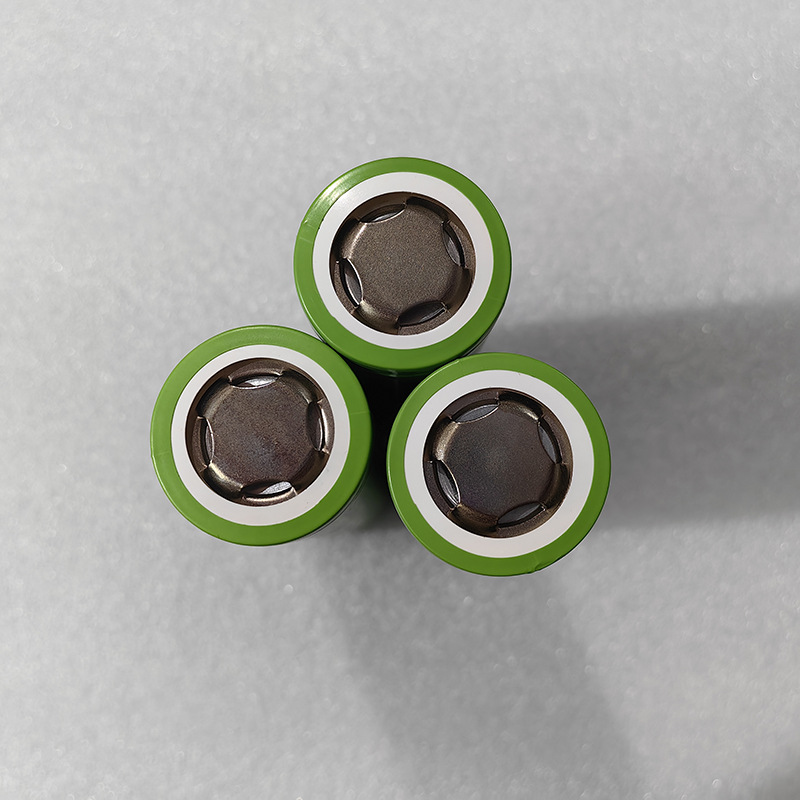
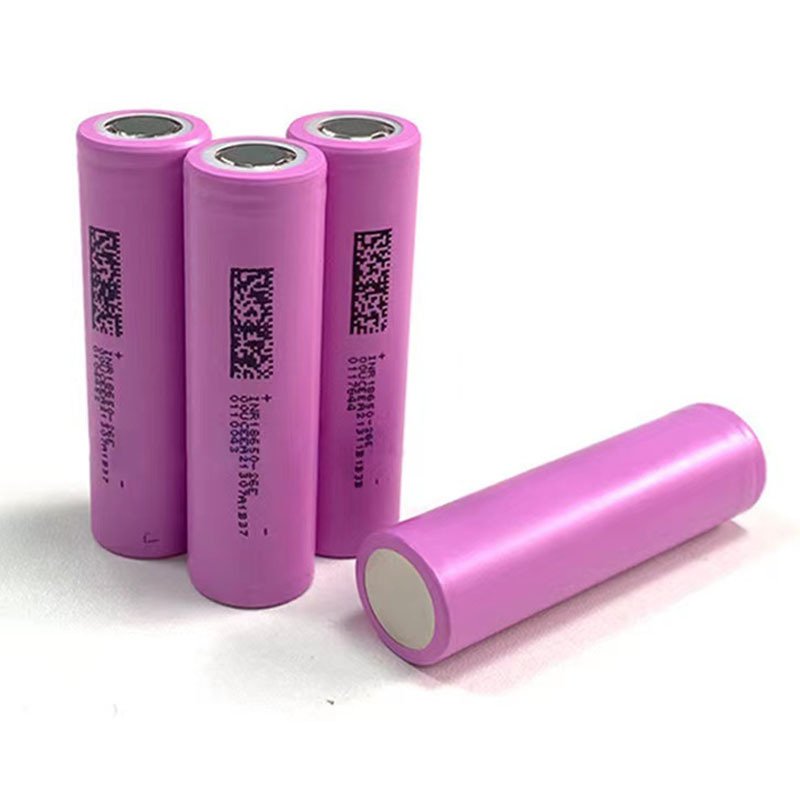
Cylindrical batteries remain the preferred choice for many applications due to their mechanical stability, mature manufacturing processes, and excellent thermal management characteristics. The cylindrical form factor distributes internal pressure evenly during charge-discharge cycles, reducing the risk of swelling or deformation. At the core of this technology lies the lithium-ion chemistry, where lithium ions move between the cathode and anode through an electrolyte, generating electrical current.
The production of these cells requires precision engineering at every stage—from electrode coating and winding to electrolyte filling and formation cycling. A professional cylindrical battery cell manufacturing facility must maintain strict environmental controls, particularly regarding humidity and particulate contamination, to ensure cell consistency and longevity.
Core Capabilities of a Mass Production Facility
1. Automated Production Lines
Modern cylindrical battery factories rely heavily on automation to achieve the scale and consistency demanded by global OEMs. Robotic systems handle electrode winding, cell assembly, and quality inspection, minimizing human error while maximizing throughput. CNS BATTERY’s production facilities integrate Industry 4.0 principles, enabling real-time monitoring of key parameters such as winding tension, electrolyte volume, and welding quality.
2. Quality Control and Testing
Every cylindrical cell undergoes multiple testing phases before shipment. These include capacity verification, internal resistance measurement, insulation testing, and safety evaluations such as short-circuit and overcharge tests. Statistical process control (SPC) systems track production data continuously, ensuring that any deviation from specifications triggers immediate corrective action. This systematic approach is essential for manufacturers seeking long-term partnerships with automotive or energy storage clients.
3. Scalability and Flexibility
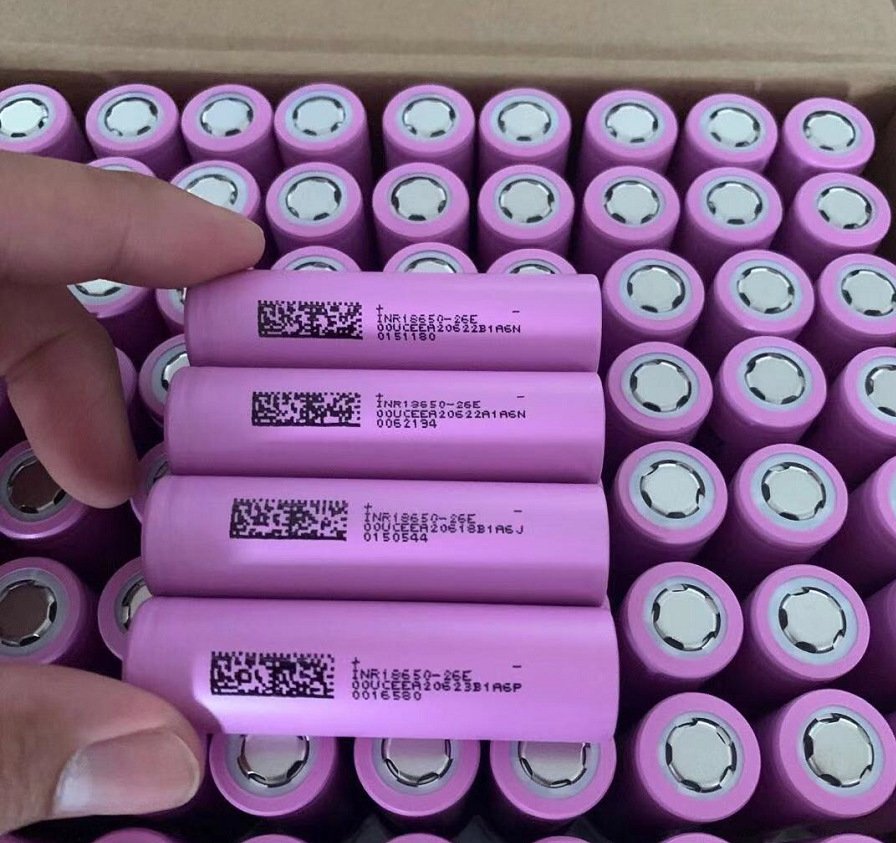
A true mass production facility must balance volume with adaptability. CNS BATTERY supports various cylindrical cell formats, including standard 18650, 21700, and emerging 4680 configurations. This flexibility allows customers to select optimal form factors for their specific applications without compromising on supply chain reliability. For detailed product specifications, visit our cylindrical battery cell catalog.
Technical Considerations for B2B Buyers
When evaluating potential battery suppliers, overseas engineers and procurement specialists should assess several critical factors:
- Cell Chemistry Options: NMC, LFP, and NCA chemistries each offer distinct advantages regarding energy density, cycle life, and thermal stability.
- Production Capacity: Annual output capability determines whether a supplier can support large-scale projects without delivery delays.
- Certification Compliance: ISO 9001, IATF 16949, UN38.3, and CE certifications indicate adherence to international quality and safety standards.
- Technical Support: Post-sales engineering support ensures smooth integration into customer systems.
CNS BATTERY maintains comprehensive certification portfolios and provides dedicated technical assistance throughout the product lifecycle. Companies seeking verified manufacturing partners in China can explore our credentials as one of the trusted battery manufacturers in China.
Supply Chain Integration and Logistics
Beyond production capabilities, a reliable cylindrical battery supplier must demonstrate robust supply chain management. This includes secure sourcing of raw materials such as lithium carbonate, cobalt, and nickel, as well as efficient logistics networks for global distribution. CNS BATTERY has established partnerships with upstream material suppliers to stabilize costs and ensure consistent quality across production batches.
For international buyers, understanding lead times, shipping terms, and customs documentation is equally important. Our team coordinates closely with freight forwarders to minimize transit delays while maintaining compliance with hazardous material transportation regulations.
Partnership Opportunities
The cylindrical battery market continues to expand as electrification accelerates across transportation, renewable energy, and consumer electronics sectors. Selecting the right manufacturing partner requires thorough due diligence on production capabilities, quality systems, and long-term reliability.
CNS BATTERY welcomes inquiries from engineers, procurement teams, and business developers seeking dependable cylindrical battery solutions. Our facilities are open for audits, and sample requests can be arranged to support evaluation processes. To initiate discussions or request technical documentation, please reach out through our contact page.
Conclusion
Mass production of cylindrical batteries demands more than equipment investment—it requires systematic expertise, quality discipline, and customer-focused service. CNS BATTERY combines these elements to deliver cylindrical battery cells that power the next generation of electric applications. As the industry evolves, our commitment to innovation and reliability positions us as a strategic partner for global businesses navigating the energy transition.
For technical specifications, capacity planning, or partnership discussions, our team stands ready to support your project requirements with professionalism and precision.