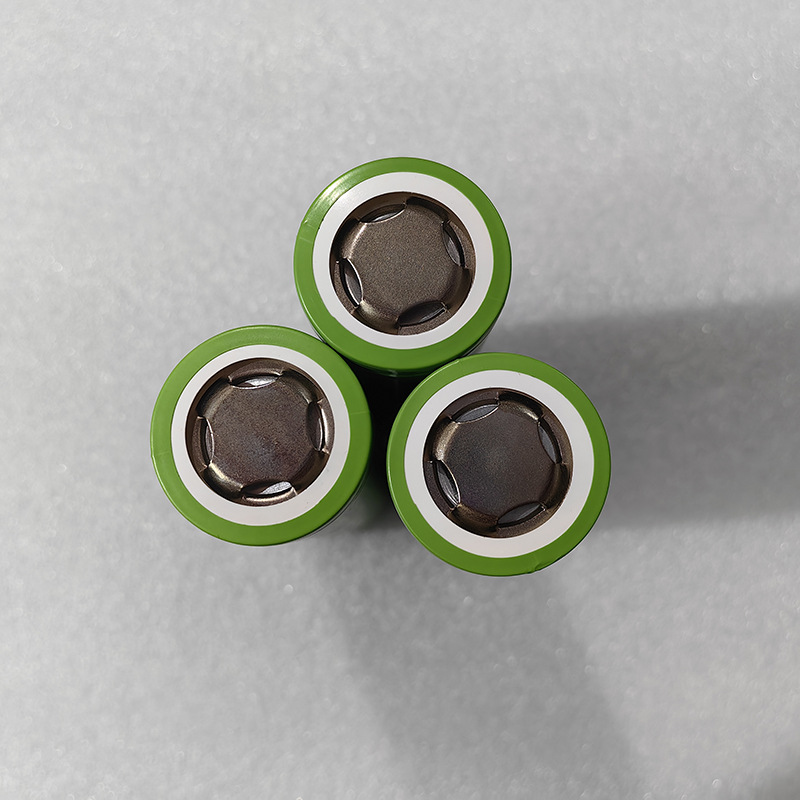
Low Temperature Performance 40135 LFP Cells for E-bike in Cold Climates China Factory Direct
For technical purchasers and battery engineers designing electric mobility solutions for Northern Europe, Canada, or the Northern United States, the winter performance of Lithium Iron Phosphate (LFP) chemistry remains a critical bottleneck. While LFP offers superior safety and cycle life compared to NCM, its ionic conductivity drops significantly below 0°C. However, recent advancements in cell engineering have shifted this paradigm. This analysis focuses on the Low Temperature Performance 40135 LFP Cells for E-bike in Cold Climates China Factory Direct, dissecting the technical modifications that enable reliable operation in sub-zero environments while maintaining compliance with stringent international standards.
The 40135 Form Factor: Balancing Energy and Thermal Mass
The 40135 cylindrical cell format (40mm diameter, 135mm height) represents a strategic evolution in e-bike battery pack design. Unlike traditional 18650 or 21700 cells, the 40135 offers a higher single-cell capacity, reducing the total number of parallel connections required for a 48V or 52V pack. From a thermal management perspective, this larger form factor provides greater thermal mass, which slows down heat loss in cold climates. However, the core challenge lies in internal resistance.
Advanced 40135 LFP cells utilize optimized electrode coating densities and tab designs to minimize electron transport paths. For engineers sourcing from a China factory direct supply chain, verifying the specific internal resistance (IR) at -20°C is paramount. High-quality cells should maintain an IR increase of less than 3x compared to room temperature values, ensuring that voltage sag under load does not trigger premature BMS low-voltage cutoffs during winter commutes.
Electrolyte Engineering for Cold Climate Resilience
The primary limiter of LFP low-temperature performance is the electrolyte. Standard carbonate-based electrolytes tend to increase in viscosity and freeze at low temperatures, hindering lithium-ion migration. To address this, next-generation 40135 cells incorporate specialized low-temperature electrolyte additives. These additives lower the melting point of the solvent system and stabilize the Solid Electrolyte Interphase (SEI) layer on the graphite anode.
Recent industry data from 2025-2026 indicates that optimized LFP formulations can retain over 85% of their discharge capacity at -20°C, a significant improvement over the 60-70% typical of legacy cells. This is achieved without compromising the thermal stability that makes LFP the preferred chemistry for safety-conscious markets. For technical buyers evaluating suppliers, requesting detailed discharge curve data at -10°C, -20°C, and -30°C is essential. Reliable manufacturers, such as those listed among top battery manufacturers in China, will provide transparent test reports validating these claims rather than relying on nominal room-temperature specs.
Validation Testing Protocols
To ensure the Low Temperature Performance 40135 LFP Cells meet real-world demands, rigorous testing protocols must be applied. Engineers should look for validation beyond simple capacity retention. Key metrics include:
- Cold Charge Acceptance: Can the cell accept a charge at 0°C without lithium plating? Advanced cells allow limited charging at low temperatures, but most require internal heating or external thermal management.
- Cycle Life at Low Temp: Does repeated cycling in cold conditions accelerate degradation? High-quality cells should demonstrate minimal capacity fade after 500 cycles at 0°C.
- Thermal Runaway Propagation: Even in cold climates, safety is non-negotiable. The 40135 steel casing provides robust mechanical protection, but cell-to-cell thermal propagation testing is required for pack certification.
For those seeking specific cylindrical cell specifications that meet these rigorous demands, detailed technical sheets are available at our cylindrical battery cell product page.
Regional Compliance and Technical Barriers
Sourcing battery cells directly from China offers cost advantages, but regional compliance is the gatekeeper for market entry. For the EU market, compliance with the new EU Battery Regulation (2023) regarding carbon footprint and due diligence is mandatory. Additionally, UN38.3 testing for transportation safety is a baseline requirement for all lithium batteries shipped internationally.
In the United States, UL 2849 certification for the entire e-bike electrical system is becoming the de facto standard for insurance and retail acceptance. The 40135 LFP cell must be part of a system that passes these rigorous safety tests. The inherent stability of LFP chemistry aids significantly in passing UL thermal abuse tests. However, the BMS integration is equally critical. A factory-direct partner must understand these regional nuances, ensuring that the cells provided are not just technically capable but also documented for regulatory approval.
Conclusion: Strategic Sourcing for Cold Climate Mobility
The deployment of e-bikes in cold climates requires a holistic approach to battery technology. The 40135 LFP cell format, when engineered with low-temperature electrolytes and validated through rigorous cold-cycle testing, offers a compelling solution that balances safety, longevity, and winter performance. For engineering teams and procurement specialists, the key lies in partnering with manufacturers who prioritize transparency and compliance.
By selecting cells designed specifically for harsh environments, OEMs can reduce warranty claims and enhance user trust in winter conditions. For further technical consultation or to request samples for validation testing, please reach out via our contact page. Ensuring your e-bike platform is equipped with cells that thrive in the cold is not just a technical specification—it is a competitive advantage in the growing global micromobility market.