

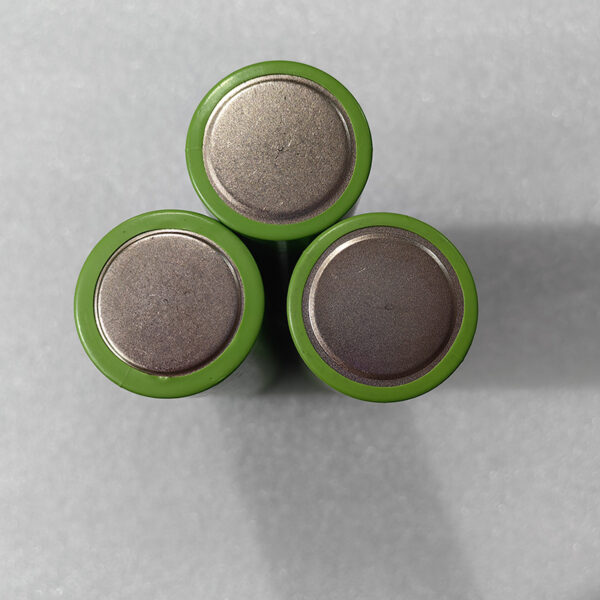
Low Temperature Performance 18650 LFP Cells for ESS – 2026 Buyer’s Guide
As we navigate through 2026, the global Energy Storage System (ESS) market continues to expand rapidly, driven by the urgent transition toward renewable energy and decentralized power grids. Among various chemistries, Lithium Iron Phosphate (LFP) has solidified its position as the dominant choice for stationary storage due to its inherent safety, long cycle life, and cost-effectiveness. However, for system integrators and procurement managers operating in high-latitude regions or environments prone to extreme weather, the low temperature performance of 18650 LFP cells remains a critical technical bottleneck. This guide provides a professional analysis for B2B buyers seeking reliable cylindrical cells for ESS applications in the current market landscape.
The Technical Challenge: LFP Chemistry in Cold Climates
To understand the buying criteria, one must first understand the electrochemical limitations. LFP chemistry is known for its stable olivine structure, which prevents thermal runaway but exhibits lower ionic conductivity compared to NCM (Nickel Cobalt Manganese) chemistries. At temperatures below 0°C, the viscosity of the electrolyte increases, and the diffusion rate of lithium ions at the anode-separator interface slows significantly.
In traditional cells, this results in severe capacity loss and, more dangerously, lithium plating during charging. Lithium plating can pierce the separator, leading to internal short circuits. In 2026, advanced manufacturing techniques have mitigated these risks. Leading manufacturers now utilize optimized electrolyte additives with lower freezing points and nano-coated cathode materials to enhance ion transport kinetics. When evaluating 18650 LFP cells, buyers must request specific data sheets detailing discharge capacity retention at -20°C and the minimum permissible charging temperature.
Key Performance Indicators for 2026 Procurement
When sourcing cylindrical cells for ESS, standard capacity ratings at 25°C are insufficient. A professional buyer’s checklist should include:
- Low-Temp Discharge Efficiency: High-quality cells should retain at least 85-90% of their nominal capacity at -20°C under standard discharge rates (0.5C).
- Charging Protocols: Verify if the cell supports charging below 0°C. Most standard LFP cells require heating before charging. Advanced 2026 models may support limited low-temperature charging without external heating, reducing system complexity.
- Cycle Life Consistency: Cold stress accelerates degradation. Ensure the manufacturer guarantees cycle life (e.g., 6000+ cycles) under varying thermal conditions, not just ideal laboratory environments.
- Consistency and BMS Compatibility: For ESS packs involving hundreds of 18650 cells, voltage and internal resistance consistency are paramount. Poor consistency exacerbates voltage divergence in cold weather, triggering premature BMS cutoffs.
For a comprehensive range of cylindrical solutions tailored to these rigorous standards, buyers can explore specialized catalogs such as the one available at Cylindrical Battery Cell.
The Strategic Advantage of 18650 Form Factor in ESS
While prismatic and pouch cells are common in large-scale storage, the 18650 cylindrical format offers distinct advantages for modular ESS designs, particularly in residential and commercial telecom backup systems. The steel casing provides robust mechanical protection against thermal expansion and contraction caused by temperature fluctuations. Furthermore, the mature manufacturing ecosystem around 18650 cells ensures higher availability and cost stability.
In regions like Northern Europe, Canada, and parts of Asia experiencing harsh winters, the thermal mass of cylindrical packs allows for more efficient thermal management system (TMS) design. However, this benefit is nullified if the core cell chemistry cannot withstand the cold. Therefore, partnering with a supplier who understands thermal dynamics is essential.
Selecting Reliable Battery Manufacturers in China
China remains the global hub for lithium battery production, accounting for a significant majority of the supply chain. However, the quality variance among suppliers is substantial. In 2026, the market has matured, separating tier-1 manufacturers from assembly workshops. For international buyers, verifying the manufacturing capability, R&D investment, and quality control systems (ISO9001, IEC62619) is non-negotiable.
When searching for partners, look for manufacturers who offer transparent technical support and customizations for specific thermal requirements. A reliable partner should provide third-party testing reports verifying low-temperature claims. For those vetting potential supply chain partners, a detailed overview of credible Battery Manufacturers in China can serve as a valuable starting point for due diligence.
Conclusion and Next Steps
The demand for ESS solutions capable of withstanding extreme environments will only grow throughout 2026 and beyond. Selecting the right 18650 LFP cells is not merely about cost per watt-hour; it is about ensuring system reliability, safety, and longevity under thermal stress. By prioritizing low-temperature performance metrics and partnering with verified manufacturers, system integrators can mitigate risk and deliver superior value to end-users.
For detailed technical specifications, custom quotes, or to discuss specific project requirements regarding low-temperature ESS applications, professional consultation is recommended. Please reach out directly via our Contact Page to connect with our engineering team. Ensuring your energy storage infrastructure is winter-ready begins with the right cell selection today.

