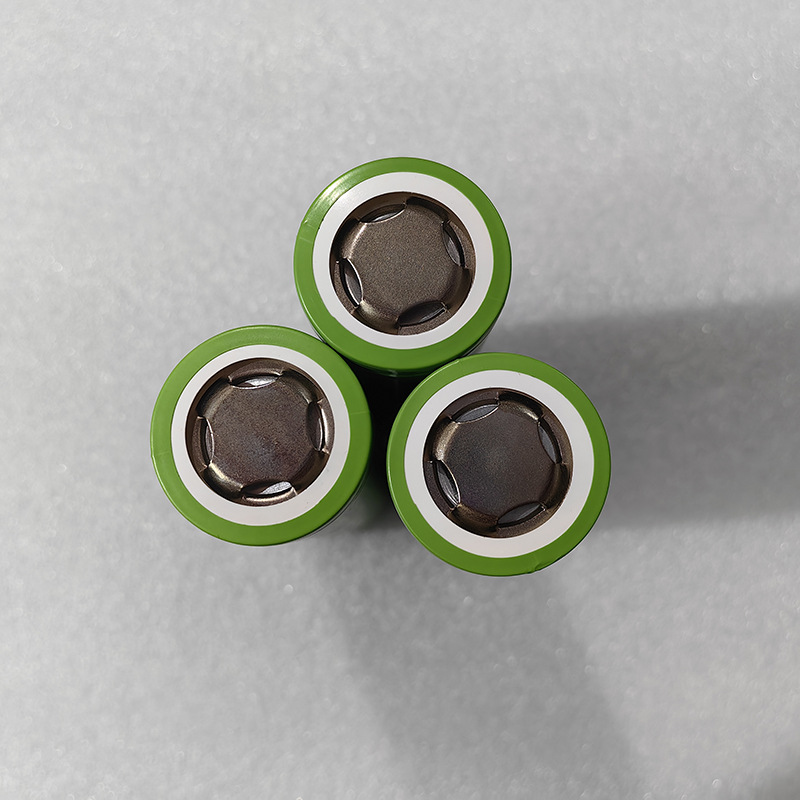
Low Temperature Discharge Cylindrical Battery Cell: Achieving 90% Capacity at -20℃
Introduction
In extreme cold environments, conventional lithium-ion batteries suffer significant capacity loss, often dropping below 50% at -20℃. However, advanced low temperature discharge cylindrical battery cells are now capable of maintaining 90% capacity retention even at -20℃, revolutionizing applications in aerospace, electric vehicles, military equipment, and outdoor energy storage systems. This breakthrough addresses one of the most critical challenges in battery technology today.
Understanding Low Temperature Battery Performance
The Cold Weather Challenge
Standard lithium-ion cells experience electrolyte viscosity increase and lithium plating at sub-zero temperatures. This results in:
- Reduced ion mobility
- Increased internal resistance
- Accelerated capacity degradation
- Potential safety risks during charging
Technical Solutions for -20℃ Operation
Achieving 90% capacity at -20℃ requires specialized engineering:
- Electrolyte Formulation: Low-temperature electrolytes with reduced freezing points maintain ion conductivity
- Anode Optimization: Modified graphite structures prevent lithium plating
- Cell Design: Cylindrical configurations offer superior thermal distribution and mechanical stability
- BMS Integration: Smart battery management systems monitor temperature and adjust discharge rates
Cylindrical Battery Cell Advantages
Cylindrical battery cells provide distinct benefits for cold climate applications:
| Feature | Benefit |
|---|---|
| Structural Integrity | Better pressure resistance in thermal cycling |
| Heat Dissipation | Uniform temperature distribution |
| Manufacturing Maturity | Consistent quality and reliability |
| Scalability | Easy integration into battery packs |
For engineers evaluating battery options, exploring dedicated cylindrical battery cell specifications is essential for project success.
Key Performance Metrics
When selecting low-temperature batteries, consider these critical parameters:
- Capacity Retention: Minimum 90% at -20℃
- Discharge Rate: Stable performance at 1C-3C in cold conditions
- Cycle Life: 1000+ cycles with minimal degradation
- Operating Range: -40℃ to 60℃ for comprehensive coverage
- Safety Certifications: UN38.3, IEC62133, UL compliance
Application Scenarios
Electric Vehicles in Cold Regions
Northern Europe, Canada, and Russia require batteries that maintain range and power output during winter months.
Military and Defense Equipment
Field operations demand reliable power sources regardless of environmental conditions.
Renewable Energy Storage
Outdoor solar and wind installations need batteries that perform consistently through seasonal temperature variations.
Aerospace and Aviation
High-altitude applications experience extreme cold requiring specialized battery solutions.
Selecting the Right Manufacturer
Partnering with experienced battery manufacturers in China provides access to cost-effective, high-quality low-temperature battery solutions. Key selection criteria include:
- Proven low-temperature testing data
- Quality management certifications (ISO9001, IATF16949)
- Customization capabilities
- Technical support and after-sales service
- Supply chain stability
Technical Implementation Considerations
Pre-heating Strategies
While these cells perform at -20℃ without pre-heating, integrating mild pre-heating can extend cycle life in continuous cold operations.
Pack Design
Ensure proper thermal insulation and heating element integration for optimal system performance.
Charging Protocols
Implement temperature-dependent charging limits to prevent lithium plating during cold weather charging cycles.
Quality Assurance and Testing
Reliable manufacturers conduct comprehensive testing including:
- Temperature cycling tests (-40℃ to 60℃)
- Capacity retention verification at multiple temperatures
- Long-term cycle life testing in cold conditions
- Safety tests under extreme scenarios
Conclusion
Low temperature discharge cylindrical battery cells maintaining 90% capacity at -20℃ represent a significant advancement in energy storage technology. For engineers and technical purchasers, understanding these capabilities enables better system design and reliable operation in challenging environments.
To discuss your specific requirements or request technical specifications, visit our contact page for direct communication with our engineering team. Proper battery selection ensures optimal performance, safety, and longevity for your cold climate applications.
Keywords: low temperature battery, cylindrical battery cell, -20℃ battery, cold weather lithium ion, battery capacity retention, extreme temperature energy storage