

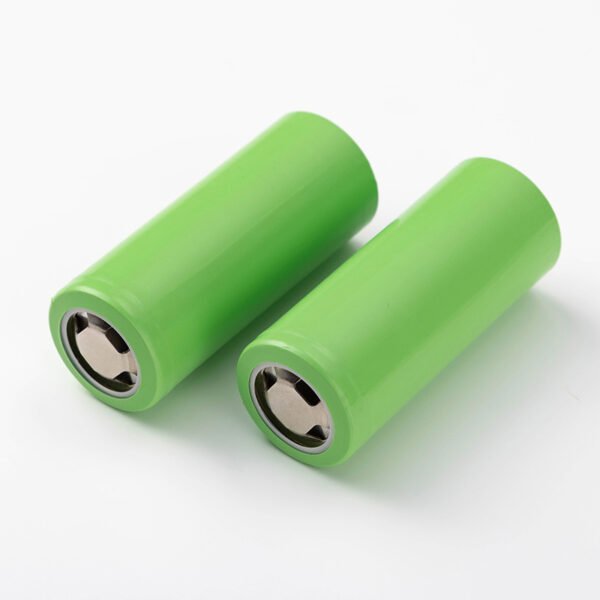
Low Self-Discharge Li-SOCl₂ Battery | <1% Per Year Self-Discharge
In the realm of primary lithium battery technology, few chemistries deliver the exceptional long-term reliability of lithium-thionyl chloride (Li-SOCl₂) batteries. Among their most critical performance characteristics is the ultra-low self-discharge rate—typically less than 1% per year at ambient temperatures. This distinctive feature makes Li-SOCl₂ batteries the preferred power solution for applications requiring extended service life, minimal maintenance, and dependable performance in remote or inaccessible installations.
Understanding the Li-SOCl₂ Chemistry
Li-SOCl₂ batteries belong to the lithium metal primary battery family, utilizing lithium as the anode and thionyl chloride (SOCl₂) serving dual roles as both cathode active material and electrolyte solvent. The electrochemical reaction proceeds as follows:
4Li + 2SOCl₂ → 4LiCl + S + SO₂
This reaction generates a nominal voltage of 3.6V, significantly higher than most other primary battery chemistries. The lithium anode forms a protective passivation layer (LiCl) during storage, which fundamentally enables the remarkably low self-discharge rate. This passivation film prevents continuous electrolyte decomposition while remaining permeable enough to allow current flow when the battery is under load.
Core Advantages of <1% Annual Self-Discharge
Extended Shelf Life and Operational Longevity
With self-discharge rates below 1% per year at 20-25°C, Li-SOCl₂ batteries can maintain over 90% of their initial capacity after a decade of storage. This characteristic is particularly valuable for emergency backup systems, military equipment, and infrastructure monitoring devices that may remain dormant for extended periods before activation.
Reduced Total Cost of Ownership
The minimal capacity loss during storage translates directly into lower replacement frequency and reduced maintenance costs. For industrial IoT deployments spanning thousands of nodes across remote locations, this advantage becomes economically significant when calculating lifecycle expenses.
Consistent Voltage Performance
Unlike rechargeable lithium-ion batteries that experience gradual voltage decay during storage, Li-SOCl₂ cells maintain stable open-circuit voltage throughout their shelf life. This ensures predictable performance when the device is finally deployed, eliminating the need for pre-installation capacity verification.
Technical Considerations for Engineering Teams
Temperature Dependencies
While the <1% self-discharge specification applies at room temperature (20-25°C), engineers must account for elevated storage conditions. At 40°C, self-discharge rates may increase to 2-3% annually. Proper thermal management during warehousing and transportation remains essential for preserving battery integrity.
Passivation Layer Management
The protective LiCl film that enables low self-discharge can cause temporary voltage depression upon initial load application, known as “voltage delay.” For applications requiring immediate high-current pulses after long storage, hybrid designs incorporating capacitors or specialized cell constructions should be considered.
Safety and Certification Compliance
Quality Li-SOCl₂ batteries feature hermetic glass-to-metal seals and laser-welded stainless steel casings to prevent electrolyte leakage. When sourcing batteries, verify UN38.3, IEC, CE, and RoHS certifications to ensure compliance with international transportation and safety standards.
Application Scenarios Benefiting from Low Self-Discharge
- Utility Metering (AMR/AMI): Gas, water, and electricity meters requiring 10-15 year battery life
- Asset Tracking: GPS trackers and RFID tags deployed across supply chains
- Industrial IoT Sensors: Environmental monitoring, structural health monitoring, and predictive maintenance systems
- Medical Devices: Implantable and portable diagnostic equipment requiring reliable long-term power
- Security Systems: Remote alarms and surveillance equipment in locations without regular maintenance access
Selection Guidelines for Technical Procurement
When evaluating Li-SOCl₂ battery suppliers, consider the following criteria:
- Verified Self-Discharge Data: Request accelerated aging test reports confirming <1% annual loss at 25°C
- Manufacturing Consistency: Ensure ISO-certified production facilities with traceable quality control
- Customization Capability: Assess ability to provide tailored solutions for specific voltage, capacity, and form factor requirements
- Technical Support: Verify availability of engineering assistance for integration and optimization
For comprehensive product specifications and technical documentation, explore our complete range of primary lithium batteries at https://cnsbattery.com/primary-battery/. Our engineering team can provide detailed datasheets, customization options, and application-specific recommendations.
Conclusion
The sub-1% annual self-discharge rate of Li-SOCl₂ batteries represents a critical advantage for applications demanding long-term, maintenance-free operation. By understanding the underlying electrochemistry, environmental factors, and integration considerations, engineering teams and procurement specialists can make informed decisions that optimize both performance and total cost of ownership. As IoT deployments continue expanding into remote and challenging environments, the reliability offered by low self-discharge Li-SOCl₂ technology becomes increasingly indispensable.
For technical inquiries, customization requests, or partnership discussions, please contact us at https://cnsbattery.com/primary-battery-contact-us/. Our specialists are ready to support your project requirements with expert guidance and reliable battery solutions.

