
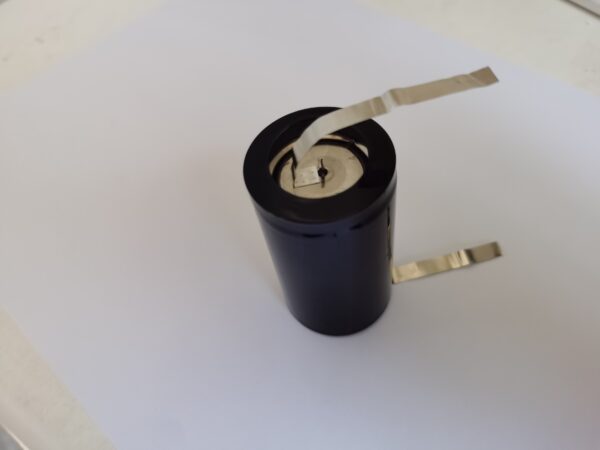
Low Self-Discharge Li-MnO₂ Battery | <2% Per Year
Introduction
In the rapidly evolving landscape of industrial power solutions, low self-discharge Li-MnO₂ batteries have emerged as the gold standard for long-term reliability. With an industry-leading self-discharge rate of less than 2% per year, these primary lithium batteries deliver exceptional performance for mission-critical applications requiring extended shelf life and consistent voltage output. For B2B manufacturers and system integrators, understanding the technical advantages of Li-MnO₂ chemistry is essential for optimizing product design and reducing total cost of ownership.
Core Advantages of Low Self-Discharge Li-MnO₂ Technology
1. Superior Shelf Life Performance
The hallmark of premium Li-MnO₂ batteries lies in their minimal capacity loss during storage. At ambient temperature (23°C), these cells retain over 98% of their initial capacity annually, enabling 10+ years of shelf life without significant degradation. This characteristic makes them ideal for:
- Emergency backup systems
- Remote monitoring devices
- Medical implantable equipment
- IoT sensors in hard-to-reach locations
The low self-discharge mechanism stems from advanced electrolyte formulations and hermetic sealing technologies that minimize internal parasitic reactions between the lithium anode and manganese dioxide cathode.
2. Stable Voltage Profile Throughout Discharge
Li-MnO₂ primary batteries maintain a flat discharge curve at approximately 3.0V nominal voltage, ensuring consistent power delivery from initial installation through end-of-life. This voltage stability is critical for:
- Memory backup circuits in industrial controllers
- Real-time clocks (RTC) in embedded systems
- Security devices requiring reliable trigger thresholds
Unlike alkaline or nickel-based alternatives, Li-MnO₂ chemistry exhibits minimal voltage depression even under low-current drain conditions typical of standby applications.
3. Wide Operating Temperature Range
Industrial-grade Li-MnO₂ cells operate reliably across -40°C to +85°C, making them suitable for extreme environmental conditions. This thermal resilience is achieved through:
- Optimized organic electrolyte blends (LiClO₄ in PC/DME solvents)
- Robust cell construction with laser-welded seals
- Enhanced cathode material processing
Such temperature tolerance eliminates the need for thermal management systems in many applications, reducing overall system complexity and cost.
Technical Specifications for B2B Integration
| Parameter | Typical Value |
|---|---|
| Nominal Voltage | 3.0V |
| Self-Discharge Rate | <2%/year at 23°C |
| Operating Temperature | -40°C to +85°C |
| Shelf Life | 10+ years |
| Energy Density | 280-350 Wh/kg |
| Internal Resistance | <10Ω (varies by form factor) |
These specifications position Li-MnO₂ batteries as the preferred choice for applications demanding long-term reliability without maintenance.
Key Applications Driving Market Demand
Industrial IoT and Smart Metering
The proliferation of connected devices in utility infrastructure requires power sources that can operate unattended for extended periods. Li-MnO₂ batteries enable 10-year deployment cycles for water, gas, and electricity meters without battery replacement.
Medical and Safety Equipment
Implantable cardiac devices, emergency beacons, and fire alarm systems depend on the predictable performance of low self-discharge lithium cells. The <2% annual capacity loss ensures devices remain operational throughout their certified service life.
Automotive Electronics
Vehicle tracking systems, tire pressure monitoring sensors (TPMS), and keyless entry modules benefit from the temperature resilience and vibration resistance of cylindrical Li-MnO₂ formats.
Quality Assurance and Compliance
When sourcing Li-MnO₂ batteries for commercial applications, B2B buyers should verify:
- UN 38.3 certification for safe transportation
- IEC 60086-4 compliance for primary lithium cells
- RoHS and REACH conformity for environmental regulations
- Batch-level quality documentation including self-discharge test data
Reputable manufacturers provide comprehensive technical support and custom packaging solutions to meet specific integration requirements. For detailed product specifications and customization options, visit our primary battery product page.
Conclusion: Strategic Value for Long-Term Projects
The <2% per year self-discharge rate of modern Li-MnO₂ batteries represents more than a technical specification—it delivers tangible business value through reduced warranty claims, minimized field service costs, and enhanced end-user satisfaction. For OEMs and system designers, selecting low self-discharge lithium manganese dioxide cells is an investment in product reliability and brand reputation.
Partner with experienced battery suppliers who understand the nuances of primary lithium technology and can provide application-specific engineering support. To discuss your project requirements or request technical documentation, contact our battery specialists for personalized consultation.
This technical overview is intended for B2B professionals evaluating primary battery solutions for industrial, medical, and consumer electronics applications. All specifications are subject to verification based on specific cell formats and manufacturing processes.
