Low Self Discharge Battery For Portable Power | CNS BATTERY
Introduction: The Critical Role of Self-Discharge in Portable Energy Systems
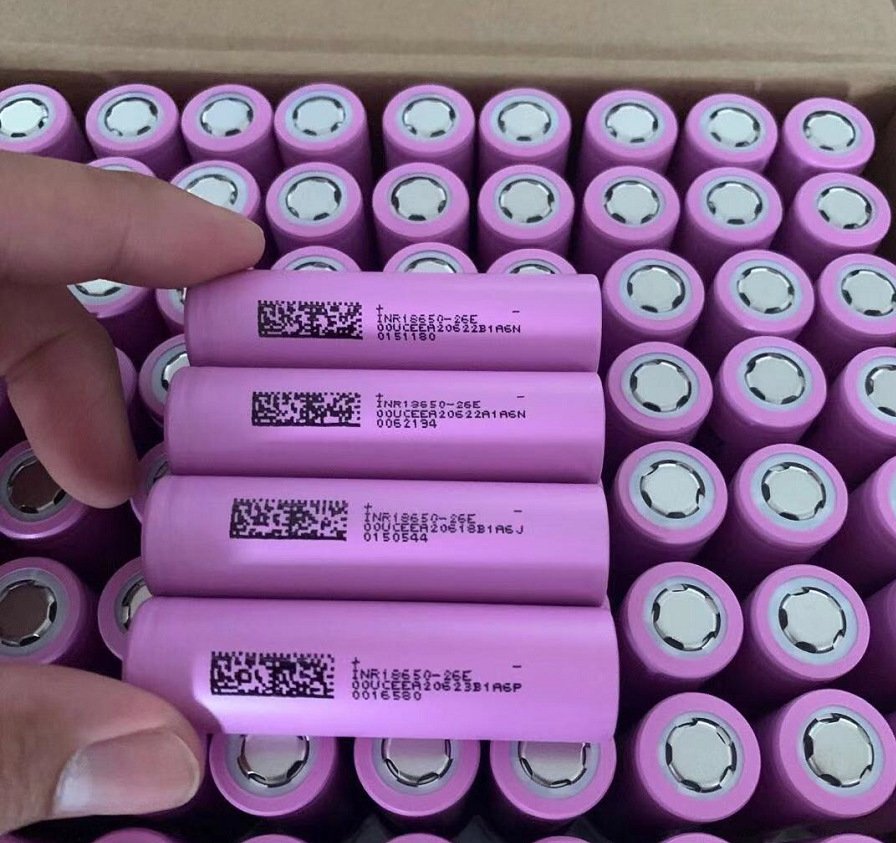
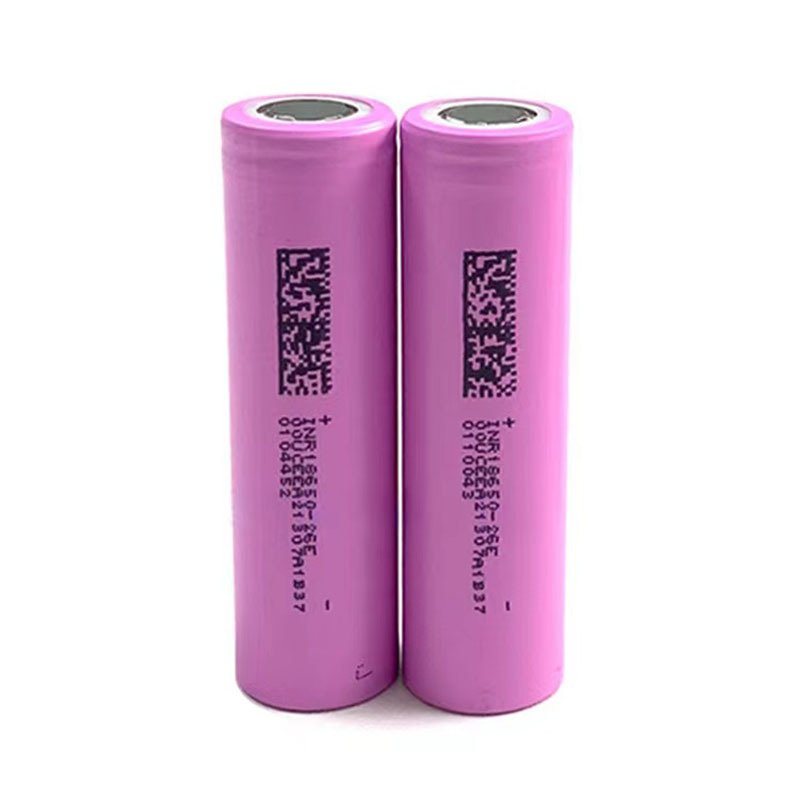
In the evolving landscape of portable power solutions, low self-discharge battery technology has emerged as a decisive factor for engineers and technical procurement specialists. Self-discharge rate directly impacts shelf life, operational readiness, and total cost of ownership for portable devices ranging from medical equipment to IoT sensors. CNS BATTERY delivers cylindrical battery cells engineered with advanced electrolyte formulations and separator technologies to minimize self-discharge while maintaining compliance with EU and US technical standards.
Understanding Self-Discharge: Technical Fundamentals
Self-discharge refers to the gradual loss of stored capacity when a battery remains idle. This phenomenon occurs through internal electrochemical reactions, including electrolyte decomposition, electrode corrosion, and micro-short circuits within the cell structure. For lithium-ion systems, typical self-discharge rates range from 2-5% per month under standard conditions. Premium low self-discharge batteries achieve rates below 1.5% monthly through optimized cathode materials, enhanced SEI (Solid Electrolyte Interphase) stability, and precision manufacturing controls.
Key Performance Parameters and Advantages
1. Extended Shelf Life
CNS BATTERY’s cylindrical cells maintain over 85% capacity after 12 months of storage at 25°C. This performance threshold is critical for applications requiring long-term deployment without frequent maintenance cycles, such as emergency backup systems and remote monitoring devices.
2. Temperature Resilience
Our cells demonstrate stable self-discharge characteristics across -20°C to 60°C operational ranges. This thermal adaptability ensures consistent performance in diverse geographical markets, from Nordic European installations to desert-based US infrastructure projects.
3. Voltage Retention Precision
Low self-discharge architecture preserves open-circuit voltage (OCV) stability within ±50mV over extended storage periods. This parameter is essential for battery management systems (BMS) requiring accurate state-of-charge estimation without frequent recalibration.
Standardized Testing Methodologies
CNS BATTERY employs IEC 61960 and UL 1642 compliant testing protocols to validate self-discharge performance. The methodology includes:
- Initial Capacity Measurement: Cells are fully charged at 0.5C rate, rested for 24 hours, then discharged to cutoff voltage
- Storage Phase: Batteries are stored at controlled temperature (25±2°C) and humidity (50±10% RH) for 28-90 days
- Residual Capacity Assessment: Post-storage discharge capacity is measured and compared against initial values
- Statistical Validation: Minimum 30-cell sample sizes ensure 95% confidence intervals for production batch consistency
These testing frameworks align with European CE marking requirements and US UL certification standards, facilitating seamless market entry for global OEM partners.
CNS BATTERY’s Technical Barriers and Regional Compliance
CNS BATTERY has established significant technical moats through proprietary electrolyte additives and automated dry-room manufacturing processes (dew point <-50°C). These capabilities enable consistent low self-discharge performance while meeting stringent regional regulations:
- EU Compliance: Full adherence to EU Battery Regulation 2023/1542, including carbon footprint documentation and recycled content tracking
- US Market Alignment: UN 38.3 transportation certification and California Title 20 energy efficiency standards
- Global Certification: ISO 9001, ISO 14001, and IATF 16949 quality management systems ensure cross-border supply chain reliability
For technical procurement teams evaluating battery manufacturers in China, CNS BATTERY provides transparent supply chain documentation and third-party audit reports. Our cylindrical battery cell portfolio supports customization for specific voltage, capacity, and discharge rate requirements while maintaining low self-discharge characteristics.
Conclusion: Strategic Partnership for Global Portable Power
Selecting low self-discharge battery solutions requires balancing technical specifications with regional compliance requirements. CNS BATTERY combines advanced cell chemistry expertise with comprehensive regulatory alignment for European and North American markets. Engineering teams seeking reliable portable power foundations should evaluate our technical documentation and request sample testing through our official channels.
Contact CNS BATTERY for detailed specification sheets and regional compliance certificates: https://cnsbattery.com/contact-2/
Explore our cylindrical battery cell technology portfolio: https://cnsbattery.com/products-3/cylindrical-battery-cell/
Learn more about our position among leading battery manufacturers in China: https://cnsbattery.com/battery-manufacturers-in-china/
Technical specifications subject to verification based on specific application requirements. All performance data measured under standard laboratory conditions per IEC testing protocols.