Low Self-Discharge 33140 LFP Cells for Drone – OEM Custom Solutions
The rapid evolution of commercial and industrial drone applications demands battery solutions that balance safety, longevity, and reliability. Among emerging options, Low Self-Discharge 33140 LFP (Lithium Iron Phosphate) cells have gained significant traction for drone manufacturers seeking OEM custom solutions. This article explores the technical advantages, application scenarios, and customization pathways for integrating 33140 LFP cells into next-generation drone systems.
Understanding 33140 LFP Cell Architecture
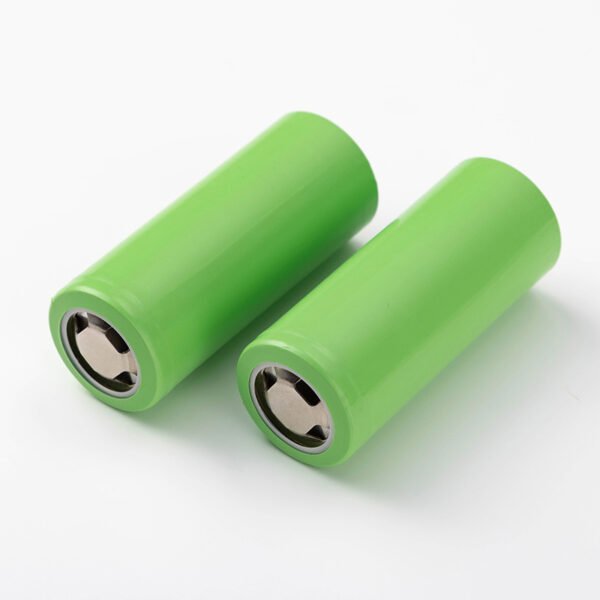
The 33140 designation refers to a cylindrical cell format with 33mm diameter and 140mm length. This form factor offers an optimal balance between energy density and thermal management capability. LFP chemistry utilizes lithium iron phosphate as the cathode material, providing inherent thermal stability compared to NMC or NCA alternatives.
Self-discharge characteristics represent a critical differentiator. Standard lithium-ion cells typically exhibit 2-5% monthly self-discharge rates. Advanced low self-discharge 33140 LFP cells reduce this to under 1% per month through optimized electrolyte formulations and enhanced SEI (Solid Electrolyte Interphase) layer stability. This translates to extended shelf life and reduced maintenance for drone fleets operating on intermittent schedules.
Core Advantages for Drone Applications
1. Enhanced Safety Profile
LFP chemistry demonstrates superior thermal runaway resistance, with decomposition temperatures exceeding 270°C compared to 150-180°C for conventional lithium-ion chemistries. For drone operations in varied environmental conditions, this safety margin proves invaluable, particularly for BVLOS (Beyond Visual Line of Sight) missions where recovery complexity increases.
2. Extended Cycle Life
33140 LFP cells typically deliver 3,000-5,000 full charge cycles at 80% depth of discharge, significantly outperforming standard lithium polymer alternatives. This longevity reduces total cost of ownership for commercial drone operators managing large fleets.
3. Low Self-Discharge Benefits
Reduced self-discharge rates enable drones to maintain readiness without frequent charging cycles. This proves essential for emergency response drones, agricultural monitoring systems, and infrastructure inspection platforms that may remain idle for extended periods between missions.
OEM Customization Pathways
Professional drone manufacturers require flexible battery solutions aligned with specific operational requirements. Customization options include:
- Capacity Configuration: Series-parallel arrangements to achieve target voltage and capacity specifications
- BMS Integration: Custom battery management systems with telemetry, balancing, and protection features
- Thermal Management: Integrated cooling solutions for high-discharge applications
- Connector Standardization: Industry-compatible connector interfaces for seamless integration
For manufacturers exploring partnership opportunities with established battery suppliers, comprehensive resources are available at battery manufacturers in China, providing insights into production capabilities and quality assurance frameworks.
Technical Implementation Considerations
When integrating 33140 LFP cells into drone platforms, engineers must account for several factors:
Voltage Characteristics: LFP cells operate at nominal 3.2V with discharge cutoff around 2.5V. Pack configurations require careful calculation to match motor and ESC specifications.
Discharge Rate Compatibility: While LFP chemistry supports moderate C-rates, high-performance racing or payload-intensive applications may require hybrid configurations or specialized high-power variants.
Weight Optimization: The 33140 format offers favorable energy-to-weight ratios for medium to large drone platforms, though ultralight applications may benefit from alternative form factors.
Detailed product specifications and technical documentation for cylindrical battery solutions can be accessed through cylindrical battery cell products, enabling informed component selection during design phases.
Quality Assurance and Supply Chain Reliability
OEM partnerships demand consistent quality across production batches. Reputable suppliers implement ISO-certified manufacturing processes, comprehensive cell testing protocols, and traceability systems throughout the supply chain. Key verification points include:
- Capacity consistency within ±2% tolerance
- Internal resistance matching across cell batches
- Comprehensive aging and cycle testing data
- Certifications including UN38.3, IEC62133, and UL standards
Future Outlook and Industry Trends
The drone battery market continues evolving toward standardized, swappable battery systems with integrated smart features. Low self-discharge 33140 LFP cells position well for this transition, offering the reliability and safety characteristics demanded by regulatory frameworks and commercial operators alike.
Emerging applications in delivery drones, aerial surveying, and autonomous inspection systems will further drive demand for customized battery solutions balancing performance, safety, and operational flexibility.
Conclusion
Low self-discharge 33140 LFP cells represent a compelling solution for drone manufacturers prioritizing safety, longevity, and operational readiness. Through strategic OEM partnerships, companies can access customized battery configurations aligned with specific application requirements while maintaining supply chain reliability and quality consistency.
For technical consultations and partnership inquiries regarding custom battery solutions, please visit our contact page to connect with our engineering team.
This article provides technical insights for engineering and procurement professionals evaluating battery solutions for commercial drone applications. Specifications and capabilities may vary based on specific manufacturer implementations and customization requirements.