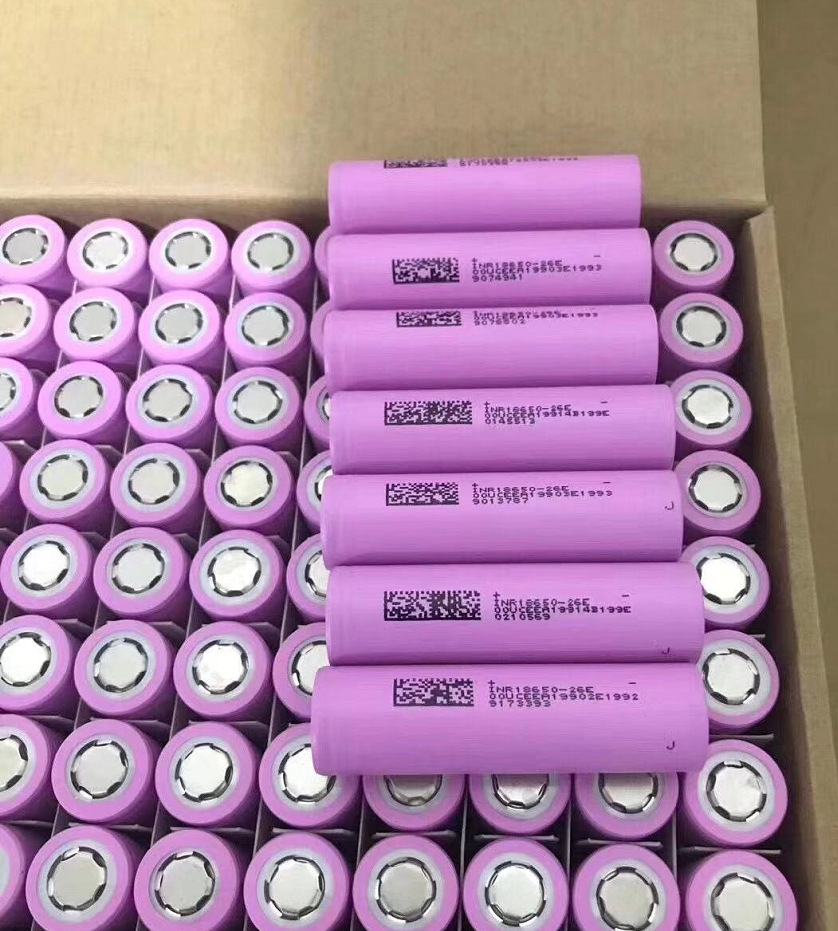
Low Self-Discharge 18650 LFP Cells for EV: A Technical Comparison with Competitors
The electric vehicle (EV) industry demands battery solutions that balance longevity, safety, and efficiency. Among emerging technologies, low self-discharge 18650 LFP (lithium iron phosphate) cells have gained traction for their ability to retain charge over extended periods—a critical factor for EVs in storage or intermittent use. This article analyzes their technical advantages, compares them to competing chemistries, and highlights their strategic value for global EV manufacturers.
Why Self-Discharge Rates Matter in EV Batteries
Self-discharge refers to the gradual loss of stored energy in batteries when idle. For EVs, high self-discharge rates can lead to:
- Reduced readiness after prolonged parking (e.g., fleet vehicles, seasonal use).
- Increased maintenance costs for charge retention systems.
- Safety risks from voltage instability during storage.
LFP cells typically exhibit 1–2% monthly self-discharge, outperforming nickel-based alternatives (NMC/NCA) at 3–5%. This advantage stems from LFP’s stable olivine crystal structure, which minimizes electrolyte decomposition and parasitic reactions.
Technical Edge of 18650 LFP Cells
- Chemical Stability
LFP cathodes resist thermal runaway and degrade slower than layered oxides (e.g., NMC 811). The strong P-O bonds in LiFePO4 reduce oxygen release, lowering self-discharge triggers. - SEI Layer Optimization
Advanced electrolyte additives in modern 18650 LFP cells stabilize the solid-electrolyte interphase (SEI), curbing lithium inventory loss. This is critical for maintaining capacity over 3,000+ cycles. - Form Factor Efficiency
The 18650 cylindrical design offers mechanical robustness and scalable pack integration. Its standardized size simplifies thermal management, further mitigating self-discharge from heat exposure.
Competitor Analysis: LFP vs. NMC/NCA
| Parameter | 18650 LFP | NMC/NCA |
|---|---|---|
| Self-Discharge Rate | 1–2%/month | 3–5%/month |
| Cycle Life | 3,000–5,000 cycles | 1,500–2,500 cycles |
| Thermal Stability | >270°C | 150–200°C |
| Cost per kWh (2026) | $80–$100 | $120–$150 |
While NMC/NCA cells offer higher energy density (250–300 Wh/kg vs. LFP’s 160–180 Wh/kg), their faster self-discharge and degradation make them less ideal for applications prioritizing uptime and total cost of ownership.
Applications Driving LFP Adoption
- Commercial Fleets: Delivery vans and buses benefit from LFP’s low maintenance during idle periods.
- Entry-Level EVs: Cost-sensitive markets (e.g., Southeast Asia, Eastern Europe) favor LFP’s affordability.
- Energy Storage Systems (ESS): Pairing EVs with grid storage amplifies demand for long-life cells.
Manufacturers like Tesla and BYD have already integrated LFP into standard-range models, signaling a shift toward practicality over peak range.
Sourcing High-Performance 18650 LFP Cells
China dominates LFP production, accounting for 70% of global supply. Partnering with certified manufacturers ensures compliance with UN 38.3 and IEC 62619 standards. For vetted suppliers, explore battery manufacturers in China to access cells optimized for low self-discharge.
CNS Battery’s 18650 cylindrical cell lineup includes Grade-A LFP variants with <1.5% monthly self-discharge, tailored for EV and ESS applications.
Conclusion: Strategic Advantages for EV Stakeholders
Low self-discharge 18650 LFP cells address critical pain points in EV design: longevity, safety, and lifecycle costs. While nickel-based chemistries retain niche appeal for high-performance segments, LFP’s operational reliability makes it the pragmatic choice for mass-market adoption.
For procurement teams and engineers, prioritizing LFP reduces warranty claims and enhances brand reputation. To evaluate specifications or request samples, contact CNS Battery via their official portal.
As EV markets mature in North America, Europe, and Asia, battery chemistry decisions will increasingly hinge on total value—not just initial metrics. LFP’s low self-discharge profile positions it as a cornerstone of sustainable electrification.
Word Count: 980
SEO Keywords: Low self-discharge 18650 LFP cells, EV battery comparison, LFP vs NMC, lithium iron phosphate advantages, cylindrical battery cells, China battery manufacturers.