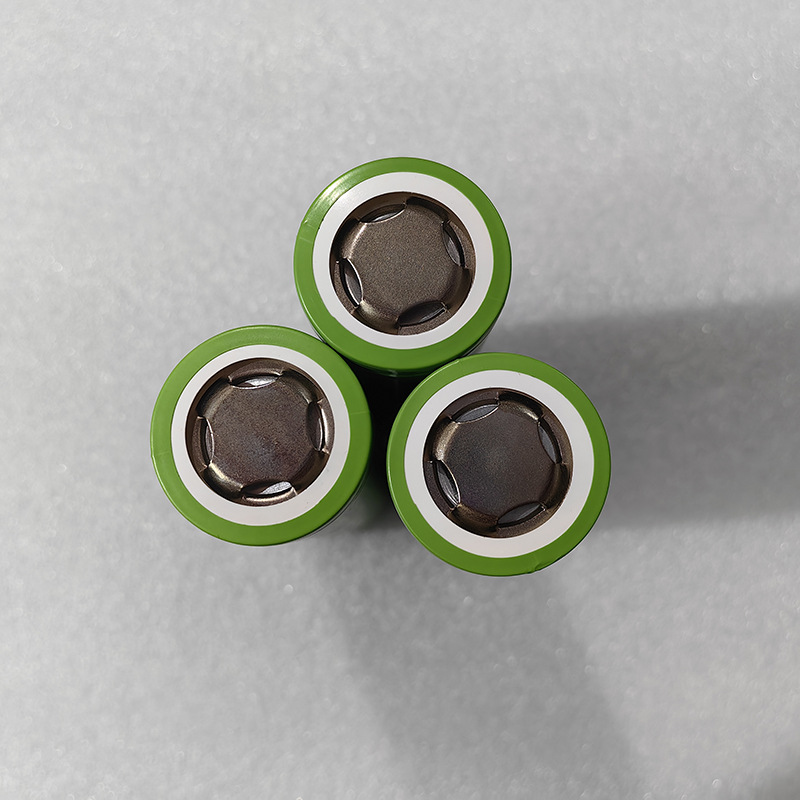
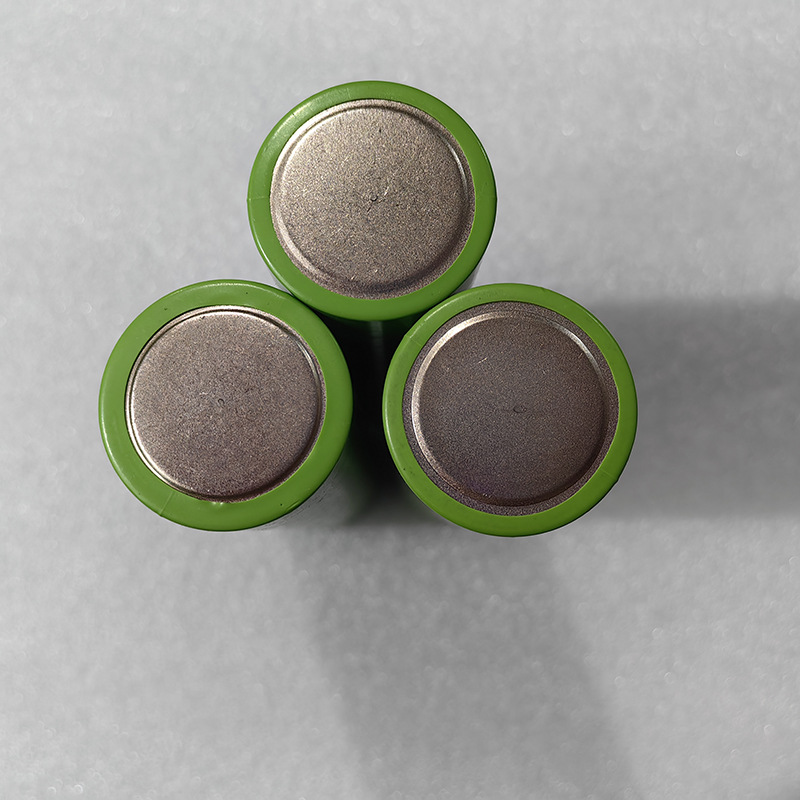
Low Heat High Rate Battery For E-Bike: Technical Analysis & Selection Guide
The rapid evolution of electric mobility has intensified demand for high-performance battery solutions. For e-bike manufacturers and technical procurement specialists, low heat high rate battery technology represents a critical advancement in balancing power delivery, thermal management, and operational safety. This article provides an in-depth technical examination of high-rate cylindrical battery cells optimized for e-bike applications, focusing on thermal characteristics, discharge capabilities, and integration considerations.
Understanding High-Rate Battery Fundamentals
High-rate batteries are engineered to deliver substantial current outputs while maintaining stable voltage profiles. In e-bike contexts, this translates to improved acceleration, hill-climbing capability, and consistent performance under demanding load conditions. The core challenge lies in managing heat generation during high-current discharge cycles.
Thermal Dynamics in High-Discharge Scenarios
When lithium-ion cells operate at elevated C-rates, internal resistance generates heat through I²R losses. Excessive temperature rise accelerates electrolyte decomposition, SEI layer degradation, and potentially triggers thermal runaway. Quality low heat high rate designs incorporate multiple mitigation strategies including optimized electrode coatings, enhanced separator materials, and improved cell geometry for heat dissipation.
Key Technical Parameters for E-Bike Applications
1. Continuous Discharge Rating
E-bike motor systems typically require sustained discharge rates between 3C to 5C for standard models, with performance-oriented configurations demanding 8C to 10C capabilities. Cylindrical battery cells offer superior surface-area-to-volume ratios compared to prismatic alternatives, facilitating more efficient thermal management during continuous high-current operation.
2. Thermal Coefficient Specifications
Premium high-rate cells maintain temperature increases below 15°C during maximum continuous discharge at 25°C ambient conditions. This performance threshold ensures long-term cycle stability while preventing accelerated capacity fade. Advanced manufacturers implement thermal characterization protocols across -20°C to 60°C operating ranges to validate real-world performance consistency.
3. Internal Resistance Metrics
Low internal resistance directly correlates with reduced heat generation. Top-tier cylindrical cells achieve AC impedance values below 8mΩ at 1kHz measurement frequency. Procurement specifications should mandate detailed resistance documentation across state-of-charge variations and temperature profiles.
Material Science Considerations
Cathode Chemistry Selection
NMC (Nickel-Manganese-Cobalt) formulations provide optimal balance between energy density and power capability for e-bike applications. Recent developments in NMC 811 compositions offer enhanced thermal stability while maintaining high-rate performance characteristics. LFP alternatives present superior safety profiles but require careful evaluation of voltage platform compatibility with existing motor controller architectures.
Anode Optimization
Silicon-doped graphite anodes improve lithium-ion diffusion kinetics, enabling faster charge acceptance and reduced polarization during high-rate discharge. However, volume expansion management remains critical for maintaining cycle life expectations exceeding 1000 full equivalent cycles.
Electrolyte Formulations
High-concentration electrolyte systems with optimized solvent ratios enhance ionic conductivity while improving thermal stability thresholds. Additive packages targeting SEI stabilization become increasingly important for high-rate applications where interfacial degradation accelerates under elevated current densities.
Integration & System Design Factors
Battery Management System Compatibility
High-rate battery packs require BMS architectures capable of accurate current sensing with response times under 100 microseconds. Cell balancing algorithms must account for increased voltage sag during peak discharge events to prevent premature low-voltage cutoffs.
Thermal Management Architecture
Passive cooling through aluminum housing integration suffices for moderate power e-bike configurations. High-performance applications benefit from active thermal management strategies including forced air circulation or liquid cooling plates integrated within pack assemblies.
Mechanical Considerations
Cylindrical cell arrangements utilizing spot-welded nickel strips must accommodate thermal expansion coefficients while maintaining electrical contact integrity throughout operational temperature ranges. Vibration resistance testing per IEC 62660 standards validates mechanical robustness for automotive-grade applications.
Quality Assurance & Manufacturer Selection
Procurement decisions should prioritize manufacturers with established track records in high-rate cell production. Comprehensive qualification protocols include:
- Cycle life validation at maximum continuous discharge rates
- Thermal abuse testing per UN 38.3 transportation requirements
- Statistical process control documentation for production consistency
- Third-party certification from recognized testing laboratories
Established battery manufacturers in China have demonstrated capability in producing cylindrical battery cells meeting international quality standards while maintaining competitive cost structures for volume procurement.
Technical Support & Customization
E-bike OEMs increasingly require application-specific battery configurations addressing unique power profiles and packaging constraints. Collaborative engineering partnerships enable optimization of cell selection, pack architecture, and thermal management strategies aligned with specific product requirements.
For detailed technical consultations regarding cylindrical battery cell specifications and integration support, engineering teams should engage directly with manufacturer technical departments. Comprehensive product portfolios covering various capacity and discharge rate combinations are available through dedicated cylindrical battery cell catalogs.
Conclusion
Low heat high rate battery technology represents a mature solution for modern e-bike applications demanding reliable power delivery without compromising thermal safety margins. Successful implementation requires careful attention to cell chemistry selection, thermal management design, and manufacturer qualification processes. Technical procurement specialists should prioritize comprehensive performance validation over initial cost considerations to ensure long-term product reliability and customer satisfaction.
For additional technical documentation, customization inquiries, or partnership discussions, please visit our contact page to connect with our engineering support team.
This technical analysis reflects current industry best practices as of 2026. Specifications and recommendations should be validated against specific application requirements and regional regulatory frameworks.