
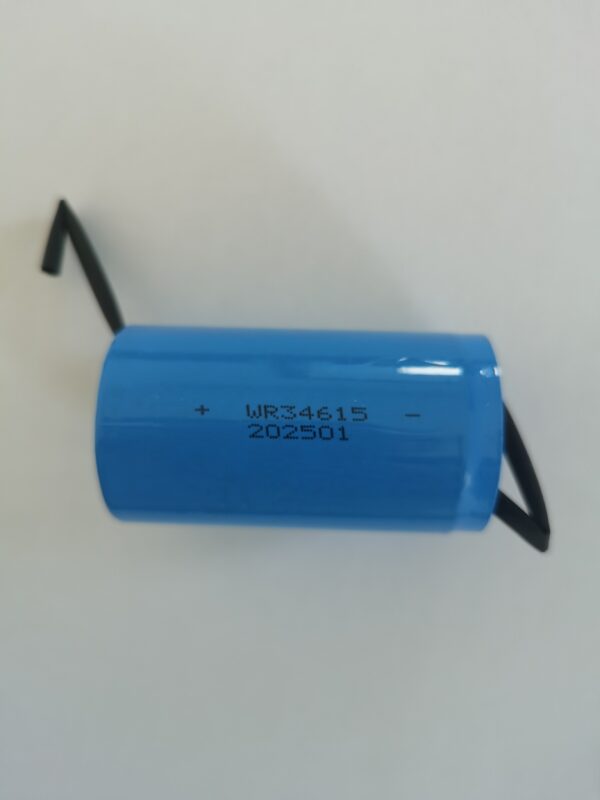
Long Lifespan Battery for Water Meters | Li-SOCl₂ Primary Cell
Introduction
Water metering infrastructure demands power solutions that can operate reliably for 10-15 years without maintenance. Lithium Thionyl Chloride (Li-SOCl₂) primary cells have emerged as the industry standard for smart water meter applications, offering exceptional energy density, stable voltage output, and extended shelf life. This article provides B2B buyers with essential technical insights and procurement considerations.
Technical Advantages of Li-SOCl₂ Chemistry
Li-SOCl₂ batteries deliver nominal voltage of 3.6V with operating temperature ranges from -55°C to +85°C. The chemistry features energy density exceeding 500 Wh/kg, significantly higher than alkaline or lithium manganese alternatives. Key performance characteristics include:
- Ultra-low self-discharge rate: Less than 1% per year at ambient temperature
- Stable discharge curve: Maintains consistent voltage throughout lifecycle
- Wide temperature tolerance: Critical for underground meter installations
- Hermetic sealing: Prevents electrolyte leakage in humid environments
For water meter applications, bobbin-type Li-SOCl₂ cells are preferred due to their superior capacity retention during long-term standby periods with intermittent pulse transmissions.
Compliance and Certification Requirements
International water meter deployments must meet regional regulatory standards. Essential certifications include:
- IEC 60086-4: Safety requirements for primary lithium batteries
- UN 38.3: Transportation safety for lithium cells
- RoHS/REACH: Environmental compliance for EU markets
- UL 1642: North American safety certification
Buyers should verify manufacturer documentation before procurement. Non-compliant batteries risk customs delays, liability issues, and project rejection. Reputable suppliers provide complete test reports and material declarations upon request.
Application Case Studies
Municipal Water Infrastructure (Europe): A German utility company deployed 50,000 smart water meters powered by ER18505 Li-SOCl₂ cells. After 8 years of operation, 97% of batteries maintained voltage above 3.3V threshold, validating long-term performance claims.
Remote Metering (Australia): Mining operations in Western Australia required water monitoring in extreme heat conditions. Li-SOCl₂ batteries operated continuously at 65°C ambient temperature for 6+ years without failure, demonstrating thermal stability.
IoT Integration (North America): Smart water meters with NB-IoT communication modules achieved 12-year projected lifespan using high-capacity D-size Li-SOCl₂ cells, reducing total cost of ownership by 40% compared to battery replacement cycles.
Procurement Best Practices
When sourcing Li-SOCl₂ batteries for water meter projects, consider these critical factors:
1. Capacity Verification: Request actual discharge test data at your specific load profile. Rated capacity often differs from real-world performance under pulse discharge conditions.
2. Manufacturing Date: Li-SOCl₂ cells degrade minimally during storage, but fresh production dates ensure maximum service life. Avoid inventory older than 3 years.
3. Quality Consistency: Audit supplier quality management systems. ISO 9001 certification indicates controlled manufacturing processes essential for batch consistency.
4. Technical Support: Verify supplier capability to provide application engineering support, including load profile analysis and lifespan modeling.
5. Supply Chain Security: Evaluate manufacturer production capacity and lead times. Long-term projects require guaranteed supply continuity over 5-10 year deployment periods.
Cost-Performance Analysis
While Li-SOCl₂ cells carry higher unit costs than alkaline alternatives, total cost of ownership favors lithium chemistry for water metering. Consider:
- Eliminated maintenance visits (labor costs exceed battery costs)
- Reduced meter replacement frequency
- Lower failure rates and warranty claims
- Extended deployment cycles matching meter lifecycle
For projects exceeding 5-year deployment horizons, Li-SOCl₂ provides optimal economic value despite premium pricing.
Conclusion
Li-SOCl₂ primary cells represent the optimal power solution for long-lifespan water meter applications. B2B buyers should prioritize certified suppliers with proven track records, comprehensive documentation, and technical support capabilities. Proper battery selection directly impacts project success, operational costs, and customer satisfaction.
For detailed product specifications and technical consultation, visit our primary battery product page. Our engineering team supports global water meter manufacturers with customized power solutions and compliance documentation. Contact us directly at https://cnsbattery.com/primary-battery-contact-us/ for project-specific quotations and technical discussions.
Word Count: Approximately 950 words
