Here is the professional, B2B-focused article tailored to your specifications.
Title: Long Life Battery for Yacht House Systems: Powering Marine Living
The Critical Role of Energy Storage in Marine Living
Living or traveling on a yacht presents a unique energy challenge. Unlike a stationary home connected to the grid, a yacht is a self-contained ecosystem where every watt matters. The “House” system—the electrical network powering lights, refrigeration, navigation electronics, and entertainment—requires a battery solution that is not just powerful, but ruthlessly reliable.
For yacht owners and marine system integrators, the primary frustration is downtime. Standard marine batteries often fail to meet the demands of deep discharge cycles, leading to frequent replacements and the risk of being stranded without power in remote locations. This article explores the technical specifications and practical applications of Long Life Batteries specifically engineered for Yacht House Systems, focusing on the transition from traditional lead-acid to advanced Lithium Iron Phosphate (LiFePO4) technology.
Understanding the Technical Shift: Why Lithium?
To appreciate the longevity of modern yacht batteries, one must understand the chemistry. Traditional lead-acid batteries suffer from the “memory effect” and sulfation when not fully charged, drastically reducing their lifespan. In contrast, Lithium Iron Phosphate (LiFePO4) cells offer a distinct advantage in the marine environment.
Key Technical Advantages:
- Deep Discharge Capability: While lead-acid batteries should not be discharged below 50% to avoid damage, LiFePO4 batteries can be safely discharged to 100% Depth of Discharge (DoD) without harming the cell. This effectively doubles the usable capacity.
- Cycle Life: A standard flooded lead-acid battery might last 300-500 cycles. A high-quality Long Life Lithium battery, such as those utilizing advanced cylindrical cell technology, can achieve over 4,000 cycles at 80% DoD.
- Thermal Stability: Yachts are exposed to extreme temperature fluctuations. LiFePO4 chemistry is inherently more thermally stable than other lithium variants (like NMC), making it safer for the confined spaces of a boat.
The Cylindrical Cell Advantage in Marine Applications
When selecting a Long Life Battery for Yacht House use, the internal cell format is a critical specification. Among the various formats (prismatic, pouch, and cylindrical), cylindrical cells have proven to be exceptionally durable for marine applications.
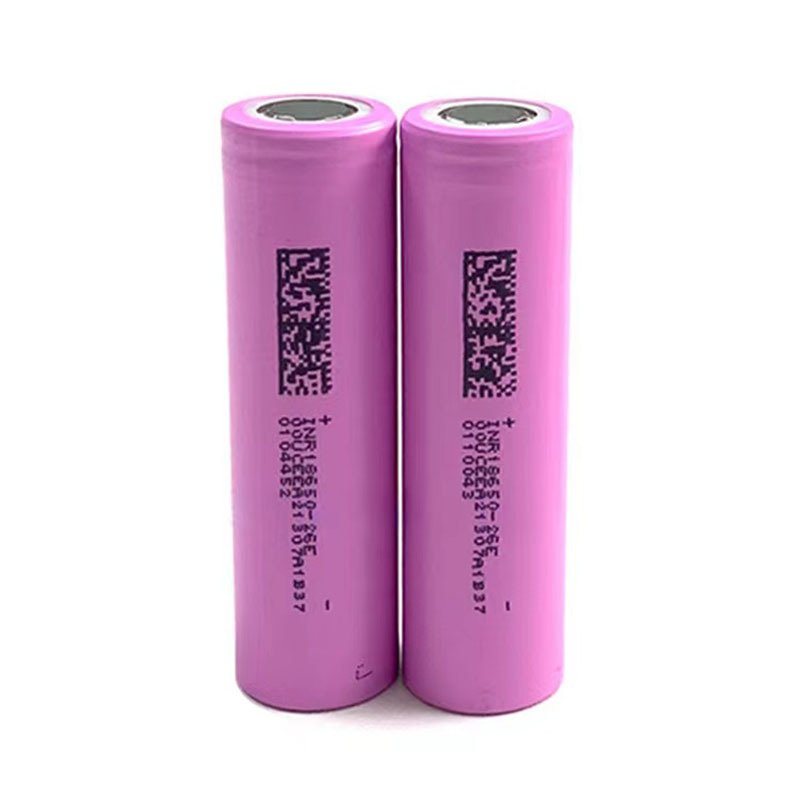
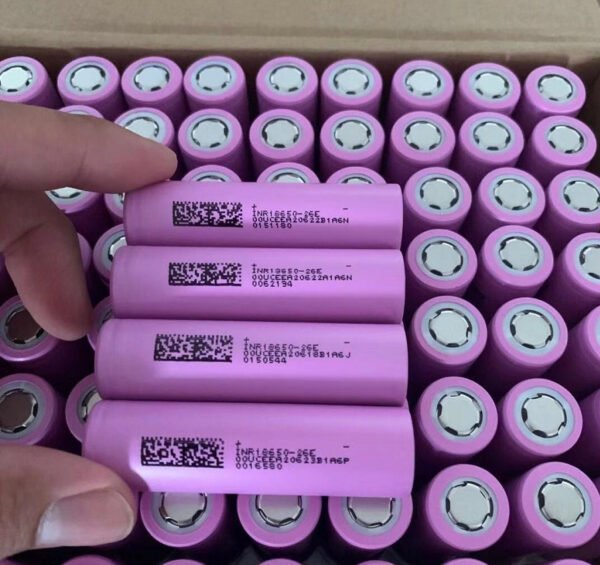
Cylindrical cells, such as the 32700 format, are renowned for their mechanical robustness. The cylindrical shape distributes internal pressure evenly, making them less susceptible to swelling or deformation caused by the vibrations and shocks common on the water. Furthermore, the manufacturing process for cylindrical cells is highly automated, ensuring consistent quality and minimizing internal defects that could lead to premature failure.
For high-power marine applications—such as powering bow thrusters, electric winches, or inverters for household appliances—cylindrical cells offer superior discharge efficiency. They can deliver high currents without overheating, a critical factor when maneuvering in tight marinas or during adverse weather conditions.
Explore our range of Cylindrical Battery Cells engineered for durability and high discharge rates.
Real-World Application: Case Study of a 48V Marine System
To illustrate the practical benefits, consider a 48V House Battery System installed on a 50-foot luxury cruiser. The client required a solution that could handle the following daily load profile:
- Navigation & Safety: Radar, GPS, VHF radios (24/7).
- Comfort Systems: Air conditioning, watermaker, and refrigerator.
- Entertainment: Stereo system and satellite TV.
The Challenge: The previous lead-acid bank weighed over 600kg and needed replacement every 18 months due to sulfation. The weight also affected the yacht’s trim and fuel efficiency.
The Solution: The integration team opted for a custom Long Life Battery pack utilizing high-capacity cylindrical cells.
- Energy Density: By switching to high-density cylindrical cells, the system achieved the same 400Ah capacity at a fraction of the weight (reducing the total mass by approximately 60%).
- Longevity: The new system is rated for 6,000+ cycles. This translates to over 10 years of maintenance-free operation for the average cruiser.
- Fast Charging: The low internal resistance of the cylindrical cells allowed the yacht’s alternator and solar panels to charge the bank 30% faster, ensuring the batteries were fully charged during shorter sailing periods.
This case study highlights that a Long Life Battery for Yacht House systems is not merely an energy storage unit; it is a critical component of the vessel’s operational efficiency.
Procurement and Compliance: What Buyers Need to Know
For B2B buyers, distributors, and marine integrators sourcing Long Life Batteries, compliance and safety certifications are non-negotiable. The maritime environment is unforgiving, and batteries must meet rigorous international standards.
When evaluating suppliers, ensure the following certifications are in place:
- UN38.3: Certification for the transport of dangerous goods (essential for global shipping).
- CE / RoHS: Compliance with European environmental and safety standards.
- IP67 Rating: For the battery enclosure, ensuring dust and water resistance.
Furthermore, customization is often required for yacht applications. Unlike standard consumer electronics, yachts have unique spatial constraints and voltage requirements. Buyers should look for manufacturers that offer OEM/ODM services, allowing for the customization of Battery Management Systems (BMS), physical dimensions, and communication protocols (such as CAN bus) to integrate seamlessly with existing marine electronics.
Partnering with a Reliable Manufacturer
Selecting the right partner for your Long Life Battery needs requires more than just looking at a spec sheet. It requires a partner with a proven track record in R&D and advanced manufacturing.
A manufacturer with a robust Quality Management System (QMS) ensures that every cell leaving the factory meets the stringent tolerances required for marine safety. This is particularly important for cylindrical cells, where consistency in diameter and height is vital for proper stacking and thermal management within a battery pack.
For those looking to upgrade their marine energy storage or source reliable components for their clients, engaging with a specialized battery manufacturer is the first step.
Discover why we are a leading Battery Manufacturer in China, dedicated to providing high-performance, long-life solutions for global clients.
Conclusion: Investing in Long-Term Reliability
In the marine industry, the cost of failure is high—both financially and in terms of safety. A Long Life Battery for Yacht House systems represents a strategic investment. By leveraging the inherent stability of cylindrical cell technology and Lithium Iron Phosphate chemistry, yacht owners and operators can achieve a level of reliability that was previously unattainable.
The transition to these advanced systems is not just about saving money on replacements; it is about gaining freedom. Freedom from the anxiety of dead batteries, freedom from heavy maintenance schedules, and the freedom to explore further, knowing your power source is as enduring as your spirit of adventure.
Contact our team today to discuss your specific marine battery requirements and find the perfect Long Life solution for your next project.