
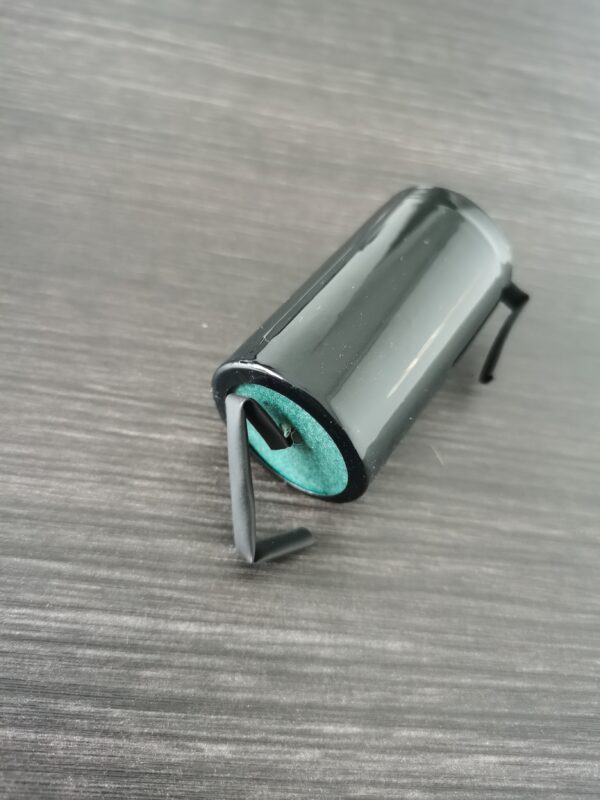
Here is the SEO-optimized article tailored for the overseas B2B market, specifically targeting the Lithium Thionyl Chloride Battery sector.
The Ultimate Guide to Lithium Thionyl Chloride Batteries for PLC Backup Power
In the realm of industrial automation, the reliability of Programmable Logic Controllers (PLCs) is non-negotiable. However, the critical data and clock functions of these systems depend entirely on a stable, long-lasting backup power source. For Original Equipment Manufacturers (OEMs) and industrial engineers seeking a solution that guarantees data integrity for a decade or more without maintenance, the Lithium Thionyl Chloride Battery stands as the undisputed champion.
Unlike consumer-grade lithium-ion batteries that require frequent recharging, Lithium Thionyl Chloride (Li-SOCl₂) cells are primary (non-rechargeable) batteries designed for extreme longevity and stability. This article delves into the technical specifications, the unique “voltage delay” phenomenon, and why this chemistry is the perfect fit for PLC backup power applications.
Understanding the Chemistry: Why Lithium Thionyl Chloride?
Lithium Thionyl Chloride batteries are a type of primary lithium battery. The term “primary” indicates that they are non-rechargeable, utilizing lithium metal as the anode and thionyl chloride as the liquid cathode.
Key Technical Advantages:
- Highest Energy Density: Among all commercially available battery chemistries, Li-SOCl₂ offers the highest specific energy. This allows for compact sizes to power devices for 10-15 years.
- Wide Temperature Range: These batteries operate effectively in extreme environments, typically from -55°C to +85°C (some variants up to +125°C), making them ideal for harsh industrial settings where PLCs are often deployed.
- Low Self-Discharge: They exhibit an annual self-discharge rate of less than 1%, ensuring that the battery retains its charge even when the PLC is in storage or standby mode for extended periods.
The Voltage Delay Phenomenon: A Critical Design Consideration
One of the most distinctive characteristics of a Lithium Thionyl Chloride cell is the “voltage delay” or “voltage lag.” When a load is first applied to a fresh Li-SOCl₂ cell, the voltage initially drops below the nominal level (typically 3.6V) before rising back up. This occurs because the chemical reaction requires time to initiate fully on the carbon cathode surface.
Impact on PLC Design:
For PLC backup power, this phenomenon necessitates careful circuit design. If the backup circuit draws current immediately upon power loss, the voltage delay could cause a brownout or data corruption. Therefore, most PLC backup systems utilizing these cells incorporate a small “keeper” capacitor. This capacitor provides the initial burst of energy during the brief voltage delay period, ensuring a seamless transition and stable power supply to the memory circuits.
Technical Specifications for Industrial Backup
When selecting a Lithium Thionyl Chloride Battery for industrial backup, engineers must evaluate specific technical parameters to ensure compatibility with their PLC hardware.
1. Nominal Voltage and Capacity
Standard Li-SOCl₂ cells have a nominal voltage of 3.6V. The capacity varies significantly based on the discharge rate. For low-current applications like memory backup (typically 1mA to 10mA), these batteries can deliver capacities ranging from 1,000 mAh to over 19,000 mAh, depending on the physical size (e.g., AA, C, or D cells).
2. Pulse Capability
PLC backup often requires handling small voltage pulses rather than a continuous draw. While standard Li-SOCl₂ cells have limitations in high-rate pulse applications, “Hybrid” or “Bobbin-type” constructions are specifically designed to handle the pulse loads required for periodic data logging or wireless transmission in smart meters, which often share similar backup requirements with advanced PLCs.
3. Passivation and Storage
A unique feature of this chemistry is “passivation.” A thin film forms on the lithium anode when the battery is not in use. While this protects the cell and reduces self-discharge, it can increase the voltage delay if the battery has been stored for a long time. For long-term storage of PLCs, it is recommended to perform a “priming” cycle or ensure the backup circuit can handle the initial higher internal resistance.
Applications Beyond PLCs: Where Longevity is King
While PLC backup power is a primary application, the utility of Lithium Thionyl Chloride extends to any device requiring maintenance-free operation for 10+ years.
- Smart Metering: Gas and water meters often use these batteries because they can operate in underground or unheated environments and last the entire lifespan of the meter.
- Medical Devices: Certain implantable medical devices and emergency backup systems rely on this chemistry for its absolute reliability.
- Automotive Telematics: Used in GPS trackers and asset monitoring systems where battery replacement is impractical.
Why Choose CNS BATTERY for Your Industrial Power Needs?
In the competitive global market, sourcing reliable Lithium Thionyl Chloride cells requires a partner with proven manufacturing expertise and strict quality control. CNS BATTERY stands out as a leading manufacturer of primary lithium batteries, catering specifically to the demands of industrial OEMs.
Our Competitive Edge:
- Advanced Manufacturing: Based in Zhengzhou, China, CNS BATTERY operates under ISO 9001 standards, ensuring every cell meets the rigorous safety and performance metrics required for critical backup applications.
- Customization Expertise: We understand that every PLC design is different. We offer customized solutions, including specific voltage configurations, custom connectors, and specialized packaging to fit unique industrial enclosures.
- Global Supply Chain: We provide comprehensive support for B2B clients worldwide, ensuring timely delivery and technical documentation to facilitate integration into your production line.
For engineers and procurement managers seeking a reliable source of Lithium Thionyl Chloride Batteries for PLC backup power, partnering with a specialist like CNS BATTERY ensures your products meet the highest standards of durability and performance.
Contact our sales team today to discuss your specific requirements or to request a sample for testing.
- Product Link: Explore our Lithium Thionyl Chloride Battery Range
- Contact Us: Get in Touch with Our Experts
