
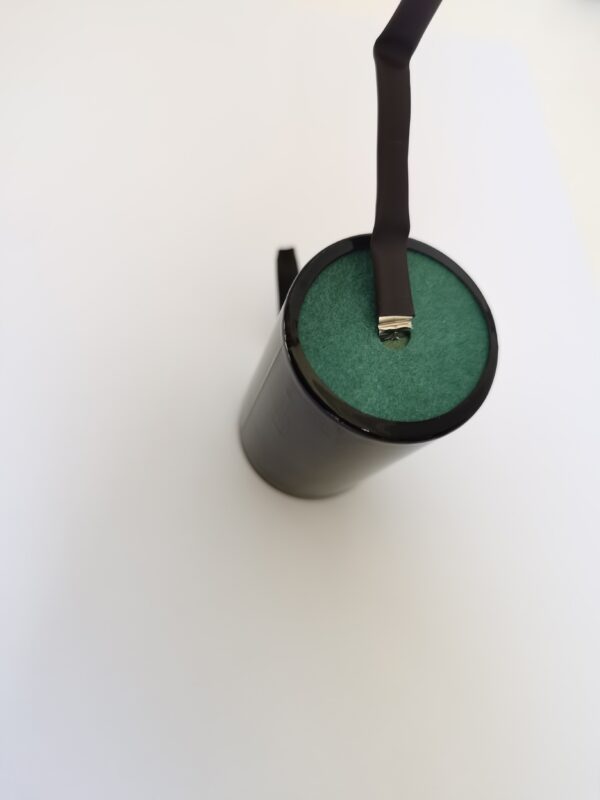
Lithium Thionyl Chloride Battery for Waste Bin Fill Level Sensors
The rapid expansion of smart city infrastructure has elevated waste management efficiency to a critical priority. At the heart of intelligent waste bin systems lies the fill level sensor—a device requiring reliable, long-lasting power sources capable of operating autonomously for extended periods. Lithium thionyl chloride (Li-SOCl₂) primary batteries have emerged as the optimal power solution for these IoT applications, delivering unmatched energy density, extended service life, and robust performance across diverse environmental conditions.
Why Li-SOCl₂ Batteries Power Smart Waste Management
Waste bin fill level sensors operate in challenging environments where battery replacement is logistically complex and costly. These sensors must function reliably for 5-10 years without maintenance while transmitting data via LoRaWAN, NB-IoT, or similar low-power wide-area network protocols. Li-SOCl₂ batteries address these demands through several distinctive advantages.
Exceptional Energy Density: With specific energy reaching up to 590 Wh/kg and volumetric energy density of 1100 Wh/L, Li-SOCl₂ chemistry provides the highest energy density among commercial primary batteries. This characteristic enables compact sensor designs with minimal battery footprint while maximizing operational lifespan.
Ultra-Low Self-Discharge: Annual self-discharge rates below 1% ensure that batteries retain over 90% of their capacity after a decade of storage or intermittent use. For waste management deployments where sensors may experience irregular transmission cycles, this stability guarantees predictable performance throughout the product lifecycle.
Wide Temperature Tolerance: Operating ranges spanning -55°C to +85°C allow reliable functionality in extreme climates—from freezing winter conditions to scorching summer heat. This thermal resilience is essential for outdoor waste bins exposed to uncontrolled environmental variations.
Technical Considerations for IoT Sensor Integration
Successful implementation of Li-SOCl₂ batteries in waste bin sensors requires careful attention to several engineering factors.
Pulse Current Capability: Modern IoT sensors transmit data in short, high-current bursts during communication windows. While Li-SOCl₂ cells excel at low continuous drain, pulse applications benefit from hybrid designs incorporating capacitors or specialized bobbin-type constructions that handle peak currents without significant voltage depression.
Voltage Stability: The nominal 3.6V operating voltage remains stable throughout most of the discharge curve, providing consistent power to sensitive electronics. This flat discharge profile simplifies power management circuit design and ensures reliable sensor operation until end-of-life.
Safety and Compliance: Reputable manufacturers produce Li-SOCl₂ batteries meeting UN38.3, IEC 60086-4, and other international safety standards. For B2B procurement, verifying certification documentation and quality management systems (ISO 9001) is essential for risk mitigation.
Cost-Benefit Analysis for Municipal Deployments
Total cost of ownership (TCO) extends far beyond initial battery purchase price. When evaluating power solutions for waste bin sensors, consider:
- Replacement Labor Costs: Each battery change requires technician dispatch, vehicle fuel, and administrative overhead
- Service Interruption: Downtime during battery replacement creates data gaps in waste collection optimization
- Scalability: Large-scale deployments (thousands of bins) amplify per-unit savings significantly
Li-SOCl₂ batteries typically deliver 3-5× longer service life compared to alkaline or standard lithium alternatives, reducing lifetime costs by 40-60% despite higher upfront investment.
Selecting the Right Battery Partner
For waste management solution providers and municipal contractors, battery supplier selection impacts project success. Key evaluation criteria include:
- Technical Support: Availability of application engineering assistance for custom integration
- Supply Chain Reliability: Consistent production capacity and inventory availability
- Quality Assurance: Batch testing, traceability, and warranty terms
- Customization Options: Capacity, form factor, and terminal configuration flexibility
Professional battery manufacturers offer comprehensive primary battery portfolios designed specifically for IoT and smart city applications. Exploring available product specifications and technical documentation helps match battery characteristics to sensor power requirements accurately.
For detailed product information and technical consultation, visit Primary Battery Solutions to review available Li-SOCl₂ options optimized for waste bin sensor applications.
Future Outlook
The smart waste management market continues expanding, with projections indicating sustained growth through 2030. As sensor technology advances toward lower power consumption and enhanced connectivity, Li-SOCl₂ batteries remain positioned as the preferred power source. Emerging developments include enhanced pulse capability designs, improved safety features, and environmentally conscious manufacturing processes.
Municipalities and waste management companies investing in IoT-enabled infrastructure today benefit from proven battery technology that delivers decade-long reliability. The combination of technical performance, economic efficiency, and operational simplicity makes lithium thionyl chloride the definitive choice for waste bin fill level sensor applications.
Contact Information
For customized battery solutions, technical specifications, or bulk procurement inquiries, professional consultation ensures optimal selection for your specific application requirements. Reach out through Contact Us to connect with battery specialists who understand IoT power demands and can provide tailored recommendations for waste management sensor deployments.
This article provides technical guidance for B2B decision-makers evaluating power solutions for smart waste management infrastructure. All specifications should be verified against current manufacturer documentation before final selection.
