
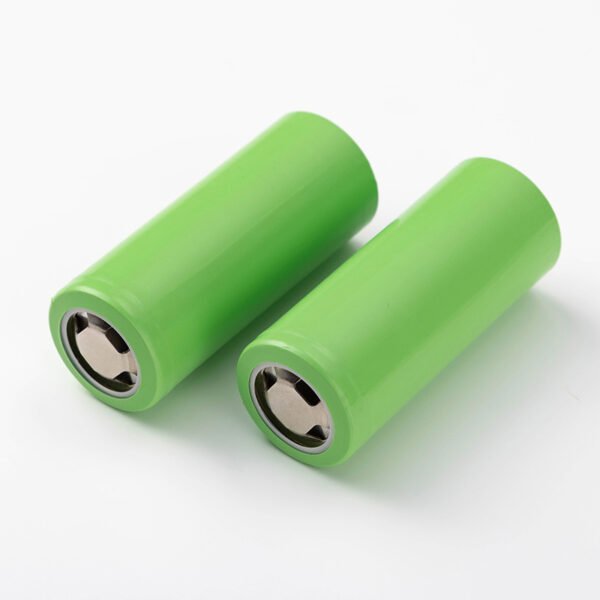
Lithium Sulfur Dioxide Battery for Military Night Vision Goggles
In the realm of modern defense technology, the reliability of power sources is as critical as the optical systems they support. Military Night Vision Goggles (NVGs) operate in some of the most demanding environments on Earth, from the freezing heights of mountainous regions to the humid heat of tropical zones. For engineers and technical procurement specialists, selecting the appropriate primary battery chemistry is a decision that directly impacts mission success. Among the various options available, the Lithium Sulfur Dioxide (Li-SO2) battery has emerged as the industry standard for high-performance military NVG applications. This article provides a technical analysis of why Li-SO2 chemistry remains the preferred choice for defense optics and what specifications procurement teams should prioritize.
The Chemistry Behind the Performance
At the core of the Li-SO2 battery is a robust electrochemical system designed for stability and energy density. Unlike commercial alkaline or standard lithium-ion cells, primary lithium metal batteries utilize a lithium anode and a liquid cathode of sulfur dioxide. This configuration yields a nominal voltage of 3.0V, which is significantly higher than the 1.5V of alkaline counterparts. For NVG systems, which often require stable voltage input to maintain image intensifier tube performance, this higher voltage plateau ensures consistent brightness and gain control throughout the discharge cycle.
The electrolyte system typically consists of a lithium salt dissolved in an organic solvent mixed with liquid SO2. This unique composition allows for high ionic conductivity even at low temperatures. One of the defining technical features of Li-SO2 cells is the formation of a passivation layer on the lithium anode. While this layer can cause a slight voltage delay upon initial high-current pulse, it is crucial for long-term storage stability. It prevents self-discharge, allowing these batteries to maintain over 90% of their capacity after 10 years of storage at ambient temperatures—a vital requirement for military stockpiles.
Operational Advantages in Extreme Conditions
Military operations are rarely conducted in climate-controlled environments. Technical specifications for NVG power sources must account for extreme thermal variances. Li-SO2 batteries excel in low-temperature performance, typically operating efficiently from -55°C to +70°C. In contrast, many other primary chemistries suffer from significant capacity loss or voltage depression below -20°C. For a soldier operating in arctic conditions, the internal resistance of a Li-SO2 cell remains low enough to deliver the necessary pulse current required for the NVG’s infrared illuminator or digital display components without premature cutoff.
Furthermore, the energy density of Li-SO2 technology is superior. Defense personnel carry heavy loads, and every gram counts. Li-SO2 cells offer a high watt-hour per kilogram ratio, allowing for extended mission durations without increasing the weight of the battery pack. Common military form factors, such as the BA-5567/U or similar equivalents, leverage this chemistry to provide over 30 hours of continuous operation in modern Generation 3+ night vision devices. This endurance reduces the logistical burden of battery resupply during extended field operations.
Safety and Reliability Standards
For technical buyers, safety compliance is non-negotiable. Li-SO2 batteries are classified as dangerous goods for transport due to the pressurized sulfur dioxide content. However, modern manufacturing techniques have significantly enhanced safety mechanisms. High-quality cells include pressure relief vents and robust steel casings to prevent rupture under mechanical stress or thermal abuse. When sourcing these batteries, it is essential to verify compliance with MIL-PRF standards and UN transportation regulations (UN3090).
Reliability also extends to the consistency of the voltage curve. NVGs are sensitive to voltage drops; a sudden decline can cause the device to shut down or degrade image quality. Li-SO2 batteries provide a flat discharge curve, ensuring that the voltage remains stable until the end of the battery’s useful life. This predictability allows engineers to design power management systems with greater accuracy, knowing exactly when the battery will reach its cutoff voltage.
Procurement Considerations for Defense Projects
When evaluating suppliers for military-grade Li-SO2 batteries, several factors must be assessed beyond basic capacity ratings. First, verify the manufacturer’s ability to produce cells with low self-discharge rates and consistent batch quality. Second, ensure the supply chain can handle the specific packaging requirements for hazardous materials. Finally, consider the customization options available for battery packs, including connector types and housing materials that meet military durability standards.
It is also important to distinguish between commercial-grade and military-specification cells. While they may share the same chemistry, military-grade cells undergo more rigorous testing for shock, vibration, and temperature cycling. Procurement teams should request technical data sheets that explicitly detail performance metrics under MIL-STD-810 conditions.
Conclusion
The Lithium Sulfur Dioxide battery remains the cornerstone of power solutions for Military Night Vision Goggles. Its combination of high energy density, wide temperature tolerance, and long shelf life makes it unmatched for defense applications. As technology evolves, the demand for reliable primary power sources will only increase. For engineers and procurement officers seeking verified, high-quality primary lithium batteries that meet rigorous international standards, partnering with a specialized manufacturer is key.
To explore our full range of military-grade primary battery solutions or to discuss specific technical requirements for your defense projects, please visit our product page. Our team of experts is ready to provide detailed specifications and support your logistical needs. For direct inquiries regarding customization, compliance documentation, or bulk procurement, please contact us today. Ensuring your equipment is powered by the best is not just a technical choice; it is a strategic necessity.
