
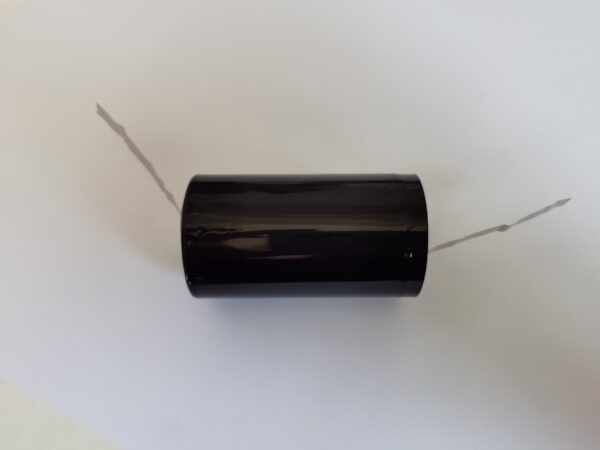
The Definitive Guide to Lithium Sulfur Dioxide (Li-SO2) Batteries: Aviation & Marine Grade Performance
In the high-stakes environments of aerospace, maritime navigation, and extreme industrial applications, standard lithium-ion batteries often fall short. When reliability under duress is non-negotiable, engineers turn to a specialized power source: the Lithium Sulfur Dioxide (Li-SO2) Battery.
Unlike the rechargeable cells found in consumer electronics, Li-SO2 technology represents the pinnacle of primary (non-rechargeable) battery chemistry. This article serves as a comprehensive technical dossier for engineers and procurement specialists, dissecting the unique properties of these Aviation & Marine Grade powerhouses, analyzing their performance metrics, and exploring their critical role in meeting global safety standards.
1. The Core Chemistry: Why Lithium Sulfur Dioxide?
At the heart of every high-performance primary battery lies a specific electrochemical reaction. The Li-SO2 system utilizes Lithium (Li) as the anode and Sulfur Dioxide (SO2) as the cathode active material, typically dissolved in an organic solvent like acetonitrile or thionyl chloride derivatives.
Key Technical Advantages:
- High Specific Energy: These cells boast one of the highest energy densities among primary batteries, often exceeding 500 Wh/kg. This makes them ideal for weight-sensitive applications like avionics.
- Wide Thermal Tolerance: The robust chemistry operates effectively in extreme temperatures, ranging from -55°C to +70°C (and sometimes higher for short durations). This resilience is why they are favored in Arctic marine beacons or high-altitude flight systems.
- Low Self-Discharge: With an annual self-discharge rate of less than 1%, these batteries can sit dormant on a shelf or in a backup system for up to 10-15 years while retaining nearly full capacity.
2. Performance Parameters: Engineering Specifications
For a factory to produce “Aviation & Marine Grade” batteries, they must adhere to strict tolerances. Below is a standard specification table for a typical high-rate Li-SO2 cell.
| Parameter | Standard Value | Critical Note |
|---|---|---|
| Nominal Voltage | 2.9 V – 3.0 V | Higher than standard alkaline (1.5V) or Lithium Thionyl Chloride (3.6V). |
| Operating Temp | -55°C to +70°C | Performance degrades significantly above 70°C; internal pressure rises. |
| Max Continuous Drain | 1A – 5A (Varies by size) | Suited for high-drain pulsed applications (e.g., ELTs). |
| Pulse Capability | Up to 10A+ | Essential for emergency transmitter bursts. |
| Common Sizes | D-Cell, C-Cell, 4/3A | Standardized for easy integration into legacy and modern systems. |
Voltage Depression: A unique characteristic of Li-SO2 cells is “voltage delay.” Upon initial load application, the voltage may drop slightly below nominal for a short period (seconds to minutes) as the passivation layer on the lithium anode breaks down. Proper circuit design must account for this lag to avoid false “low battery” readings.
3. Rigorous Testing Methodologies
To ensure a battery meets “Aviation & Marine Grade” standards, it must undergo a battery of tests far exceeding standard IEC protocols. Factories must simulate the harshest conditions to guarantee zero failure in the field.
3.1. Environmental Stress Screening (ESS)
- Thermal Cycling: Cells are cycled between -40°C and +85°C for 100+ cycles to detect micro-leaks or seal failures.
- Humidity & Salt Fog: Critical for marine applications. Batteries are exposed to 95% RH and salt spray (ASTM B117) for 500+ hours to verify corrosion resistance of the can and terminals.
3.2. Safety & Abuse Testing
- Crush & Nail Penetration: Simulating a crash scenario, a nail is driven through the cell. A compliant Li-SO2 cell should vent safely without explosion or fire.
- Low Pressure (Altitude Simulation): For aviation, cells are tested at pressures simulating 15,000 meters altitude to ensure the seals do not rupture due to internal gas expansion.
3.3. Vibration & Shock
- Random Vibration: Subjected to 20G RMS vibration profiles mimicking jet engine turbulence or rough sea conditions to ensure internal components do not short.
4. CNS Battery: Technical Barriers and Regional Adaptation
When sourcing these specialized cells, the geographical location of the manufacturing facility plays a pivotal role in compliance. CNS Battery, headquartered in Zhengzhou, China, has established a significant technical barrier by aligning its production capabilities with the stringent regulatory landscapes of the EU and the USA.
4.1. Overcoming the “Technical Wall”
Manufacturing primary lithium batteries is not just about chemistry; it is about precision engineering. CNS Battery has invested in advanced dry-room technology and automated assembly lines to minimize moisture ingress—a critical factor as water reacts violently with Lithium Sulfur Dioxide, leading to cell rupture.
4.2. Regional Compliance: EU & US Standards
To serve the global market, a factory must adapt its output to meet local regulations. CNS Battery has successfully navigated this by ensuring their production lines are certified to meet the specific requirements of both the European Union and the United States.
- EU Compliance: Adherence to the RoHS (Restriction of Hazardous Substances) directive is mandatory. While primary lithium batteries often contain specific formulations, CNS ensures that their production processes and ancillary materials (seals, casings) are fully compliant. Furthermore, they meet the stringent transport safety standards required under ADR/RID/IMDG for the movement of Dangerous Goods within the EU.
- US Compliance: For the American market, CNS Battery ensures compatibility with UN/DOT 38.3 testing standards. This is the universal benchmark for the safe transport of lithium cells by air, sea, or land. Their technical documentation and safety data sheets (SDS) are formatted to meet OSHA and FAA requirements, ensuring seamless customs clearance and integration into US supply chains.
This dual-region adaptability means that engineers in Stuttgart, Detroit, or Shanghai can rely on the same standardized, high-quality power source without worrying about regulatory roadblocks.
5. Conclusion: The Future of Primary Power
Lithium Sulfur Dioxide batteries remain irreplaceable in critical infrastructure. While the world shifts towards rechargeable solutions, the need for maintenance-free, long-shelf-life, high-energy-density primary cells in safety-critical systems is growing.
For technical procurement managers and design engineers, selecting a partner like CNS Battery means selecting a partner that understands the physics of extreme environments and the bureaucracy of international trade. Their ability to bridge the gap between high-volume manufacturing in Asia and the strict quality gates of Western regulators makes them a strategic asset in the global supply chain.
If you are looking for a reliable source of Aviation & Marine Grade primary batteries that meet global standards, exploring the technical capabilities of a specialized manufacturer is the first step towards securing your application’s power future.
Explore the technical portfolio of high-performance primary batteries at CNS Battery’s Product Center. For specific engineering inquiries or to discuss regional compliance requirements, contact the technical team directly via the Contact Us page.
