
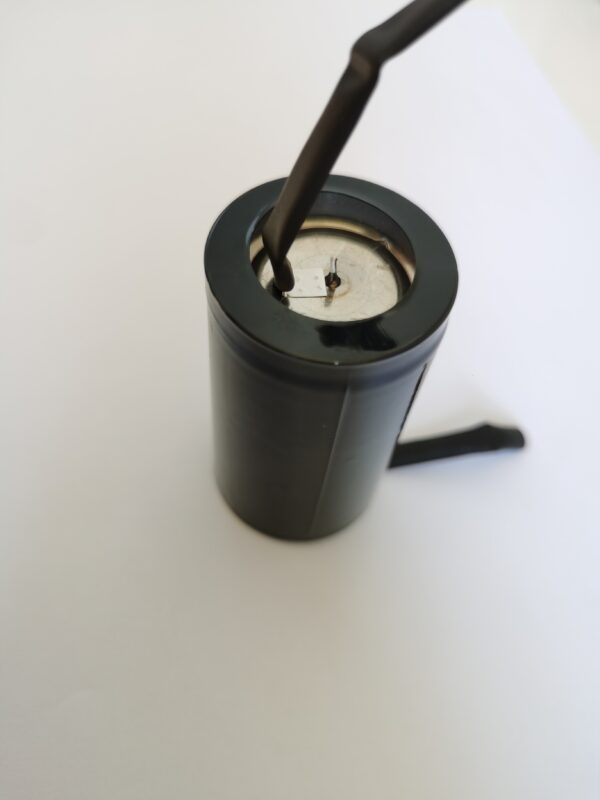
Lithium Sulfur Dioxide Battery | Aircraft Emergency Li-SO₂ Battery
In the critical domain of aviation safety and emergency power systems, the Lithium Sulfur Dioxide (Li-SO₂) battery stands as an indispensable primary power source for aircraft emergency equipment. As a professional lithium metal battery manufacturer serving the global aerospace, defense, and industrial sectors, we understand that emergency locator transmitters (ELT), emergency lighting systems, and backup avionics demand batteries with exceptional reliability, wide temperature tolerance, and long shelf life. This article provides a comprehensive technical overview of Li-SO₂ battery technology, its applications in aviation emergency systems, and compliance considerations for international B2B buyers across North America, Europe, the Middle East, and Asia-Pacific regions.
Core Technology of Li-SO₂ Batteries
The Lithium Sulfur Dioxide battery is a non-rechargeable primary lithium metal battery featuring a unique electrochemical system. The anode consists of lithium metal, while the cathode utilizes sulfur dioxide (SO₂) in liquid form under pressure. The electrolyte typically comprises lithium bromide (LiBr) dissolved in a solvent mixture of propylene carbonate and acetonitrile.
Key Electrochemical Reaction:
2Li + 2SO₂ → Li₂S₂O₄ (Lithium Dithionite)
This reaction delivers a nominal voltage of 3.0V with an open-circuit voltage reaching approximately 3.0-3.1V. The Li-SO₂ chemistry is specifically engineered for high-power pulse applications, making it ideal for emergency beacon transmitters that require instant activation with substantial current bursts.
Critical Performance Specifications
1. Extreme Temperature Operation
Li-SO₂ batteries excel in harsh environmental conditions, operating reliably across a temperature range of -60°C to +70°C. This wide operational window is crucial for aircraft emergency systems that must function at high altitudes, in polar regions, or in desert climates. Unlike many lithium-ion alternatives, Li-SO₂ cells maintain stable voltage output even at extreme low temperatures, ensuring emergency equipment activation when needed most.
2. High Power Density & Pulse Capability
Aircraft emergency beacons require instantaneous high-current pulses for signal transmission. Li-SO₂ batteries deliver superior power density compared to other primary lithium chemistries like Li-SOCl₂. The spiral-wound construction commonly used in Li-SO₂ cells enables low internal resistance, supporting continuous discharge currents up to 0.5A-0.75A depending on cell size, with peak pulse capabilities significantly higher.
3. Extended Shelf Life
With proper storage conditions, Li-SO₂ batteries maintain over 10 years of shelf life with minimal self-discharge (typically less than 2% per year at ambient temperature). This characteristic is essential for aviation emergency equipment that may remain installed for extended periods before activation, reducing maintenance costs and ensuring reliability throughout the equipment’s service life.
Aviation Emergency Applications
Emergency Locator Transmitters (ELT)
ELT systems are mandatory safety equipment on commercial and general aviation aircraft worldwide. These devices transmit distress signals on 406 MHz and 121.5 MHz frequencies to search-and-rescue satellites and aircraft. Li-SO₂ batteries provide the necessary power reserve to operate ELT systems for minimum 48 hours following activation, meeting FAA, EASA, and ICAO regulatory requirements.
Emergency Lighting & Backup Systems
Aircraft emergency exit lighting, cockpit backup instruments, and emergency communication systems rely on Li-SO₂ batteries for fail-safe operation during power loss scenarios. The battery’s ability to function immediately after prolonged storage makes it the preferred choice for safety-critical applications where rechargeable alternatives cannot guarantee readiness.
Military & Defense Applications
Beyond commercial aviation, Li-SO₂ batteries serve in military aircraft, unmanned aerial vehicles (UAVs), portable communication devices, and navigation equipment across defense sectors in the United States, NATO countries, and Asia-Pacific regions. The chemistry’s resistance to shock, vibration, and temperature extremes aligns with MIL-SPEC requirements.
Regulatory Compliance & Transportation
UN38.3 Testing Requirements
All Li-SO₂ batteries intended for air transport must pass UN38.3 safety testing, including altitude simulation, thermal cycling, vibration, shock, external short circuit, impact, overcharge, and forced discharge tests. Manufacturers must provide test summaries and certificates for customs clearance and airline acceptance globally.
IATA DGR 2026 Updates
The International Air Transport Association’s Dangerous Goods Regulations (DGR) 67th Edition, effective January 1, 2026, introduces stricter requirements for lithium battery shipments. While Li-SO₂ batteries are classified as UN1050 (Batteries, dry, containing potassium hydroxide) or specific lithium battery UN numbers depending on configuration, shippers must ensure proper packaging, labeling, and documentation compliance. For B2B buyers importing from China, Europe, or North America, working with certified suppliers who provide complete transportation documentation is essential.
Regional Certification Requirements
- North America: UL, FAA TSO certification for aviation applications
- European Union: CE marking, EU Battery Regulation compliance (2026 implementation phase)
- Asia-Pacific: Compliance with local aviation authority requirements (CAAC, JCAB, etc.)
- Middle East: GSO standards and country-specific import certifications
Selecting the Right Li-SO₂ Battery Supplier
When sourcing Li-SO₂ batteries for aircraft emergency applications, B2B buyers should evaluate suppliers based on:
- Manufacturing Certifications: ISO 9001, AS9100 for aerospace quality management
- Technical Documentation: Complete specification sheets, safety data sheets (SDS), UN38.3 test reports
- Customization Capability: Ability to produce battery packs with specific connectors, housings, and capacity requirements
- Supply Chain Reliability: Consistent production capacity and on-time delivery track record
- After-Sales Support: Technical assistance, warranty terms, and replacement policies
For detailed product specifications and technical consultation on Li-SO₂ battery solutions for your aviation emergency applications, visit our primary battery product page. Our engineering team supports customers across the Americas, Europe, Middle East, and Asia with customized power solutions meeting international aviation standards.
Conclusion
The Lithium Sulfur Dioxide battery remains the gold standard for aircraft emergency power systems, combining reliable performance, extreme temperature tolerance, and long-term storage stability. As aviation safety regulations evolve and global supply chains become more complex, partnering with an experienced lithium metal battery manufacturer ensures compliance, reliability, and operational continuity. Whether you’re an aircraft manufacturer, MRO provider, defense contractor, or emergency equipment distributor, understanding Li-SO₂ battery technology and regulatory requirements is essential for making informed procurement decisions in 2026 and beyond.
For further inquiries about Li-SO₂ battery specifications, customization options, or compliance documentation, please contact our primary battery team for professional technical support tailored to your regional and application requirements.
