
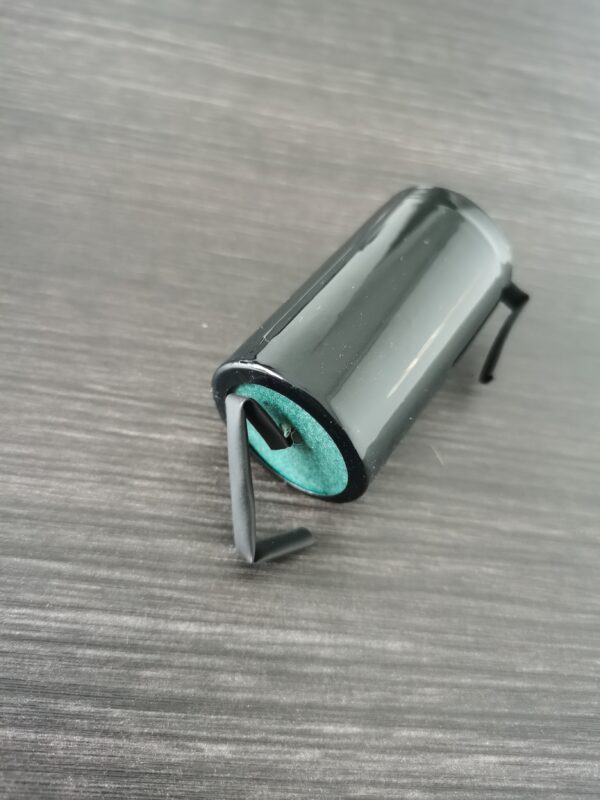
Lithium Sulfur Battery for UAV Long Endurance Missions
The demand for extended-flight unmanned aerial vehicles (UAVs) has intensified across defense, surveillance, and commercial sectors in 2026. Lithium sulfur (Li-S) battery technology emerges as a transformative solution for long-endurance missions, offering energy densities that significantly exceed conventional lithium-ion systems. This technical analysis examines the core advantages, testing protocols, and regulatory compliance frameworks essential for engineers and procurement specialists evaluating primary lithium battery systems for UAV deployments.
Technical Foundation: Why Lithium Sulfur for UAV Applications
Lithium sulfur batteries operate on a fundamentally different electrochemical mechanism compared to traditional lithium-ion cells. The cathode utilizes elemental sulfur with a theoretical specific capacity reaching 1,675 mAh/g, while the anode employs metallic lithium. This chemistry delivers gravimetric energy densities between 400-600 Wh/kg at the cell level—approximately 2-3 times higher than standard Li-ion counterparts.
For UAV operators, this translates directly into extended mission duration without proportional weight penalties. A typical medium-altitude long-endurance (MALE) UAV equipped with Li-S primary batteries can achieve 40-60% longer flight times compared to equivalent Li-ion configurations, critical for border patrol, infrastructure inspection, and telecommunications relay operations.
Key Performance Parameters for Mission-Critical Operations
Energy Density Advantage: Li-S primary cells deliver 500+ Wh/kg operational energy density, enabling payload-flexible mission profiles where every gram matters.
Operating Temperature Range: Advanced Li-S formulations maintain performance from -40°C to +70°C, essential for high-altitude and arctic deployment scenarios common in North American and European theater operations.
Shelf Life & Self-Discharge: Primary lithium sulfur systems exhibit less than 1% annual self-discharge at 20°C, supporting strategic stockpiling requirements for defense contractors and emergency response organizations.
Voltage Stability: Nominal 2.1V per cell with flat discharge curves ensures consistent power delivery to avionics and communication systems throughout mission duration.
Testing Methodologies & Validation Protocols
Comprehensive battery validation for UAV applications requires multi-layered testing aligned with international standards:
UN 38.3 Transportation Testing: All lithium primary batteries must pass the eight-test sequence covering altitude simulation, thermal cycling, vibration, shock, external short circuit, impact, overcharge, and forced discharge. This certification is mandatory for air freight under IATA Dangerous Goods Regulations (DGR) 67th Edition, effective January 2026.
IEC 60086-4 Safety Standards: European procurement specifications typically require IEC 60086-4 compliance for primary lithium cells, addressing leakage, rupture, and thermal runaway prevention.
MIL-STD-810H Environmental Testing: U.S. defense contracts frequently mandate MIL-STD-810H validation for temperature, humidity, altitude, and mechanical shock resistance—critical for military UAV programs operating across diverse geographic theaters.
Cycle Life & Capacity Retention: While primary batteries are single-use, capacity retention testing under various storage conditions ensures predictable performance throughout the product lifecycle.
2026 Regulatory Landscape: EU & US Compliance Requirements
The regulatory environment for lithium battery air transport has tightened significantly in 2026. IATA DGR 67th Edition introduces mandatory state-of-charge (SoC) limitations not exceeding 30% for batteries exceeding 100Wh during air shipment. For lithium metal primary batteries classified under UN 3557 (Vehicle, lithium metal battery powered), additional documentation and packaging specifications apply.
European Union Compliance: UAV battery systems deployed within EU airspace must satisfy EASA (European Union Aviation Safety Agency) certification requirements alongside CE marking directives. REACH regulation compliance ensures chemical substance restrictions are met for all battery components imported into European markets.
United States Standards: FAA Part 107 commercial UAV operators require battery systems meeting UL 1642 and UL 2054 safety certifications. Department of Defense procurements additionally require ISO 9001:2015 quality management system certification from battery manufacturers.
Regional Adaptation Strategy: Manufacturers serving global UAV markets must maintain parallel compliance pathways—UN 38.3 for international transport, IEC standards for European procurement, and UL/ANSI certifications for North American deployments. This multi-jurisdictional approach minimizes supply chain friction and accelerates time-to-market for defense and commercial customers.
CNS Primary Battery Solutions: Technical Barriers & Geographic Compatibility
CNS Battery has engineered primary lithium battery systems specifically addressing the compliance complexity facing international UAV manufacturers. Our Li-S primary cell platforms integrate UN 38.3 certification, IEC 60086-4 compliance, and UL safety validation within unified product architectures—eliminating the need for region-specific SKU proliferation.
For procurement teams evaluating long-endurance UAV power systems, CNS Battery’s technical support team provides certification documentation packages aligned with EU, US, and APAC regulatory frameworks. Our manufacturing facilities maintain ISO 9001:2015 and ISO 14001:2015 certifications, ensuring quality and environmental compliance across global supply chains.
Engineers and technical buyers seeking detailed specifications, compliance documentation, or custom configuration support for UAV long-endurance missions can access our primary battery product portfolio at https://cnsbattery.com/primary-battery/. For direct technical consultation regarding certification requirements, regional compliance pathways, or volume procurement arrangements, contact our engineering team at https://cnsbattery.com/primary-battery-contact-us/.
The convergence of lithium sulfur chemistry maturity, regulatory clarity, and mission-driven performance requirements positions 2026 as a pivotal year for Li-S battery adoption in UAV applications. Technical decision-makers who prioritize certified, compliant, and performance-validated power systems will secure competitive advantages in extended-endurance mission capabilities across defense, commercial, and public safety operational domains.
